Recipes for weight loss with satisfying portions work best when vegetables, lean protein, fiber-rich carbohydrates, and measured fats are combined into meals with substantial food volume. A practical plate might include two cups of non-starchy vegetables, a palm-sized protein serving, and a moderate portion of beans, potatoes, or whole grains. Broth-based soups, grain bowls, sheet-pan dinners, and protein-rich breakfasts make this structure easy to repeat. Portions can still exceed calorie needs when oils, dressings, cheese, or sauces are poured freely, so measure concentrated ingredients while keeping vegetables generous.
What Makes a Weight-Loss Portion Satisfying?
A satisfying portion combines physical volume with enough protein, fiber, flavor, and eating time to feel like a complete meal. Vegetables, fruit, beans, potatoes, intact whole grains, eggs, fish, poultry, tofu, and plain dairy can provide that combination without requiring an unusually small plate. The useful question is not simply whether a recipe is low in calories, but whether it offers enough food and nutritional substance to carry someone comfortably to the next planned meal.
Water-rich foods create volume because water contributes weight and space without adding calories. A bowl containing cabbage, carrots, mushrooms, chicken, and broth therefore looks and eats differently from a small sandwich with a similar energy content. Fiber-rich ingredients require more chewing and generally digest more slowly than refined snack foods. Protein also tends to make a meal more sustaining, although individual appetite responses differ. Combining these features usually works better than depending on a single supposedly filling ingredient.
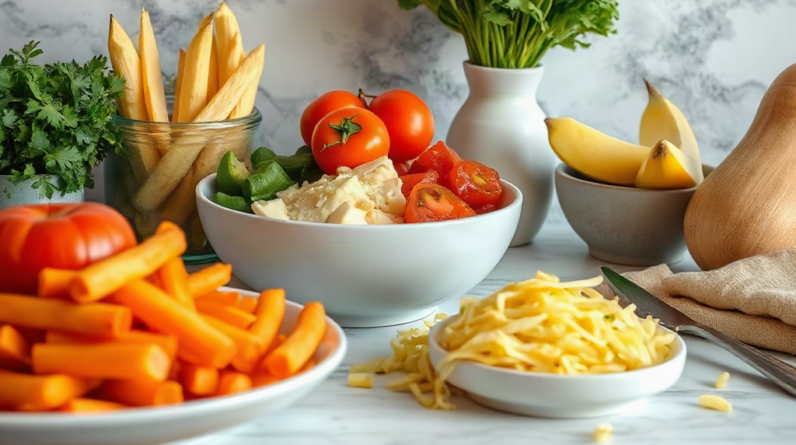
A practical starting structure is half a plate of non-starchy vegetables, roughly one-quarter protein, and one-quarter fiber-rich carbohydrate. That is a flexible visual method rather than a mandatory prescription. Someone with greater energy needs may add more rice, beans, bread, or potatoes. Someone who is less hungry may use a smaller plate while retaining the same proportions. A modest amount of fat from olive oil, avocado, nuts, seeds, or cheese can improve flavor, but these ingredients deserve deliberate portions because their calories accumulate quickly.
| Recipe component | Practical starting amount | Examples |
|---|---|---|
| Non-starchy vegetables | About 2 cups | Broccoli, peppers, zucchini, cabbage |
| Protein | About 3–5 ounces cooked | Chicken, fish, tofu, lean beef |
| Fiber-rich carbohydrate | About 1/2–1 cup cooked | Beans, barley, brown rice, potatoes |
| Concentrated fat or sauce | About 1–2 tablespoons | Oil, tahini, pesto, dressing |
These amounts are assembly references, not personalized nutrition targets. Age, body size, activity, medications, pregnancy, medical conditions, and weight goals can change what is appropriate. A common failure is making a huge vegetable plate with almost no protein or carbohydrate; the meal looks generous but hunger returns quickly. The better test is whether the portion feels comfortable after eating, supports steady energy, and reduces unplanned grazing rather than merely appearing large.
Four Filling Recipe Formulas for the Day
Repeatable formulas make portion-aware cooking easier than collecting recipes that require unrelated ingredients. Each formula below uses common foods and allows substitutions, which matters when produce prices, schedules, and household preferences change. Seasonings are intentionally flexible, while oils and rich toppings remain measured.
Vegetable Egg and Potato Breakfast Skillet
Dice one small potato and cook it in a covered skillet with a splash of water until nearly tender. Add one teaspoon of oil, one cup of chopped peppers and onions, and a handful of spinach. Season with smoked paprika, black pepper, and garlic. Stir in two beaten eggs, or use one egg plus additional egg whites if that better fits your preferences. Finish with salsa.
The potato supplies more plate volume than a small pastry, while eggs contribute protein. Cooking the vegetables before adding the eggs prevents a watery scramble. If breakfast hunger is high, add fruit or plain yogurt rather than pouring extra oil into the skillet. People who need more energy can increase the potato or serve the skillet with whole-grain toast.
Lentil Tomato Soup With Chicken or Tofu
Simmer chopped carrots, celery, onion, canned tomatoes, low-sodium broth, and rinsed lentils until the lentils are tender. Add cooked shredded chicken or cubed firm tofu near the end, then season with cumin, oregano, lemon juice, and pepper. Make the bowl substantial by using plenty of vegetables and enough protein, not by relying solely on broth.
Soup is useful for batch cooking, but creamy additions can change its energy density quickly. Blend a portion of the lentils and vegetables to create body instead of using large amounts of cream. Serve it with a measured slice of bread if soup alone does not hold you through the afternoon.
Crunchy Grain and Bean Bowl
Layer two cups of chopped lettuce, cabbage, cucumber, tomatoes, and grated carrots with half a cup each of cooked grain and beans. Add herbs, pickled onions, and a sauce made from plain yogurt, lemon, garlic, and a small spoonful of tahini. Chicken, tuna, tofu, or extra beans can raise the protein content when needed.
This bowl succeeds when every bite has seasoning and texture. A dry pile of vegetables often leads people to add a heavy dressing after serving. Toss the vegetables with lemon juice, herbs, and spices first, then use a smaller amount of creamy sauce as a finishing element.
Sheet-Pan Fish, Broccoli, and Potatoes
Roast halved baby potatoes first because they take longer than the other ingredients. Add broccoli and a fish fillet later, coating the entire pan with a measured amount of oil, mustard, lemon, and herbs. Chicken breast, shrimp, tempeh, or chickpeas can replace fish, but cooking time must be adjusted.
Dividing the finished pan before eating prevents the easiest pieces—usually the crisp potatoes—from quietly becoming most of the meal. Begin with a generous broccoli portion, add protein, and complete the plate with potatoes. The same method works with frozen broccoli when fresh produce is expensive or likely to spoil.
How Do You Control Calories Without Shrinking the Plate?
Keep the high-volume base generous and measure the ingredients that carry many calories in a small amount. Oils, mayonnaise, nut butter, cheese, coconut milk, nuts, and creamy dressings can all fit, but pouring them directly from the container makes the final amount difficult to judge. A tablespoon or measuring spoon is especially useful while learning what a preferred portion looks like.
Flavor does not have to disappear when rich ingredients are reduced. Acid from lemon, lime, or vinegar brightens soups and bowls. Fresh herbs, toasted spices, mustard, salsa, garlic, ginger, capers, and pickled vegetables create contrast with little need for extra oil. Broth, tomato, blended beans, or plain yogurt can extend a sauce so it coats a larger portion. The goal is not to make food austere; it is to spend calorie-dense ingredients where they are noticeable.
Good Health Solution is Easier Than Most People Think! Take a Look for Yourself!
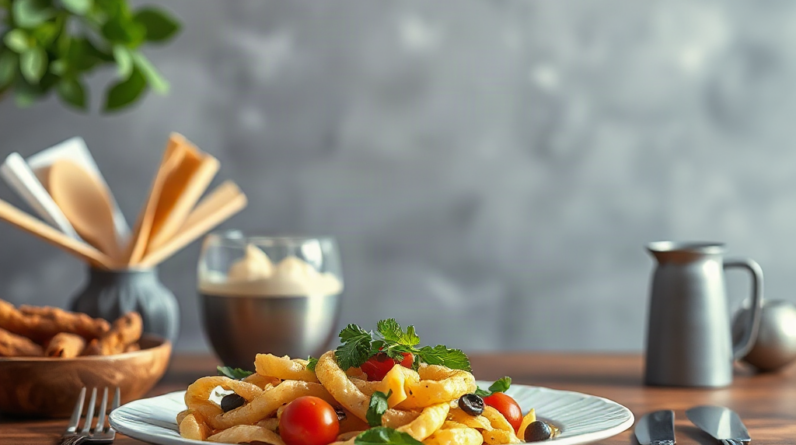
Consider two pasta dinners. One uses a large quantity of pasta with oil and grated cheese, plus a few vegetables. The alternative uses a moderate pasta portion mixed with zucchini, mushrooms, spinach, tomatoes, and lean ground turkey or lentils. Both can occupy a full bowl, but the second spreads the sauce and seasoning across more vegetables and adds a clear protein source. Replacing all pasta with vegetables is not required and may leave some people dissatisfied. Keeping a recognizable pasta portion often makes the change easier to sustain.
Liquid calories deserve similar attention because they add energy without increasing the meal on the plate. Sweetened coffee, juice, alcohol, and regular soft drinks can turn an otherwise appropriate recipe into a much larger intake. Water, sparkling water, or unsweetened tea leaves more room for food. This is a choice rather than a rule; a person can include a caloric drink by accounting for it instead of treating it as invisible.
Watch for another common mistake: using labels such as “natural,” “keto,” “vegan,” or “high protein” as a substitute for assessing portions. A recipe can carry any of those labels and still contain substantial amounts of oil, cheese, nuts, or sweeteners. Review the whole ingredient list, divide the finished dish into realistic servings, and notice what remains satisfying. If a meal repeatedly leaves you hungry, add protein, vegetables, beans, or an appropriate carbohydrate before assuming the answer is simply more discipline.
How Should You Prepare and Adjust These Recipes?
Prepare components separately when household members have different appetites or goals. A pot of grain, a tray of roasted vegetables, cooked protein, washed greens, and one flavorful sauce can become bowls, wraps, soups, or plated dinners. Separate storage keeps vegetables from becoming soggy and lets each person adjust the carbohydrate, protein, and sauce portions without cooking multiple meals.
Choose two proteins, two vegetable preparations, and one or two carbohydrates for several days rather than making seven complete recipes. For example, roast chicken and chickpeas, prepare cabbage slaw and frozen mixed vegetables, and cook brown rice. Those components can become a warm rice bowl one day and a slaw-topped chicken plate the next. Frozen vegetables, canned beans, canned fish, eggs, and store-brand whole grains can lower cost and reduce spoilage without making the meal less useful.
Use a short check before packing or serving a meal:
- Volume: Is there a substantial portion of vegetables, fruit, or broth-based food?
- Protein: Is there a visible protein source rather than a token garnish?
- Staying power: Does the meal contain beans, whole grains, potatoes, or another suitable carbohydrate?
- Concentrated extras: Were oil, cheese, nuts, and dressing added deliberately?
- Enjoyment: Does the recipe have enough seasoning, texture, and familiar food to feel complete?
Adjustment should be based on patterns, not one unusually hungry day. Signs that portions may be too small include persistent hunger soon after meals, low energy, preoccupation with food, and frequent evening overeating. A practical first change is adding a little more protein or fiber-rich carbohydrate, not merely another mound of raw vegetables. If weight is not changing in the intended direction over time, inspect cooking fats, sauces, beverages, snacks, and serving frequency before cutting the main meal drastically.
Weight change is affected by total intake over time, and no individual recipe guarantees it. People managing diabetes, kidney disease, digestive disorders, food allergies, eating-disorder symptoms, pregnancy, or medications that affect appetite or weight may need individualized advice from a qualified clinician or registered dietitian. Recipe flexibility remains useful, but medical restrictions should take priority over generalized portion templates.
The approach is working when meals are enjoyable, hunger is manageable, preparation fits the week, and portions do not require constant mental negotiation. It is failing when food feels punitive, ingredients regularly go to waste, or hunger leads to repeated compensatory eating. Simplify the menu, keep convenient staples available, and change only one portion variable at a time so the effect is easier to evaluate.
Frequently Asked Questions
Can a large portion still support weight loss?
Yes. A large portion can fit when much of its volume comes from vegetables, broth, fruit, lean protein, or other relatively low-energy-density foods. Oils, sauces, cheese, nuts, and refined snacks still need deliberate portions.
Which protein works best in filling recipes?
No single protein is required. Eggs, fish, chicken, lean meat, Greek-style yogurt, tofu, tempeh, lentils, and beans can all work; choose according to dietary needs, budget, flavor, and convenience.
Do carbohydrates need to be removed for weight loss?
No. Measured portions of potatoes, beans, whole grains, fruit, and pasta can contribute energy, fiber, and satisfaction. Total meal composition and overall intake matter more than removing an entire nutrient category.
How can I make a low-calorie meal more filling?
Add a clear protein source and a fiber-rich carbohydrate before simply increasing raw vegetables. A small amount of fat or sauce may also improve satisfaction, but measure concentrated additions.
Should every person use the same recipe serving size?
No. Appetite and energy needs vary with body size, activity, age, health, and goals. Treat the stated serving as a starting point, then adjust components based on hunger and longer-term results.
Conclusion
Build satisfying portions around a generous vegetable base, a recognizable protein serving, and enough beans, whole grains, potatoes, or another carbohydrate to make the meal last. Measure oils, rich sauces, cheese, and nuts rather than shrinking every component indiscriminately. Breakfast skillets, lentil soups, grain bowls, and sheet-pan dinners are especially useful because their proportions can be changed without learning a new cooking method.
Choose one formula that suits your schedule and prepare it several times with different seasonings or proteins. Track practical signals—hunger between meals, energy, food waste, unplanned snacking, and longer-term progress—then adjust one component at a time. Recipes should make an appropriate eating pattern easier to repeat, not promise a guaranteed result or force the same serving size on everyone.
 Good Health Solution is Easier Than Most People Think! Take a Look for Yourself!