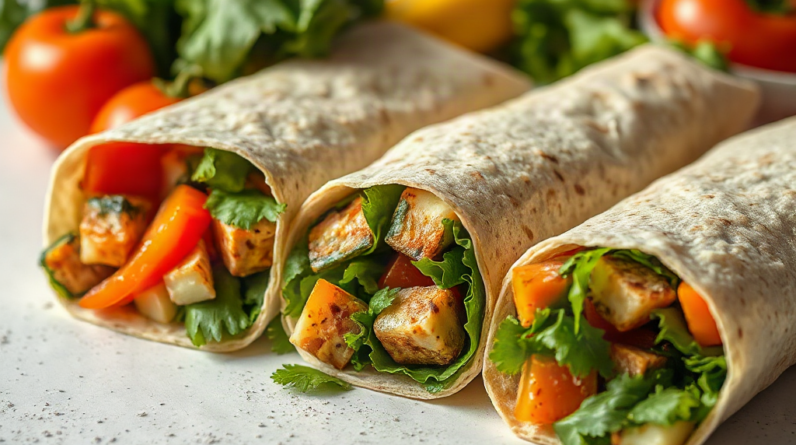
Healthy late-night food for occasional hunger should be modest in portion, easy to digest, and built around protein, fiber, or both. Useful choices include plain yogurt with berries, oatmeal with milk, whole-grain toast with egg, fruit with nut butter, or vegetables with hummus. These combinations tend to satisfy more reliably than sweets or chips because they pair slower-digesting nutrients with enough volume to address genuine hunger. Keep rich, spicy, highly caffeinated, and heavily salted options limited, especially near bedtime.
What Makes a Late-Night Snack Satisfying?
A useful bedtime snack resolves hunger without functioning as an unplanned second dinner. The most practical options combine a source of protein with fiber-rich carbohydrate, water-rich produce, or a small amount of unsaturated fat. That combination generally takes longer to eat and digest than candy, sweetened drinks, or refined crackers alone, making a modest serving more likely to feel complete.
Protein may come from yogurt, milk, eggs, cottage cheese, beans, or nut butter. Fiber is available in fruit, vegetables, oats, whole-grain bread, and beans. Neither nutrient needs to appear in an unusually large amount. A small bowl of oatmeal made with milk, for example, combines carbohydrate, fiber, fluid, and protein in one simple option. An apple alone may be enough for mild hunger, while an apple with a spoonful of peanut butter may suit someone who ate an early or light dinner.
Digestive comfort matters as much as nutrient composition. A large serving of fried food, a rich dessert, or a heavily spiced meal can feel uncomfortable when someone lies down soon afterward. Chocolate, coffee drinks, energy drinks, and some teas can also supply caffeine at a time when sleep is the priority. Individual responses vary, so a food that works well for one person may not suit someone who experiences reflux, lactose intolerance, or sensitivity to high-fat meals.
The common mistake is treating every late-night urge to eat as physical hunger. Appetite can also be prompted by habit, boredom, alcohol, cannabis, stress, or seeing food while watching television. A practical check is to consider whether a plain but appealing option—such as yogurt, toast, or fruit—sounds satisfying. If only a specific dessert or salty snack feels acceptable, the urge may be more about craving than an unmet need for food.
Genuine hunger often develops gradually and improves after a balanced portion. A craving may appear suddenly, remain focused on one taste, or continue after fullness. This distinction does not make a desired food forbidden; it simply changes the decision. Someone who wants dessert can serve a deliberate portion rather than eating directly from a package and losing track of quantity.
Seven Practical Late-Night Food Picks
The best choice depends on hunger level, dietary needs, preparation time, and what feels comfortable before sleep. A snack does not need a special label or premium ingredients. Familiar foods are often easier to portion and less likely to turn into an elaborate late meal.
- Plain yogurt with berries: Yogurt supplies protein, while berries add fiber, water, and sweetness. Choose an unsweetened or lightly sweetened variety when you want more control over added sugar. A lactose-free dairy yogurt or fortified soy alternative may be more suitable when lactose causes symptoms.
- Oatmeal made with milk: A small bowl is warm, soft, and easy to customize. Cinnamon, sliced banana, or a few nuts can add flavor without turning it into a dessert-sized serving. Instant oats are practical, but packets with substantial added sweetener may be less filling than plain oats with fruit.
- Whole-grain toast with egg: This works well when hunger is stronger than a piece of fruit can address. One slice of toast and an egg provides a defined portion with protein and carbohydrate. Heavy sauces or multiple buttered slices can make it closer to a meal.
- Apple or pear with nut butter: Crisp fruit provides volume and fiber, while nut butter adds fat and some protein. Measure the nut butter rather than eating from the jar because its compact serving size is easy to underestimate.
- Vegetables with hummus: Carrots, cucumber, snap peas, or bell pepper offer crunch, and hummus makes the snack more substantial. This is a useful alternative when the desired experience is savory rather than sweet.
- Cottage cheese with fruit: Cottage cheese is protein-rich and pairs easily with peaches, pineapple, or berries. Sodium varies among products, so reading the label may matter for people who have been advised to limit sodium.
- Banana with a small handful of nuts: This requires no cooking and travels well. The banana offers carbohydrate and the nuts add texture and staying power. Pre-portioning nuts prevents an occasional snack from becoming several servings.
Choose the simplest option that matches the intensity of hunger. Mild hunger may call for fruit or a small yogurt; stronger hunger after an unusually early dinner may justify toast with egg or oatmeal with milk. Combining several choices—such as oatmeal, toast, yogurt, nuts, and fruit—defeats the purpose of keeping the snack modest.
A snack is working when hunger settles, the portion feels sufficient, and eating does not interfere with comfort or sleep. It is failing when it repeatedly becomes a large meal, triggers digestive symptoms, or leaves someone searching for more food immediately afterward. In that case, adjust the composition first by adding protein or fiber rather than simply increasing snack foods.
How Much Should You Eat Before Bed?
Portion size should reflect the gap being filled rather than a universal calorie target. Occasional mild hunger usually calls for one planned snack portion, while pronounced hunger may indicate that dinner was too small, too early, or missing a satisfying component. Exact energy needs differ with body size, activity, pregnancy, health conditions, and daily eating patterns, so a single numerical rule would create false precision.
Start by serving food in a bowl or on a plate and putting the package away. Useful visual portions include one piece of fruit with a modest spoonful of nut butter, one slice of toast with one egg, or a small bowl of yogurt with berries. Eat seated and without continuously refilling the serving. Give the food enough attention to notice whether the physical sensation of hunger is easing.
| Situation | Practical Choice | What to Avoid |
|---|---|---|
| Mild hunger after a balanced dinner | Fruit, yogurt, or vegetables with hummus | Opening several snack packages |
| Stronger hunger after an early dinner | Oatmeal with milk or toast with egg | Relying on candy or sweetened drinks alone |
| Sensitive stomach near bedtime | A familiar, modest, lower-fat option | Large, fried, spicy, or unfamiliar meals |
| Desire for something sweet | Fruit with yogurt or a deliberate dessert portion | Eating directly from a family-size container |
Timing also involves comfort rather than a rigid cutoff. Someone who lies down immediately after eating may notice fullness or reflux symptoms, while another person may tolerate a small snack without difficulty. People with recurring reflux or instructions related to diabetes, kidney disease, pregnancy, medication timing, or another condition should follow individualized guidance rather than assuming general snack advice applies unchanged.
Do not compensate for a late snack by routinely skipping breakfast or severely restricting food the next day. That response can create another cycle of excessive evening hunger. Instead, look at the full day: whether meals contained enough protein and fiber, whether long gaps occurred, and whether exercise or schedule changes increased appetite. An occasional snack is different from a pattern driven by inadequate daytime intake.
A practical three-step check is to name the hunger level, select one balanced option, and reassess after finishing it. If substantial hunger persists repeatedly despite appropriate portions, the useful next step is not an ever-larger bedtime snack. It is to reconsider the timing and composition of daytime meals.
Good Health Solution is Easier Than Most People Think! Take a Look for Yourself!
When Does Nighttime Hunger Need More Attention?
Occasional hunger after a missed meal, demanding day, late workout, or unusually early dinner is generally understandable. A repeated pattern deserves closer attention when it disrupts sleep, leads to loss of control around food, or occurs alongside other unexplained symptoms. The goal is not to diagnose the cause at home but to identify what has changed and whether general food adjustments are enough.
Begin with a short review of the daily pattern. A breakfast with little protein, a rushed lunch, or a dinner made mostly of refined carbohydrate may leave someone hungry later. Long work shifts and evening exercise can move food needs later in the day. Alcohol may reduce deliberate decision-making, and habitual screen-time eating can continue even after hunger has passed. Addressing the earliest weak point is often more useful than repeatedly trying to suppress appetite at bedtime.
For example, someone eating dinner at 5 p.m. and staying awake until midnight may reasonably need food later. Planning yogurt and fruit at 9 p.m. is different from grazing through chips, sweets, and leftovers for several hours. Conversely, a person who eats a substantial dinner at 9 p.m. but still experiences intense nightly hunger may benefit from reviewing meal quality, medications, sleep, and symptoms with a qualified clinician or registered dietitian.
Pay attention to persistent thirst, frequent urination, shaking, sweating, dizziness, unexplained weight change, waking specifically to eat, or episodes that feel compulsive. These signs do not establish a diagnosis, but they make individualized medical assessment more appropriate. People taking glucose-lowering medication should not improvise responses to possible low blood sugar; they should follow their prescribed plan and seek professional guidance about recurring episodes.
A short, neutral record can clarify the pattern. Note the time of dinner, its main components, later activity, hunger intensity, snack choice, digestive symptoms, and whether hunger interrupted sleep. Avoid turning the record into a punitive calorie ledger. Its purpose is to reveal practical links, such as late hunger following low-protein lunches or discomfort following rich evening foods.
The misleading assumption is that nighttime eating is automatically unhealthy. Context matters more than the clock alone. A planned snack that fills a genuine gap can fit within a balanced eating pattern, while recurring, distressing, or symptom-linked eating deserves attention beyond a list of snack ideas.
Frequently Asked Questions
Is fruit a good late-night snack?
Fruit can suit mild hunger because it provides water, carbohydrate, and fiber. Pair it with yogurt, nuts, or nut butter when fruit alone does not keep you satisfied.
What can I eat late at night if I want something savory?
Try vegetables with hummus, whole-grain toast with egg, or a small portion of cottage cheese. These offer more staying power than chips while still meeting a savory preference.
Should I avoid carbohydrates before bed?
Carbohydrates do not need to be categorically avoided. Oats, fruit, or whole-grain toast can be practical choices, especially when combined with protein and served in a portion suited to the hunger level.
Why am I hungry at night after eating dinner?
Dinner may have been early, small, or low in protein and fiber. Activity, stress, habit, medication, or an underlying health issue may also contribute when the pattern is frequent.
Can a late snack interfere with sleep?
A large, rich, spicy, or caffeinated choice may cause discomfort or alertness for some people. A modest, familiar snack is less likely to feel burdensome, although individual tolerance varies.
Conclusion
Late-night hunger is best handled by matching the food to the size and cause of the appetite. Choose one defined portion containing protein, fiber-rich carbohydrate, produce, or a combination of these, then notice whether it settles hunger without digestive discomfort. Yogurt with berries, oatmeal with milk, toast with egg, fruit with nut butter, and vegetables with hummus are practical starting points rather than rigid prescriptions.
If the need to eat appears most nights, examine dinner timing, meal composition, activity, sleep, and habit before simply enlarging the bedtime snack. Keep a brief record when the cause is unclear. Recurring episodes accompanied by concerning symptoms, disrupted sleep, or loss of control warrant individualized advice from a qualified healthcare professional or registered dietitian.
 Good Health Solution is Easier Than Most People Think! Take a Look for Yourself!