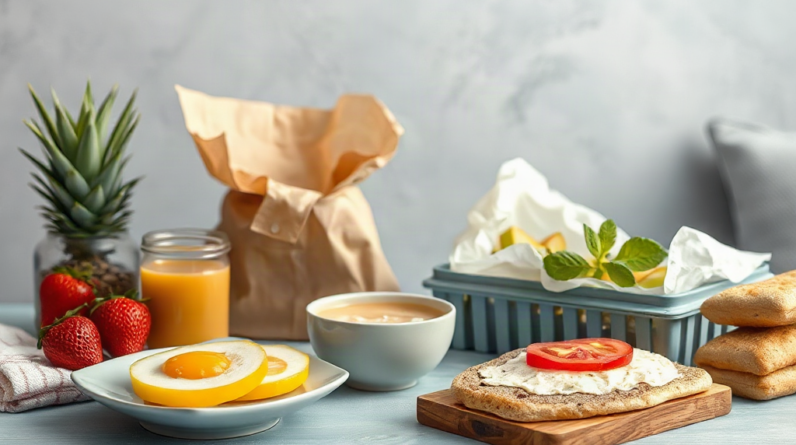
Healthy on-the-go breakfast choices for busy mornings combine a protein source, a fiber-rich carbohydrate, and produce in a container that travels safely and cleanly. Practical options include overnight oats with yogurt and berries, a whole-grain wrap with egg and vegetables, or fruit paired with unsweetened yogurt and nuts. Protein and fiber generally make breakfast more satisfying than a pastry or sweetened drink alone, while advance portioning reduces rushed purchases. Choose foods that match your commute, refrigeration access, allergies, appetite, and schedule.
What Makes a Portable Breakfast Balanced?
A useful portable breakfast has to satisfy two tests: it should provide a sensible mix of foods, and it must survive the way the morning actually unfolds. A nutritionally varied meal that leaks in a bag or requires a fork during a crowded commute is not a workable choice. Likewise, a convenient pastry may be easy to carry but often provides less protein and fiber than a breakfast built from minimally processed staples.
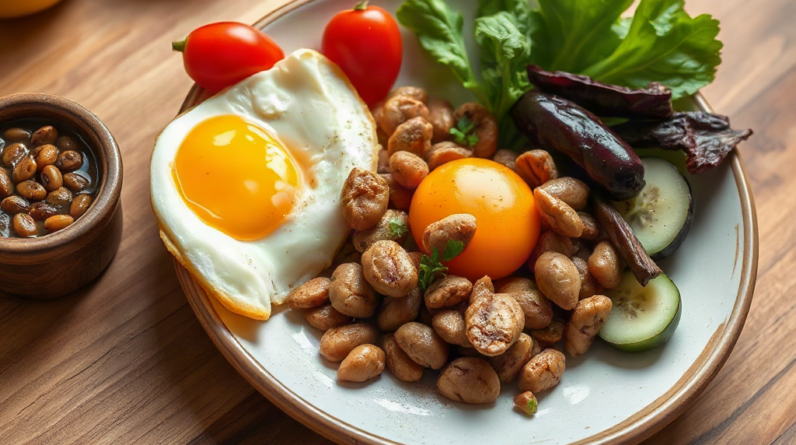
A practical formula is to combine protein, a fiber-containing carbohydrate, and fruit or vegetables. Protein can come from eggs, plain Greek-style yogurt, cottage cheese, milk, soy milk, tofu, beans, nuts, or seeds. Oats, whole-grain bread, whole-grain tortillas, and high-fiber cereals supply carbohydrates along with varying amounts of fiber. Berries, bananas, apples, spinach, tomatoes, and peppers add flavor, texture, and a wider range of nutrients.
The combination matters because a breakfast made mostly from refined starch or added sugar may be quick to eat without being especially substantial. Pairing toast with an egg and a piece of fruit, for example, offers more variety than toast with jam alone. Overnight oats made with milk or yogurt, chia seeds, and berries similarly differ from instant oats prepared with water and a large amount of sweetener. Individual appetite and energy needs vary, so balance is more useful than chasing a supposedly perfect portion.
Fat can contribute flavor and staying power, but portable meals can become unexpectedly heavy when nut butter, cheese, nuts, and seeds are all used together. Choose one or two rather than treating every nutritious ingredient as mandatory. Two tablespoons of nut butter may fit one person’s breakfast, while another person may prefer a thinner spread paired with yogurt. The goal is a meal that feels comfortable, not an oversized collection of health-associated foods.
Pay attention to how breakfast performs after eating it. A suitable choice should generally carry you toward the next planned meal without leaving you uncomfortably full. Repeated hunger soon after breakfast may indicate that the meal is too small or lacks protein and fiber. Persistent heaviness may mean the portion or fat content needs adjusting. People managing diabetes, digestive conditions, food allergies, or other nutrition-related concerns may need individualized guidance from a qualified clinician or registered dietitian.
Which Breakfasts Fit Different Morning Routines?
The best choice depends on where breakfast will be eaten, how long it will be unrefrigerated, and whether utensils are realistic. A commuter who eats on a train has different constraints from someone who reaches an office refrigerator before eating. Matching the format to the setting prevents the common pattern of preparing food that is repeatedly left at home.
| Morning situation | Portable breakfast | What to plan for |
|---|---|---|
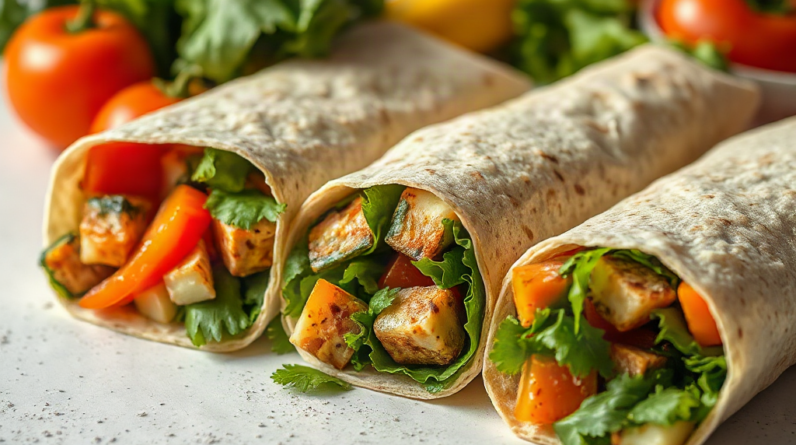
| Eat immediately after leaving | Egg and vegetable whole-grain wrap | Wrap tightly and avoid watery fillings |
| Eat later at work | Overnight oats with yogurt and berries | Keep chilled and pack a spoon |
| No refrigerator available | Apple, single-serve nut butter, and shelf-stable milk | Check storage directions and allergy rules |
| Very small morning appetite | Plain yogurt with fruit and a small oat topping | Use a modest portion that can be finished |
| Needs one-handed food | Whole-grain sandwich with egg or nut butter | Choose firm bread and contained fillings |
For car travel, eating while actively driving is distracting and can be unsafe. Have breakfast before departure, stop somewhere appropriate, or wait until arrival rather than choosing a meal specifically for steering-wheel convenience. A sealed container can still be useful for transporting food without spills. Smoothies may seem ideal, but they can become messy and may be less filling when built mainly from juice and fruit. Adding plain yogurt, milk, soy milk, nut butter, or silken tofu provides more substance; whole fruit can contribute fiber that juice lacks.
For public transit or walking, contained foods generally work better than open bowls. A breakfast wrap with scrambled egg, spinach, and salsa is portable, but too much salsa can soak through the tortilla. Draining cooked vegetables and cooling the filling before wrapping reduces moisture. A peanut butter and banana sandwich travels well where peanut products are permitted, while sunflower seed butter can be an alternative in some nut-restricted environments. Anyone with an allergy should verify ingredients rather than assuming a substitute is safe.
If breakfast must sit for several hours, food safety becomes part of the decision. Perishable foods such as yogurt, cooked eggs, dairy milk, and cut produce should be transported in an insulated bag with a cold source and handled according to package directions and established food-safety guidance. Shelf-stable milk is only shelf-stable before opening unless its label says otherwise. A common failure is treating an insulated tote as refrigeration without adding a frozen pack.
Keep two formats available: one refrigerated option and one shelf-stable backup. That small amount of redundancy makes the plan resilient when food preparation, commuting, or refrigerator access changes unexpectedly.
How Can You Prepare Breakfast Without Adding More Work?
Efficient breakfast preparation relies on repeating components, not cooking a different recipe every day. Choose two base meals for the week, portion several servings, and reserve one emergency option for mornings when the plan breaks. This approach limits decisions while still allowing variety through fruit, seasonings, or fillings.
Overnight oats are a useful batch option because the base can be assembled directly in portable containers. Combine oats with milk or an appropriate fortified alternative, then add plain yogurt or seeds if desired. Refrigerate the mixture and add delicate or crunchy toppings closer to eating. Several jars may be convenient, but quality changes over time; prepare only as many as you are comfortable storing and follow the storage guidance for every perishable ingredient.
Breakfast wraps benefit from component preparation. Cook eggs and firm vegetables, cool them promptly, and assemble enough for the next few mornings. Watery tomatoes, hot filling, and excessive sauce make tortillas soggy. If freezing wraps, use ingredients that reheat evenly and follow safe cooling, freezing, thawing, and reheating practices. A frozen center with an overheated exterior is a sign that the portion is too thick or the reheating method needs adjustment.
A compact preparation checklist keeps the routine focused:
Good Health Solution is Easier Than Most People Think! Take a Look for Yourself!
- Select two breakfasts: one cold option and one handheld option.
- Prepare shared ingredients: wash fruit, cook eggs, or portion oats once.
- Pack the night before: include utensils, napkins, and a cold pack where needed.
- Place breakfast beside an unavoidable cue: store it near keys or the work bag, without leaving perishables unrefrigerated.
- Restock one backup: replace shelf-stable milk, whole-grain crackers, nuts, or fruit after use.
The weak version of meal preparation is an ambitious weekend session that produces more food than anyone wants to eat. Repetition can reduce morning effort, but it can also lead to waste if texture deteriorates or appetite changes. Start with two or three portions rather than an entire week. If every serving gets eaten and the process feels easy, increase the batch gradually.
Signs the system is working include leaving home with breakfast consistently, minimal discarded food, and no scramble for containers. If food is forgotten, move packing earlier. If it becomes soggy, separate wet ingredients. If the meal feels inadequate, increase the protein source, whole-grain portion, or fruit rather than adding random snack foods. The preparation method should adapt to the failure point.
How Should You Choose Packaged Breakfasts?
Packaged breakfast food is most useful when it solves a genuine time or storage problem without becoming a misleading substitute for a full meal. Front-of-package claims such as “natural,” “multigrain,” or “protein” do not reveal the complete nutritional picture. The ingredient list, Nutrition Facts panel, serving size, added sugars, fiber, protein, sodium, and allergen statement provide more decision value.
Start by asking what role the item plays. A granola bar may be a carbohydrate-rich component rather than a complete breakfast. Pairing it with plain yogurt and an orange creates a more varied meal. A drinkable yogurt may supply protein but also contain considerable added sugar, depending on the product. Compare similar products within the same category instead of judging a cereal bar against an egg sandwich, since they serve different needs.
Whole-food options are not automatically convenient, and processed foods are not automatically poor choices. Plain frozen fruit, whole-grain bread, unsweetened instant oatmeal, and individually portioned nut butter are processed to different degrees yet can fit a practical breakfast. The more relevant question is whether the product contributes useful nutrients and works within the rest of the meal. A heavily sweetened pastry can still be eaten occasionally, but calling it balanced because it contains fruit flavoring would be a weak assumption.
Cost deserves attention as well. Single-serve cups and bars reduce preparation but usually involve more packaging and may cost more per serving than larger containers. Buying a large tub of yogurt and portioning it into leakproof jars can reduce cost, while single portions may be worthwhile for someone who otherwise wastes food. Compare unit prices where available, then account for storage space and realistic consumption rather than selecting the nominally cheapest package.
Keep a simple decision order: check allergens and storage requirements first, assess whether the item adds protein or fiber, examine added sugar and serving size, and then compare price. Avoid treating one nutrient number as a pass-or-fail score. A lower-sugar cereal with little protein may work well with milk and nuts, while a high-protein bar may be unnecessary beside eggs and yogurt. Packaged products work best as deliberate components, not as claims-driven shortcuts.
Frequently Asked Questions
What is the easiest balanced breakfast to take to work?
Overnight oats made with milk or yogurt, fruit, and seeds are easy to portion the night before. Keep the container chilled and pack a spoon.
What can I eat when I have no refrigerator?
Try whole fruit with nut or seed butter, a lower-sugar whole-grain cereal with unopened shelf-stable milk, or whole-grain crackers with a safely stored protein option. Follow every product’s storage directions.
Are breakfast bars enough for a morning meal?
Some bars are small and mostly carbohydrate, so check the serving size, protein, fiber, and added sugar. Pairing a bar with fruit and yogurt or milk often creates a more substantial breakfast.
Can a smoothie be a complete portable breakfast?
A smoothie can be more substantial when it includes whole fruit, a protein source such as plain yogurt or soy milk, and optional oats or nut butter. Juice-only blends may be less filling.
How do I keep breakfast from becoming soggy?
Cool cooked fillings before assembly, drain wet vegetables, use sauces sparingly, and pack crunchy toppings separately. Firm bread, tortillas, and leakproof divided containers also protect texture.
Conclusion
A dependable morning routine needs fewer moving parts, not a collection of elaborate recipes. Pick two portable formats that suit where you eat, then build each around a protein source, a fiber-containing staple, and produce when practical. Prepare only a few servings until you know they will be eaten, and correct specific problems such as sogginess, forgotten utensils, insufficient portions, or inadequate chilling.
Use packaged products selectively by reading the full label and deciding what each item contributes to the meal. Keep a shelf-stable backup for disrupted mornings, but do not sacrifice allergy checks or storage safety for convenience. The next useful step is simple: choose one cold breakfast and one handheld breakfast, buy the shared ingredients, and pack tomorrow’s serving before the evening ends.
 Good Health Solution is Easier Than Most People Think! Take a Look for Yourself!