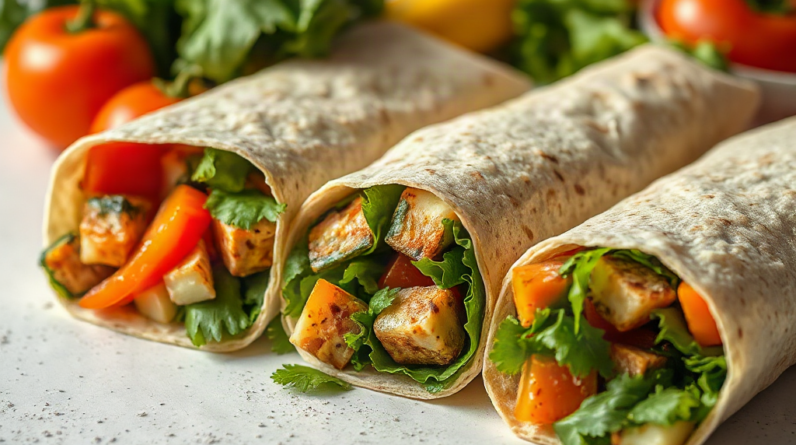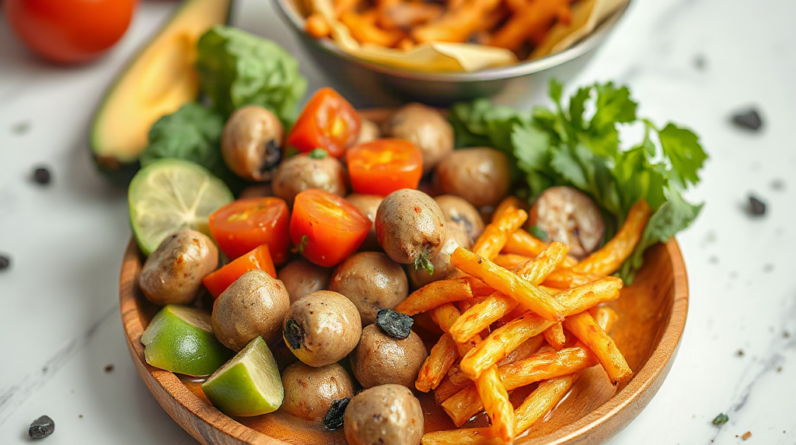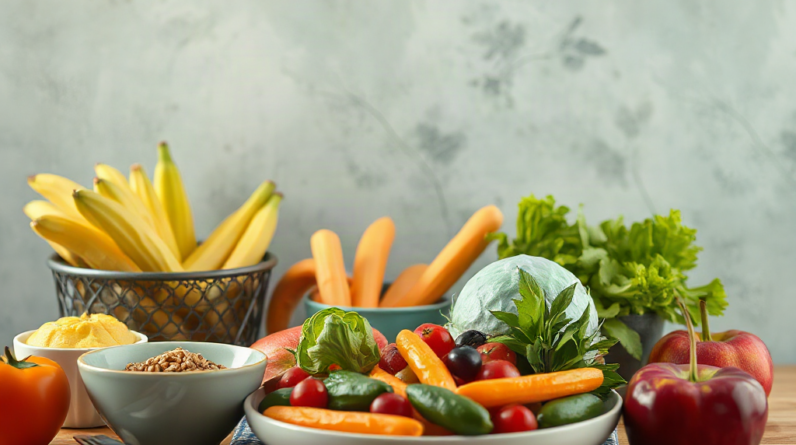
Volume eating recipes create larger satisfying portions by combining water-rich vegetables, whole fruit, broth, lean protein, and fiber-rich starches while moderating concentrated fats and sugars. A filling plate might pair roasted vegetables and potatoes with chicken, tofu, beans, or fish rather than relying mainly on oil, cheese, or refined snacks. Protein and fiber improve staying power, while water and air increase physical volume without requiring oversized amounts of calorie-dense ingredients. The approach works best when meals still contain adequate energy and flavor; excessive restriction, watery dishes, or vegetable-only plates often lead to renewed hunger and unsatisfying eating.
How Does Volume Eating Build a Satisfying Meal?
Food volume comes largely from water, fiber, and incorporated air. Vegetables, whole fruit, cooked grains, beans, broth-based soups, and foods such as yogurt or whipped eggs can occupy substantial space on a plate or in a bowl. Oil, butter, nuts, cheese, dried fruit, sweets, and fried foods provide more concentrated energy in a smaller physical amount. Neither group is inherently good or bad, but the balance between them changes how large a meal looks and feels.
A useful volume-eating meal does more than stretch a serving with lettuce or water. Physical bulk may contribute to fullness during the meal, but protein, fiber, carbohydrate, and some dietary fat influence whether that satisfaction lasts. A huge bowl of plain cucumber and greens may feel filling for 20 minutes yet function poorly as lunch. Add chickpeas or chicken, a cooked grain or potato, and a measured dressing, and the bowl becomes a more complete meal rather than an oversized side dish.
Cooking method changes volume and eating experience. Broth turns vegetables, beans, and a modest portion of noodles into a substantial soup. Grated zucchini or mushrooms can expand ground turkey, lentils, or beef in a skillet. Frozen berries add bulk and cold texture to yogurt, while oats cooked with extra liquid become a larger serving than a dry cereal portion. Roasting, by contrast, removes water and shrinks produce, so a tray of roasted vegetables may require more raw ingredients than expected.
The smartest comparison is not simply low-calorie food versus high-calorie food. It is a satisfying mixed meal versus a plate that concentrates most of its energy in a small component. For example, pasta coated heavily with oil can be compact without offering much vegetable or protein volume. Using a moderate pasta portion with tomatoes, zucchini, mushrooms, white beans, and a smaller amount of olive oil produces more food and a broader nutrient mix.
Volume eating should not be treated as a contest to create the fewest-calorie plate. Appetite, activity, body size, health needs, and meal timing differ. Persistent fatigue, intense food preoccupation, frequent rebound eating, or difficulty meeting nutritional needs can indicate that portions are large in appearance but inadequate in substance. Anyone managing a medical condition, digestive disorder, pregnancy, or a history of disordered eating should seek individualized guidance rather than using volume as a restriction tool.
A Practical Formula for High-Volume Recipes
A reliable high-volume recipe begins with a substantial produce base, then adds enough protein and carbohydrate to make it a meal. Flavor and fat are included deliberately instead of removed automatically. This structure works for bowls, soups, sheet-pan dinners, skillets, salads, oats, and blended snacks, making it more useful than memorizing a collection of narrowly defined diet recipes.
Use the following order when building a recipe:
- Choose the volume base: use vegetables, whole fruit, broth, or a combination. Examples include cabbage, cauliflower, tomatoes, berries, melon, zucchini, leafy greens, mushrooms, and vegetable soup stock.
- Add a protein anchor: consider eggs, Greek-style yogurt, cottage cheese, fish, poultry, tofu, tempeh, lentils, or beans. Select an amount appropriate for your appetite and dietary needs.
- Include a sustaining carbohydrate: potatoes, oats, brown rice, quinoa, corn, whole-grain pasta, barley, or bread can make the meal more durable than vegetables alone.
- Finish with concentrated flavor: use dressing, pesto, tahini, avocado, nuts, cheese, or oil in an intentional amount, then reinforce flavor with herbs, spices, citrus, vinegar, garlic, or chile.
The table shows how the formula changes across common formats without forcing every dish into the same nutritional profile.
| Meal format | Volume base | Protein and starch | Flavor finish |
|---|---|---|---|
| Soup | Broth, tomatoes, cabbage, carrots | Beans and barley | Parmesan, herbs, lemon |
| Breakfast bowl | Cooked oats, apple, berries | Milk or yogurt and oats | Cinnamon and nut butter |
| Grain bowl | Greens, cucumber, roasted vegetables | Quinoa and tofu or chicken | Tahini-lemon sauce |
| Skillet | Mushrooms, peppers, zucchini | Potatoes and eggs | Salsa and avocado |
Texture deserves attention because large portions become monotonous when every ingredient is soft. Pair soup with crisp cabbage, top yogurt with fresh apple, or add toasted seeds to a vegetable bowl. Temperature and acidity also matter: cold cucumber against warm grains or lemon juice over a rich bean stew makes repeated bites more appealing.
A common failure is expanding a familiar dish only with vegetables while leaving the seasoning unchanged. An extra pound of zucchini dilutes salt, acid, aromatics, and sauce. Season in stages and taste after the high-water ingredients cook down. If the finished meal seems flat, add acid or spices before adding large quantities of oil or cheese; those concentrated ingredients can improve flavor, but they should solve the actual problem rather than compensate for weak seasoning.
Which Volume Eating Recipes Work for Each Meal?
The most practical recipes use familiar ingredients and preserve the identity of the original dish. A vegetable-packed chili should still taste like chili, and an expanded oatmeal bowl should remain creamy rather than becoming thin flavored water. Recipes are easier to repeat when they rely on ordinary frozen, canned, and fresh foods rather than specialty substitutes.
Breakfast: Apple-Berry Protein Oats
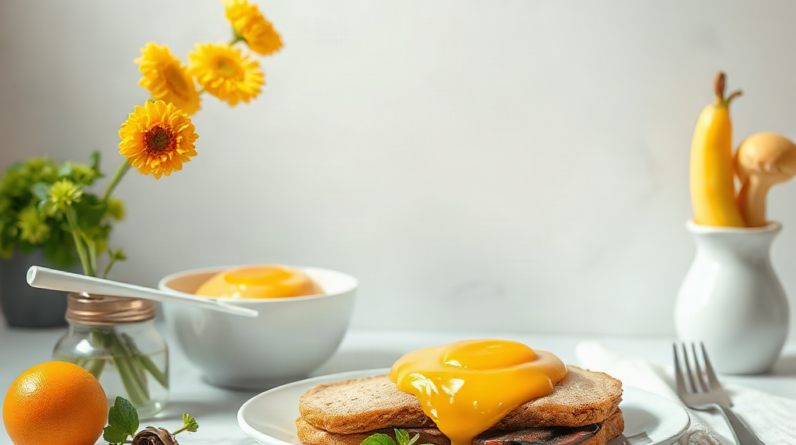
Cook rolled oats with milk or a milk alternative and enough water to reach the texture you prefer. Stir in a grated apple during cooking, then fold in frozen berries near the end. After removing the pan from direct heat, add Greek-style yogurt or serve it on top. Cinnamon, vanilla, and a spoonful of nut or seed butter provide flavor and richness. The fruit expands the bowl, while oats and yogurt supply more staying power than fruit alone.
The main mistake is adding so much liquid or shredded produce that the oats lose their creamy structure. Begin with the usual cooking liquid, then add small amounts as the oats thicken. People with larger energy needs can increase the oats, yogurt, or nut butter rather than relying only on more fruit.
Lunch: Crunchy Chickpea Grain Bowl
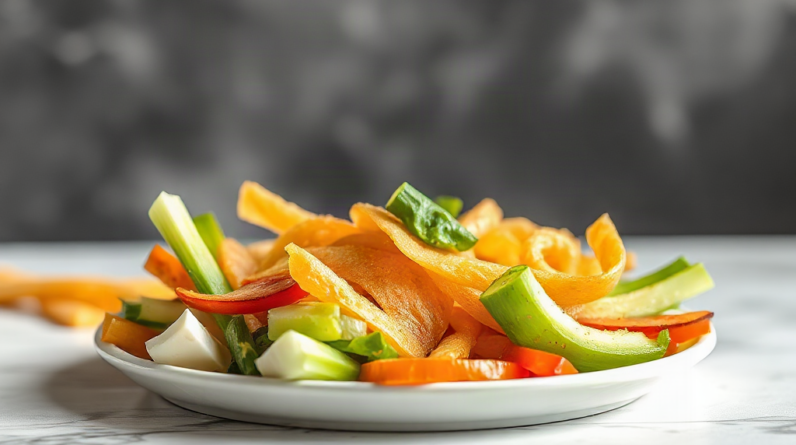
Combine chopped romaine or cabbage with cucumber, tomatoes, grated carrots, cooked grain, and chickpeas. Dress the bowl with lemon juice, tahini, water, garlic, and salt. Cabbage holds its texture better than delicate greens when lunch must be packed several hours ahead. Grain and chickpeas prevent the meal from becoming a salad that looks impressive but leaves hunger unresolved.
For sensitive digestion, a very large raw vegetable portion may cause discomfort. Substitute roasted zucchini, cooked carrots, or sautéed greens, and start with a moderate bean serving. Volume does not need to come exclusively from raw food.
Good Health Solution is Easier Than Most People Think! Take a Look for Yourself!
Dinner: Mushroom-Zucchini Turkey or Lentil Skillet
Brown ground turkey or cook lentils with onion and garlic, then add finely chopped mushrooms, grated zucchini, canned tomatoes, and Italian seasoning. Simmer until excess moisture evaporates and the mixture becomes spoonable rather than watery. Serve it over a baked potato, polenta, or a moderate portion of pasta. Mushrooms and zucchini expand the sauce, while the protein component and starch make it suitable for dinner.
Watery vegetables need enough cooking time. Crowding them into a cool pan traps steam and can produce a bland, loose sauce. Cook in a broad skillet, allow moisture to reduce, and adjust seasoning after reduction because flavors become more concentrated.
Snack or Dessert: Frozen Berry Yogurt Bowl
Mix partially thawed berries with plain yogurt, cocoa or cinnamon, and a small amount of honey if needed. The cold fruit creates a slower-eating, spoonable snack. It is more substantial than juice because the whole fruit retains its structure and fiber. Granola can add crunch, but pouring it freely can turn a high-volume bowl into a granola-heavy serving; measure a modest topping and let fruit remain the bulk of the dish.
Why Do Some High-Volume Meals Leave You Hungry?
High-volume meals usually fail when physical size is mistaken for complete nourishment. Water and vegetables create bulk, but a plate may still be short on protein, energy, carbohydrate, fat, or simple eating satisfaction. Hunger soon after a meal is not necessarily a lack of discipline; it is useful feedback about the meal’s composition, timing, or fit with the person’s needs.
First, check the protein anchor. A vegetable soup made with broth, carrots, celery, and tomatoes has substantial volume but little protein unless it includes beans, lentils, chicken, tofu, or another source. Next, examine the carbohydrate component. Someone eating before an active afternoon may find that a salad with lean protein works better when it also contains potatoes, corn, grain, beans, or bread. A small amount of fat from dressing, seeds, avocado, or cheese can improve flavor and meal satisfaction, although fat is concentrated and does not need to dominate the dish.
Preparation can also create digestive problems. Suddenly doubling raw cruciferous vegetables, bran, or beans may lead to bloating for some people, particularly when their usual fiber intake is lower. Gradual changes, adequate fluids, and a mix of cooked and raw produce are often more comfortable than immediately eating enormous salads. People with diagnosed gastrointestinal conditions may need different fiber choices and should not assume that maximum volume is appropriate.
Use appetite and function as practical checks rather than evaluating success by plate size alone. A suitable meal generally allows comfortable fullness, normal energy, and a reasonable interval before hunger returns. Warning signs include feeling uncomfortably distended at the table, repeatedly seeking snacks soon afterward, removing every energy-dense ingredient, or spending excessive time engineering enormous low-calorie dishes.
Compare two adjustment paths before adding still more vegetables. If the meal feels physically small but otherwise balanced, add broth, fruit, or cooked produce. If it already looks huge but does not last, strengthen the protein, starch, or fat component. If it tastes unsatisfying, improve browning, salt, acidity, spice, texture, or temperature contrast. Adding volume cannot correct every recipe problem.
Convenience matters as well. Frozen vegetables, canned beans, bagged slaw, microwaveable grains, and canned tomatoes may make a balanced bowl more achievable than a recipe requiring extensive chopping. Check canned and packaged foods according to personal sodium or ingredient needs, but do not assume that fresh-only cooking is required. A repeatable meal assembled in 15 minutes is usually more useful than an elaborate volume recipe that is prepared once.
Frequently Asked Questions
Is volume eating the same as eating low-calorie foods?
No. Volume eating emphasizes physically generous portions, but a sound meal still includes protein, carbohydrate, fat, and sufficient energy. Focusing only on the lowest-calorie ingredients can produce meals that are large yet poorly satisfying.
What vegetables work best in high-volume recipes?
Zucchini, mushrooms, cabbage, tomatoes, cauliflower, leafy greens, peppers, and carrots are versatile choices. Select them by recipe: mushrooms suit skillets, cabbage stays crisp in bowls, and tomatoes or zucchini add moisture to sauces and soups.
Can volume eating recipes include pasta or potatoes?
Yes. Pasta and potatoes can supply useful carbohydrate and make vegetable-heavy meals more sustaining. Pair them with produce and protein instead of removing them automatically or allowing them to become the only substantial ingredient.
How can I prevent a high-volume recipe from becoming watery?
Use a wide pan, avoid crowding, cook high-moisture vegetables long enough to reduce their liquid, and add delicate ingredients in stages. Thicken soups or sauces with beans, lentils, potatoes, or a controlled simmer rather than excessive oil.
Is volume eating appropriate for everyone?
No single eating approach suits everyone. Very large, high-fiber portions may be uncomfortable or inappropriate for some digestive conditions, medical needs, pregnancies, or eating-disorder histories. Individual guidance may be preferable in those situations.
Conclusion
Successful volume cooking makes the plate larger without making nutrition or enjoyment smaller. Begin with vegetables, fruit, broth, or another water-rich base, then deliberately add a protein source, a sustaining carbohydrate, and enough concentrated flavor to make the dish worth repeating. Match the cooking method to the ingredient: reduce watery vegetables, season expanded recipes in stages, and use cooked produce when enormous raw portions cause discomfort.
Try one adaptable format first, such as oats, soup, a grain bowl, or a vegetable-rich skillet. After eating it, assess comfort, flavor, energy, and how soon hunger returns. Increase produce when the meal is balanced but physically small; strengthen protein, starch, or fat when it is already large but lacks staying power. That feedback produces more useful recipes than pursuing maximum plate size or minimum calories.
 Good Health Solution is Easier Than Most People Think! Take a Look for Yourself!