
-

Important Steps to Achieve Self-empowerment Self-empowerment is the process of taking control of your own life and feeling more confident in your abilities. It involves having a clear understanding…
Continue Reading » -

Brain Dump Are you feeling overwhelmed with all the thoughts and tasks that are cluttering your mind? Is it hard to focus on one task when there is a never-ending…
Continue Reading » -

Mindful Journaling One of the easiest ways to practice mindfulness is through journaling. This practice can help you build a healthy habit that can transform your life. There are many…
Continue Reading » -

How to Create a Healthy Work-Life Balance Whether you’re an employee or an employer, a healthy work life balance is essential for your personal success as well as that of…
Continue Reading »

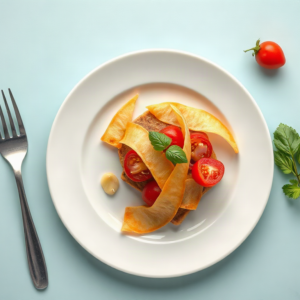
Quick Healthy Meals Ready in Thirty Minutes: Prep-to-Plate Plan
Quick healthy meals ready in thirty minutes are most reliable when the prep-to-plate plan combines a fast protein, quick-cooking vegetables, a whole-grain or starchy base, and one flavorful sauce. Choose ingredients that cook simultaneously, such as salmon with green beans or eggs with sautéed spinach, rather than recipes requiring several separate stages.
Read More »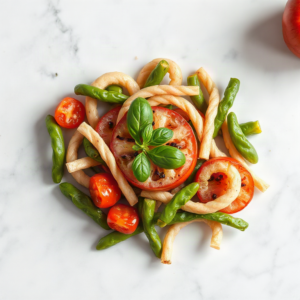
Healthy Meals for Picky Eaters Without Separate Cooking
Healthy meals for picky eaters without separate cooking work best when everyone receives the same basic meal, with familiar foods, new components, sauces, and toppings served separately. Build each dinner around one accepted item, then let diners choose among a protein, grain or starchy vegetable, produce, and optional flavor additions without replacing the meal.
Read More »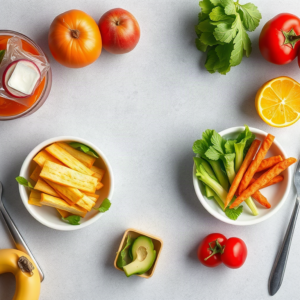
Healthy Lunch Ideas for Satisfying Workdays: 9 Food Combos
Healthy lunches for satisfying workdays combine a substantial protein source, fiber-rich carbohydrates, vegetables or fruit, and enough flavor and fat to make the meal enjoyable. Practical combinations include lentil grain bowls, chicken wraps, egg snack boxes, bean salads, and leftovers packed in portions that match your appetite.
Read More »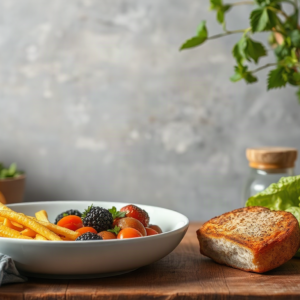
Healthy Dinner Ideas for Sustainable Weight Management
Healthy dinners for sustainable weight management combine a satisfying protein source, fiber-rich vegetables, minimally processed carbohydrates, and enough fat for flavor without making portions overly energy-dense. Practical options include salmon with roasted vegetables and potatoes, a bean-and-grain bowl, chicken stir-fry, or lentil pasta with greens.
Read More »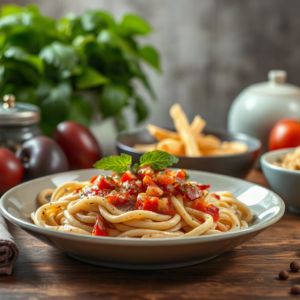
Heart Healthy Recipes for Everyday Family Dinners: 7 Ideas
Heart healthy recipes for everyday family dinners work best when vegetables, whole grains, beans, fish, or lean poultry form the meal’s foundation while sodium and saturated fat stay modest. Practical options include sheet-pan salmon with broccoli, lentil tomato pasta, chicken-barley soup, and black bean tacos with cabbage slaw.
Read More »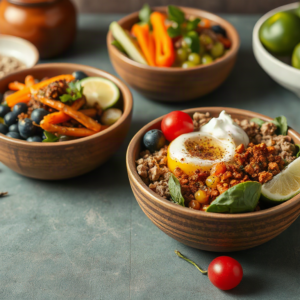
Healthy Bowls With Balanced Toppings and Portions by Meal
Healthy bowls with balanced toppings and portions combine vegetables or fruit, a protein-rich food, a measured grain or other starch, and a modest amount of flavorful fat or sauce. A practical starting point is to fill about half the bowl with produce, then divide the remaining space between protein and grains, beans, or starchy vegetables.
Read More »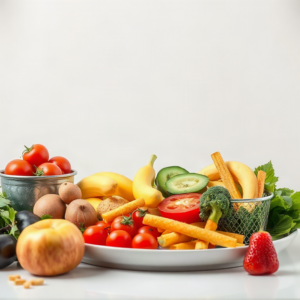
Reasons to Choose More Whole Foods Regularly: Key Benefits
Choosing more whole foods regularly can improve diet quality by providing fiber, protein, vitamins, minerals, and naturally varied plant compounds while reducing reliance on products high in added sugars, sodium, or refined starches. Vegetables, fruits, beans, intact grains, nuts, eggs, fish, and plain dairy can also make meals more filling…
Read More »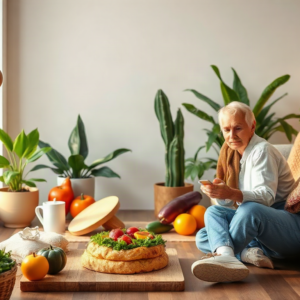
Everyday Activities That Support a Healthier Life at Any Age
Everyday activities that support a healthier life at any age combine regular movement, nourishing meals, restorative sleep, social contact, and manageable periods of mental recovery. Walking during errands, standing between seated tasks, preparing fiber-rich foods, and keeping a consistent bedtime can make health-supportive behavior part of an existing routine rather than another demanding project.
Read More »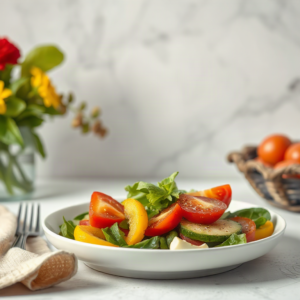
Healthy Living Skills for Planning Balanced Meals: Plate Plan
Healthy living skills for planning balanced meals combine a flexible plate plan with realistic shopping, preparation, and portion decisions. Build most meals from vegetables or fruit, a protein source, a fiber-rich carbohydrate, and an appropriate fat, then adjust the amounts for appetite, activity, health needs, and available food.
Read More »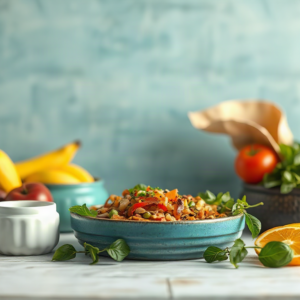
Three Practical Steps for Eating Healthier Each Week
Three practical steps for eating healthier each week are to plan a small set of meals, stock versatile whole-food ingredients, and improve the balance of foods already on your plate. Choose meals that fit your actual schedule, then buy vegetables, fruit, whole grains, protein foods, and convenient backups that can be used more than once.
Read More »