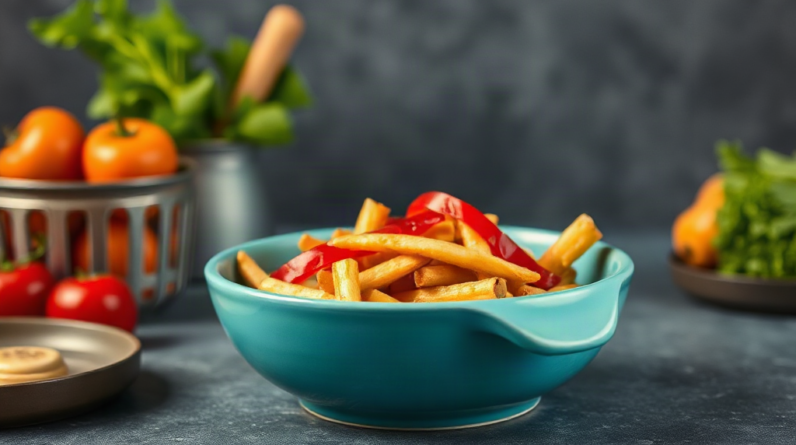
Carbohydrate choices that support steady energy at meals usually combine minimally processed, fiber-rich foods with protein, fat, and an appropriate portion size. Oats, beans, lentils, intact grains, fruit, and starchy vegetables generally digest more gradually than sweet drinks, candy, or refined baked goods. Pairing carbohydrates with eggs, yogurt, fish, tofu, nuts, or olive oil can further slow digestion and make a meal more satisfying. The best choice still depends on activity, appetite, digestive tolerance, and medical needs; persistent fatigue or blood sugar concerns warrant guidance from a qualified healthcare professional.
What Makes a Carbohydrate Release Energy More Gradually?
The physical form of a carbohydrate often matters as much as its label. Intact or lightly processed foods retain more of their original structure, so chewing and digestion tend to take longer. Steel-cut oats, barley kernels, beans, whole fruit, and roasted sweet potato differ from sweetened cereal, juice, crackers, or mashed potato even when both options supply carbohydrate.
Fiber is part of that distinction. Soluble fiber absorbs water and contributes to a thicker mixture in the digestive tract, while insoluble fiber adds bulk and preserves food structure. Neither makes a food carbohydrate-free, but both can moderate how quickly a meal is digested. Beans and lentils are especially useful because they provide starch, fiber, and protein in the same food. Fruit contains natural sugars, yet a whole apple also supplies water, fiber, and chewing resistance that apple juice largely lacks.
Processing can reduce those barriers. Grinding grain into fine flour increases the surface area exposed to digestive enzymes, and removing bran lowers fiber. A whole-grain label therefore does not guarantee that every product will feel equally sustaining. A dense wheat-berry salad and finely milled whole-wheat bread may affect fullness differently. Added sugar, low fiber, and an easy-to-eat texture can also make it simple to consume a large carbohydrate portion before satisfaction catches up.
The glycemic index is sometimes used to compare how carbohydrate foods affect blood glucose under standardized conditions, but it should not be treated as a complete meal-ranking system. Preparation, ripeness, portion size, mixed meals, and individual responses all matter. A low-index food is not automatically nutrient-dense, and a higher-index food is not automatically unsuitable. A banana may be practical before exercise, while beans may fit better in a lunch expected to last through an afternoon.
A common mistake is judging food by sugar content alone. Plain milk and fruit contain naturally occurring sugars alongside other nutrients, whereas a sugary drink provides carbohydrate with little fiber or chewing. Prioritize food structure, fiber, portion, and the full meal rather than relying on one number. A useful sign is whether the meal keeps hunger and concentration reasonably stable until the next planned eating occasion, without an uncomfortable sense of heaviness.
Which Carbohydrate Foods Work Best at Meals?
Useful everyday choices include legumes, intact grains, minimally processed grain foods, whole fruit, and starchy vegetables. Variety matters because these groups provide different combinations of fiber, vitamins, minerals, and texture. The goal is not to identify one perfect carbohydrate but to choose an option that fits the meal, budget, preparation time, and digestive tolerance.
For breakfast, plain oatmeal topped with berries and nuts generally offers more structure and fiber than a sweet pastry or bowl of highly refined cereal. Unsweetened muesli, whole-grain toast, or leftover roasted potato can also work when paired thoughtfully. Check packaged cereals and breads for whole-grain ingredients and meaningful fiber, but compare the complete nutrition label rather than trusting front-of-package wording. Products described as multigrain may still be made mainly from refined flour.
At lunch or dinner, lentils, chickpeas, black beans, barley, brown rice, quinoa, corn, potatoes, and sweet potatoes are practical options. Preparation changes the meal more than food rules often suggest. A baked potato served with beans, vegetables, and plain yogurt is different from a large serving of fries eaten without a protein-rich accompaniment. Likewise, white rice paired with tofu, vegetables, and sesame seeds may be more sustaining than an oversized bowl of rice alone.
| Meal need | Carbohydrate option | Useful pairing | Practical constraint |
|---|---|---|---|
| Quick breakfast | Plain oats or whole-grain toast | Yogurt, eggs, nuts, or seeds | Flavored versions may contain substantial added sugar |
| Portable lunch | Bean salad or whole-grain wrap | Chicken, tofu, cheese, or hummus | Wrap size and fillings can make portions hard to judge |
| Low-cost dinner | Lentils, potatoes, or brown rice | Vegetables plus eggs or canned fish | Legumes may need gradual introduction |
| Fast snack | Whole fruit or plain popcorn | Nuts, milk, or yogurt | Dried fruit is compact and easy to overportion |
Convenience does not have to mean nutritionally weak. Frozen brown rice, canned beans, frozen corn, microwavable oats, and frozen fruit shorten preparation. Rinse canned beans if sodium is a concern and select unsweetened fruit when possible. People who experience bloating with legumes may tolerate smaller amounts, thoroughly rinsed canned beans, or lentils better than a large serving introduced suddenly. Digestive comfort is a valid decision factor, not a reason to abandon all fiber-rich foods.
How Should Carbohydrates Be Paired and Portioned?
A carbohydrate usually works better as one component of a meal than as the entire meal. Protein, fat, fiber, and food volume affect digestion and satisfaction, so combining food groups may produce a steadier experience than eating a refined carbohydrate by itself. Examples include toast with eggs and tomato, fruit with plain yogurt, rice with salmon and vegetables, or lentil soup with a side salad.
Portion needs are not identical. Body size, activity, pregnancy, age, medications, appetite, and health conditions may influence how much carbohydrate is appropriate. An endurance athlete after a long session may need more rice, pasta, bread, or fruit than someone sitting through a quiet afternoon. Conversely, cutting portions so aggressively that a meal becomes unsatisfying can lead to strong hunger and unplanned snacking later.
A practical visual method is to build a plate with a substantial amount of non-starchy vegetables, a protein source, and a moderate portion of carbohydrate-rich food, then add fat through foods such as nuts, seeds, avocado, or olive oil. This is a flexible starting point rather than a prescription. Mixed dishes require a different judgment: bean chili, for example, already combines carbohydrate, protein, fiber, and vegetables, while creamy pasta may need added vegetables and a clearer protein source.
Use the following check before deciding that a carbohydrate food is the problem:
- Check the portion. A nourishing food can still feel heavy when the serving exceeds current needs.
- Check the company it keeps. Add protein, vegetables, or a source of unsaturated fat if the meal is mostly starch.
- Check the processing. Compare whole fruit with juice, oats with a sugary breakfast bar, or beans with refined snack foods.
- Check the gap between meals. A meal may appear inadequate when the schedule simply asks it to cover too many hours.
The most common failure mode is adding protein or fat without reconsidering an already oversized meal. Pairing can slow digestion, but it does not erase total energy intake. Another weak assumption is that avoiding all carbohydrates will guarantee stable energy. Very low intake may leave some people feeling tired, limit convenient fiber sources, or make exercise fueling difficult. Changes should be assessed through appetite, comfort, concentration, and activity rather than fear of a single nutrient.
How to Adjust Choices for Timing and Real Life
Timing changes which carbohydrate choice is most useful. A high-fiber meal may suit a long work period, while a smaller, easier-to-digest option may be preferable shortly before vigorous activity. The food is not inherently good or bad; its usefulness depends on what the body must do next and how much digestion time is available.
Good Health Solution is Easier Than Most People Think! Take a Look for Yourself!
Before exercise, some people tolerate toast, a banana, or a modest bowl of cereal better than beans or a large serving of bran. After prolonged or demanding activity, carbohydrate paired with protein can help replenish fuel while supporting recovery. A yogurt-and-fruit bowl, rice with eggs, or a bean-and-chicken wrap may be practical. Exercise nutrition needs vary substantially, so people training intensely may benefit from individualized advice rather than applying ordinary desk-day portions to heavy training.
For office or school days, lunch should be tested against the actual afternoon. If hunger returns within an hour or two, inspect whether the meal relied on refined bread, chips, sweets, or a sweet drink with little protein and fiber. If the meal causes uncomfortable fullness or sluggishness, the portion may be too large, too rich, or consumed too quickly. Adjust one variable at a time: reduce the starch portion slightly, replace juice with whole fruit, add vegetables, or choose beans in place of part of the refined grain.
Budget and access also shape sustainable choices. Dried oats, lentils, beans, potatoes, brown rice, and seasonal fruit can provide fiber-rich carbohydrate without specialty products. Canned and frozen forms reduce waste and preparation time. If whole-grain pasta costs more or is disliked, regular pasta can still be part of a balanced meal when the portion is reasonable and the sauce includes vegetables and a protein source. Consistency with accessible foods is more useful than buying an expensive product that goes uneaten.
Track patterns without expecting perfectly flat energy. Sleep loss, dehydration, stress, caffeine timing, illness, and long gaps between meals can all affect alertness. A carbohydrate change is probably helping when meals are satisfying, digestion is comfortable, and energy feels more predictable across several comparable days. It may be failing when hunger rebounds quickly, gastrointestinal symptoms increase, or restrictive rules interfere with adequate eating. People with diabetes, recurrent low blood sugar, gastrointestinal disease, unexplained fatigue, or medication-related concerns should discuss dietary changes with a registered dietitian or other qualified clinician.
Conclusion
Steadier energy is more likely when carbohydrate decisions account for food structure, fiber, portion size, and the rest of the plate. Begin with accessible foods such as oats, beans, lentils, fruit, potatoes, and intact or whole-grain options, then pair them with protein, vegetables, and unsaturated fat. Avoid treating labels such as whole grain, low sugar, or low glycemic as complete judgments.
Test changes against real situations rather than an idealized menu. Notice how long a meal remains satisfying, whether digestion is comfortable, and whether the portion matches the next few hours of activity. Change one feature at a time so the result is interpretable. Persistent fatigue, unusual glucose readings, or symptoms linked to eating deserve professional assessment rather than increasingly restrictive food rules.
Frequently Asked Questions
Are whole grains always better than refined grains?
Whole grains usually retain more fiber and nutrients, but tolerance, availability, meal context, and activity matter. Refined grains can still fit when paired with protein and vegetables or when easier digestion is useful.
Can fruit cause an energy crash?
Whole fruit contains sugar along with water and fiber, making it different from juice or sweets. If fruit alone is not satisfying, pair it with yogurt, cheese, nuts, or seeds.
Is white rice unsuitable for steady energy?
White rice digests relatively quickly, but portion and meal composition matter. Combine it with beans, tofu, fish, eggs, vegetables, or unsaturated fat rather than treating it as the entire meal.
What is a practical carbohydrate snack for work?
Try an apple with peanut butter, plain yogurt with berries, whole-grain crackers with cheese, or popcorn with nuts. Choose an amount that bridges the actual gap until the next meal.
Should people with diabetes avoid carbohydrates?
Not necessarily, but type, amount, timing, medication, and glucose response may require individualized planning. A registered dietitian or diabetes care professional can help tailor choices safely.
Further Reading
Authoritative Sources
- MyPlate: Grains
myplate.govUSDA information explains grain categories and how whole grains differ from refined grains
- The Nutrition Source: Carbohydrates
nutritionsource.hsph.harvard.eduHsph.harvard.eduHarvard's overview discusses carbohydrate quality, fiber, food sources, and broader meal context
- Dietary Fiber Fact Sheet for Consumers
ods.od.nih.govThe NIH Office of Dietary Supplements outlines fiber types, food sources, intake considerations, and digestive cautions
- Understanding Carbohydrates
diabetes.orgThe American Diabetes Association provides context for carbohydrate foods and blood glucose management
 Good Health Solution is Easier Than Most People Think! Take a Look for Yourself!