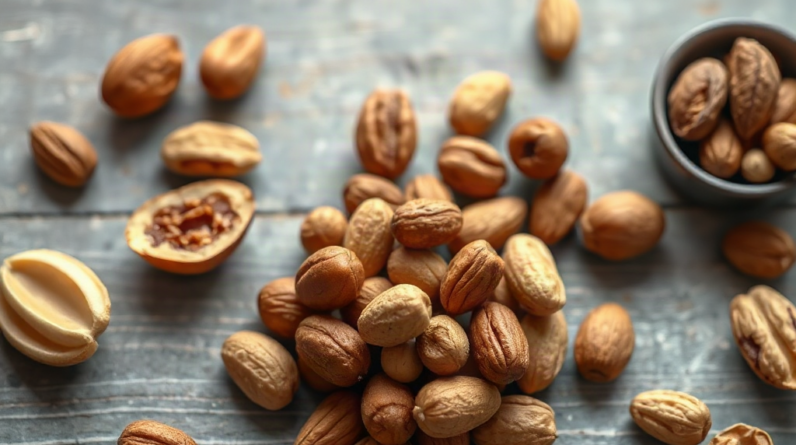
Healthy snacks for work that need no refrigeration include nuts, roasted chickpeas, whole-grain crackers, nut or seed butter, dried fruit, tuna pouches, and shelf-stable produce such as apples. The most satisfying choices combine protein, fiber, and fat rather than relying mainly on refined starch or added sugar. Pack portions in advance, check sodium and added-sugar labels, and keep oily foods away from heat and sunlight. Choose sealed single servings when workplace hygiene or storage is uncertain, and discard anything with damaged packaging, an unusual odor, moisture, mold, or signs of pests.
What Makes a Work Snack Satisfying?
A useful work snack should bridge the time between meals without becoming an accidental second lunch. Protein, fiber, and unsaturated fat generally make a stronger combination than refined starch alone because they take longer to eat and digest. Nuts, beans, whole grains, seeds, and fruit supply these components in different proportions, so pairing two modest items often works better than buying one oversized snack package.
Consider the difference between a sleeve of plain crackers and whole-grain crackers paired with a nut-butter packet. The crackers provide carbohydrate, while the spread adds fat and some protein. An apple with roasted peanuts follows the same logic and adds the chewing volume and fiber of whole fruit. By contrast, a sweet granola bar may resemble a balanced snack but function more like candy if its first ingredients are syrups and refined grains.
Portion size matters because shelf-stable does not mean unlimited. Nuts, seeds, dried fruit, trail mix, and nut butter are compact and easy to eat while concentrating on a screen. Moving a serving from a large package into a small container makes the amount visible. It also protects the remaining food from repeated handling and exposure to humid office air.
The right choice also depends on the next meal. Someone eating lunch in an hour may only need a piece of fruit. A commuter facing a long afternoon and delayed dinner may benefit from a more substantial pairing, such as a tuna pouch with whole-grain crispbread. Hunger that returns within half an hour suggests the snack was too small or lacked protein, fiber, or fat. Feeling uncomfortably full or regularly skipping the next meal suggests it was larger than needed.
Do not assume every product marketed as natural, high-protein, or energy-boosting has a favorable ingredient profile. Compare serving sizes and review added sugar, sodium, saturated fat, protein, and fiber on the Nutrition Facts label. Dietary needs differ, especially for people managing allergies, digestive conditions, kidney disease, diabetes, or other medical concerns. A qualified clinician or registered dietitian can help tailor choices when food affects an existing condition.
12 Snacks That Do Not Need Refrigeration
The most practical desk foods remain stable in their unopened packaging, create little mess, and tolerate a commute. Variety still matters: rotating fruit, legumes, grains, nuts, seeds, and fish provides a broader nutrient mix than eating the same bar every afternoon.
| Snack | What It Contributes | Practical Pairing or Use |
|---|---|---|
| Apples | Fiber, carbohydrate, and moisture | Pair with peanuts or seed butter |
| Oranges or mandarins | Vitamin C, fluid, and natural sweetness | Keep whole until snack time |
| Unsalted nuts | Protein, fat, and minerals | Pre-portion to prevent distracted eating |
| Pumpkin or sunflower seeds | Protein, unsaturated fat, and crunch | Useful in nut-free workplaces if permitted |
| Roasted chickpeas | Plant protein and fiber | Compare sodium among seasoned varieties |
| Whole-grain crackers | Carbohydrate and varying amounts of fiber | Combine with tuna or nut butter |
| Plain popcorn | Whole-grain volume | Choose lightly seasoned options |
| Nut or seed butter packets | Fat, protein, and portability | Spread on crackers or squeeze onto fruit |
| Unsweetened dried fruit | Concentrated carbohydrate and some fiber | Use a small portion with nuts |
| Lower-sugar trail mix | A convenient blend of carbohydrate and fat | Check for candy, coatings, and large servings |
| Tuna or salmon pouches | Protein and beneficial fats | Open only when ready to eat |
| Whole-food snack bars | Portable carbohydrate, nuts, seeds, or fruit | Reserve for rushed days and inspect the label |
Fresh produce is often overlooked in discussions of no-refrigeration snacks. Whole apples, citrus fruit, and firm pears can usually travel well for the workday when they begin undamaged and are kept away from direct heat. Wash produce under running water at home or before eating, then dry it. Once fruit is cut, its storage requirements change; sliced apples and peeled oranges should not sit in a desk drawer all day.
Fish pouches offer more protein than most crackers or fruit, but they have workplace tradeoffs. Odor may be unwelcome in a shared office, and an opened pouch should be eaten promptly rather than folded over and returned to a drawer. If fish is unsuitable, roasted chickpeas, nuts, seeds, or a shelf-stable bean snack may be easier socially and operationally.
Bars are convenient but deserve more scrutiny than whole foods. Some contain substantial added sugar, coatings, or sugar alcohols that may cause digestive discomfort for certain people. A short ingredient list is not automatically healthier, but it makes the product easier to evaluate. Treat bars as one option rather than the default; an apple and a small packet of almonds may be equally portable with less processing.
How Do You Build a Better Snack Pairing?
A dependable pairing combines a carbohydrate-containing food with a source of protein or unsaturated fat. The carbohydrate can provide readily available energy, while protein, fat, and fiber make the snack more substantial. This is a practical formula rather than a rigid nutrition rule, and appetite, activity, meal timing, and individual health needs should determine the amount.
Start by identifying the workday problem. For a short gap before lunch, choose a single whole fruit or a small portion of popcorn. For a three- or four-hour stretch before the next meal, pair an apple with walnuts, whole-grain crackers with a nut-butter packet, or dried apricots with pumpkin seeds. After a physically active commute or demanding shift, a tuna pouch with crispbread may be more useful than fruit alone.
A compact assembly method keeps planning manageable:
- Choose the base: whole fruit, whole-grain crackers, popcorn, or a modest amount of dried fruit.
- Add staying power: nuts, seeds, roasted legumes, nut butter, seed butter, or an unopened fish pouch.
- Check the setting: account for allergies, odors, noise, crumbs, handwashing access, and disposal.
- Pack one intended portion: use a reusable container or factory-sealed serving instead of an open family-size bag.
Workplace constraints can outweigh an otherwise strong nutritional choice. Nut products may be prohibited where a colleague has a serious allergy. Crunchy foods can be disruptive in a quiet room, while oily fish may be inappropriate near customers or shared equipment. In those situations, seed-butter packets, soft whole-grain bars, dried fruit with pumpkin seeds, or fruit eaten in a break area may fit better.
Cost is another reason to assemble snacks rather than buy individual packages every day. A large bag of unsalted nuts or roasted chickpeas can be divided into reusable containers at home. Individual packets cost more but reduce handling and can be safer from spills, humidity, and shared-container contamination. A workable compromise is to portion several days at once and store the extras in a cool, dry place at home.
Good Health Solution is Easier Than Most People Think! Take a Look for Yourself!
The pairing is working when it fits naturally between meals, leaves you comfortably satisfied, and is easy to repeat without food waste. It is failing when packages accumulate unopened, the food becomes stale, portions repeatedly replace meals, or hunger returns almost immediately. Adjust the amount or composition rather than buying a larger quantity of the same unsuitable snack.
How Should You Store and Check Desk Snacks?
No refrigeration is not the same as no storage care. Heat, humidity, oxygen, pests, and damaged packaging can shorten the useful life of shelf-stable foods. Keep snacks in a closed drawer, cupboard, or opaque container away from windows, radiators, vehicle interiors, and warm equipment. A car glove compartment is particularly unsuitable for long-term storage because temperatures can fluctuate sharply.
Use the package directions as the first authority. Some foods are stable only while unopened, and instructions may require refrigeration after opening. Tuna pouches, shelf-stable dips, and certain prepared snack kits should be consumed when opened unless the manufacturer specifically states otherwise. Do not save leftovers in a desk drawer simply because the sealed package was sold on an unrefrigerated shelf.
Set up a brief monthly check rather than treating the drawer as permanent storage. Move older packages to the front, remove crumbs, inspect containers, and look for punctures, swelling, leakage, moisture, mold, insects, or unusual odors. Dates on packages have different meanings, so combine the label information with storage history and visible condition. When a package is damaged or you cannot tell how long an opened item has been sitting there, discarding it is the safer choice.
Fat-rich foods deserve special attention. Nuts, seeds, trail mix, and whole-grain crackers can develop stale or rancid flavors after prolonged exposure to warmth and air. Buying an oversized bag may appear economical, but savings disappear if half of it becomes unpleasant before use. Choose a package size that matches how often you actually snack, reseal it tightly at home, and transfer only a few portions to work.
Label reading can prevent a second kind of storage problem: stocking foods that do not match your needs. Compare similar products using the listed serving size. Seasoned chickpeas, crackers, popcorn, tuna, and trail mix may vary considerably in sodium or added sugar. Check allergen statements as well, particularly in shared offices or when products contain mixed nuts, sesame, soy, dairy, wheat, or fish.
A simple desk-snack check should cover five points: the package is intact, the food is within the manufacturer’s guidance, the drawer is cool and dry, the portion suits the gap between meals, and the item is acceptable under workplace allergy rules. That short review protects quality while making the snack genuinely convenient rather than merely available.
Frequently Asked Questions
Can fresh fruit stay at a desk without refrigeration?
Whole, undamaged apples, oranges, mandarins, and firm pears are practical for a workday when kept away from heat. Refrigerate cut or peeled fruit rather than leaving it in a drawer.
What is a filling snack without nuts?
Try roasted chickpeas, pumpkin seeds, sunflower-seed butter with whole-grain crackers, or a tuna pouch with crispbread. Confirm workplace allergy policies because seeds, fish, and other ingredients can also be restricted.
Are protein bars a healthy work snack?
They can be convenient, but the label matters. Compare protein and fiber with added sugar, saturated fat, sodium, serving size, and ingredients that may cause digestive discomfort.
How long should snacks remain in a desk drawer?
Follow the manufacturer's date and storage instructions rather than using one rule for every food. Check the drawer monthly and discard opened, damaged, damp, stale, infested, or questionable items.
What can I pack when I do not have time to prepare anything?
Keep sealed nut or seed-butter packets, whole-grain crackers, roasted chickpeas, plain popcorn, and minimally sweetened bars available, then add a whole apple or orange on the way out.
Conclusion
A reliable desk-snack supply is small, varied, and matched to the realities of the workplace. Keep two or three complementary options rather than filling a drawer with large packages: whole fruit or whole grains for carbohydrate and fiber, plus nuts, seeds, legumes, seed butter, or an unopened fish pouch for greater staying power. Portion dense foods before the workday, and compare labels when buying bars, trail mix, crackers, or seasoned snacks.
Storage deserves the same attention as nutrition. Follow package instructions, protect food from heat and humidity, respect allergy policies, and review the drawer each month for damage or spoilage. Begin with one pairing that fits the usual gap between meals, observe whether it satisfies without replacing the next meal, and adjust the amount or combination from there.
 Good Health Solution is Easier Than Most People Think! Take a Look for Yourself!