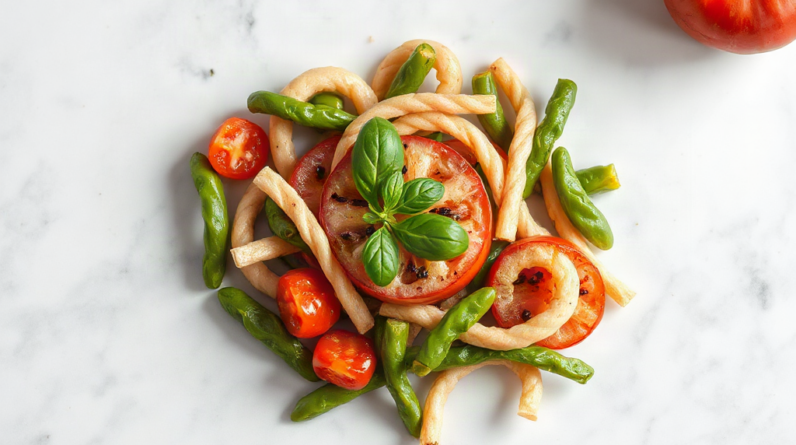
Healthy meals for picky eaters without separate cooking work best when everyone receives the same basic meal, with familiar foods, new components, sauces, and toppings served separately. Build each dinner around one accepted item, then let diners choose among a protein, grain or starchy vegetable, produce, and optional flavor additions without replacing the meal. Deconstructed tacos, grain bowls, pasta, sheet-pan dinners, and snack-style plates make this approach practical because each person can control combinations and textures. Keep portions of unfamiliar food small, avoid pressuring anyone to taste it, and watch whether the shared menu provides enough variety and nourishment over the course of a week.
How Do You Build One Meal for Everyone?
A shared dinner becomes more workable when the cook separates accommodation from replacement. Accommodation means serving the planned dish in a form that allows choice: sauce beside the pasta, vegetables in their own bowl, or sandwich fillings placed on the table. Replacement means preparing an unrelated second entrée after someone rejects dinner. The first approach preserves one menu while giving a selective eater reasonable control over flavor, texture, and combination.
Start with a familiar anchor that already belongs in the meal rather than adding a special backup food. With chicken fajitas, that anchor might be a tortilla, plain chicken, shredded cheese, or avocado. Everyone can receive the same ingredients, but nobody has to assemble them identically. A diner who dislikes mixed textures may eat the tortilla, chicken, and peppers separately, while another combines everything with salsa. This is still one dinner, not separate cooking.
A useful shared plate includes four flexible roles: a protein source, a grain or starchy vegetable, produce, and a flavor or fat component. Every dinner does not need to be nutritionally perfect. Variety across several days matters more than forcing all food groups into one sitting. Beans, eggs, fish, poultry, tofu, yogurt, cheese, or lentils can provide protein; bread, rice, potatoes, noodles, or corn can supply energy; and fruit can accompany dinner when cooked vegetables are routinely rejected.
Keep at least one accepted item available, but do not let that item automatically become an unlimited substitute for the rest of the menu. If bread is familiar, place it alongside soup rather than serving bread only after the soup is refused. Small servings also matter. A teaspoon of peas beside accepted rice looks less demanding than a large scoop touching every other food. More can be offered when wanted.
The common mistake is designing every meal around the narrowest preference in the household. That may reduce conflict briefly, but it can leave everyone else eating a repetitive menu and give the selective eater few opportunities to become familiar with other foods. The more sustainable compromise is one adaptable meal, at least one dependable component, neutral serving language, and permission to decide what and how much to eat from what is offered.
Which Family Meals Adapt Easily to Picky Eating?
Meals with components are easier to adapt than casseroles, heavily dressed salads, or dishes in which every ingredient is mixed together. Separation does not make the meal less legitimate; it changes presentation while keeping preparation shared. The best choices use one cooking method and let each diner make limited decisions at the table.
Tacos are a clear example. Cook one batch of mildly seasoned ground turkey, beef, beans, fish, or crumbled tofu, then serve tortillas, lettuce, tomato, cheese, corn, avocado, and salsa separately. A selective eater may begin with a cheese tortilla and a few pieces of protein. Other diners can build fuller tacos. Avoid removing all seasoning from the communal food merely because one person dislikes heat; keep the base mild and offer hot sauce or jalapeños separately.
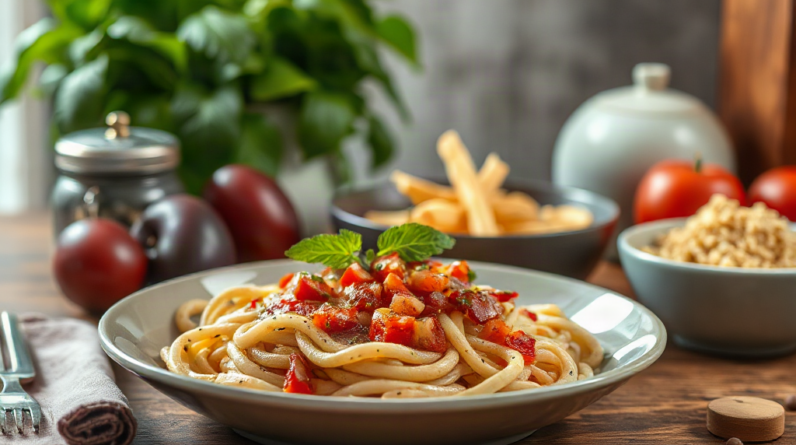
Pasta can follow the same pattern. Set aside some noodles before combining the rest with tomato sauce, pesto, or vegetables. Offer meatballs, white beans, grated cheese, peas, or roasted broccoli at the table. This requires no second pot of noodles or alternate entrée. The accepted version and the more complex version come from the same preparation.
Several formats are especially useful for shared dinners:
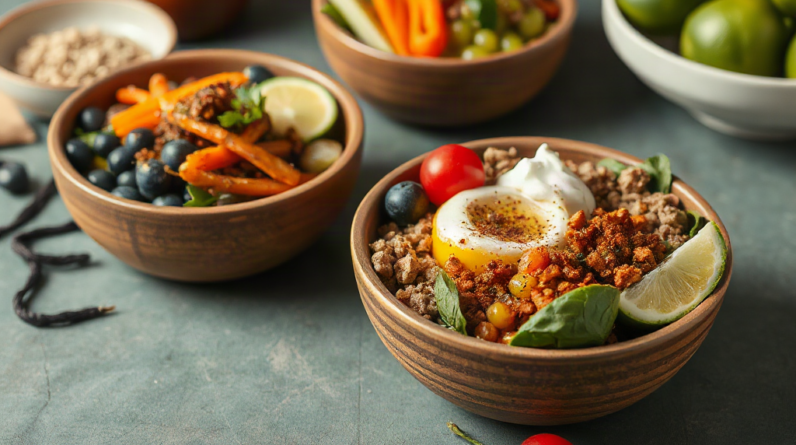
- Grain or potato bowls: Offer rice, quinoa, baked potatoes, or sweet potatoes with separate proteins, vegetables, cheese, and sauces.
- Sheet-pan meals: Roast chicken, sausage, tofu, potatoes, and vegetables in separate areas so flavors do not fully mingle.
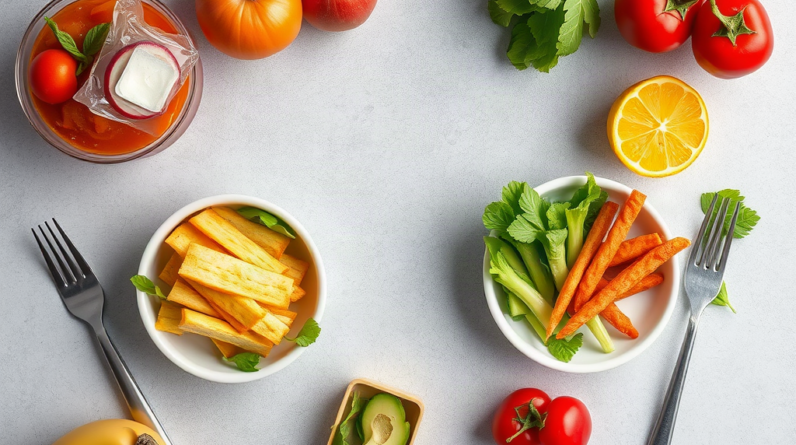
- Snack-style plates: Combine whole-grain crackers or pita, cheese or hummus, fruit, raw vegetables, and eggs or leftover meat.
- Sandwich boards: Put bread, sliced protein, cheese, cucumber, tomato, spreads, and fruit on the table for individual assembly.
Texture often explains why a seemingly suitable meal fails. A child who eats raw carrots may reject roasted carrots because softness changes the experience; someone who accepts crisp chicken may dislike shredded chicken in sauce. Offer the same ingredient in familiar and changing forms over time rather than assuming one refusal applies to every preparation.
Not every dinner needs to be deconstructed. If the household enjoys soup, curry, or lasagna, serve it with a familiar side such as bread, rice, fruit, or plain yogurt. Constant customization can become burdensome, while occasional mixed dishes maintain variety. A practical rotation alternates highly flexible meals with family favorites that offer fewer choices but still include something approachable.
How Can You Cover Nutrition When Accepted Foods Are Limited?
Nutrition should be judged by the eating pattern rather than a single sparse plate. Selective eaters often consume foods unevenly: fruit at breakfast, dairy at a snack, bread and chicken at dinner, and vegetables only occasionally. Reviewing several days reveals more than focusing on one meal that appears unbalanced.
First identify genuine gaps instead of assuming that every rejected vegetable creates a deficiency. Fruit and vegetables overlap in several nutrients, although they are not interchangeable in every respect. Dairy foods or fortified alternatives may contribute calcium and vitamin D; eggs, meat, beans, lentils, tofu, and nut or seed butters can contribute protein and other nutrients. Whole grains, beans, berries, pears, peas, and some cereals can add fiber. Product labels matter when choosing fortified foods or plant-based alternatives because their nutrient content varies.
Pair an accepted food with a modest variation that changes only one feature. If plain toast is accepted, try toast with a thin layer of peanut butter, seed butter, mashed avocado, or ricotta, accounting for allergies and age-appropriate texture. If yogurt is reliable, serve fruit beside it before mixing the two. If breaded chicken is preferred, offer a small piece of unbreaded roasted chicken on the same plate. Changing one variable is usually easier to interpret than presenting a completely unfamiliar recipe with several new textures and flavors.
Fortifying accepted dishes can be useful, but covertly hiding ingredients should not become the main plan. Adding olive oil or grated cheese to pasta, yogurt to a smoothie, or beans to a quesadilla may increase energy or nutrient variety when those additions are acceptable. Secretly blending large amounts of disliked food into a familiar dish can damage trust if discovered, and it does not help the eater recognize or tolerate that ingredient in its ordinary form.
Watch for signs that ordinary pickiness may need professional assessment. Seek guidance from a pediatrician or another qualified clinician if eating is associated with poor growth, weight loss, choking, persistent gagging, pain, swallowing difficulty, dehydration, extreme anxiety, or an exceptionally narrow range that keeps shrinking. A registered dietitian can evaluate nutritional adequacy within the person’s medical and developmental context. Family meal techniques can support routine, but they should not be treated as care for feeding disorders, allergies, gastrointestinal problems, or sensory and oral-motor difficulties.
A weak assumption is that a multivitamin automatically resolves a restricted diet. Supplements may be appropriate in some circumstances, but they do not provide the full experience or composition of varied foods and may deliver unnecessary amounts when chosen without context. Discuss specific concerns with a qualified health professional rather than using supplements as permission to stop offering variety.
How Do You Reduce Pressure and Food Waste?
Calm repetition works better than turning each bite into a negotiation. Pressure can include obvious demands, such as requiring three bites, and subtler tactics, such as praise only when a new food is eaten or dessert offered in exchange for vegetables. These practices make tasting emotionally expensive and can shift attention away from hunger, fullness, flavor, and texture.
Use neutral observations instead: “The cucumber is crisp,” or “The sauce is on the side.” A child may interact with food by serving it, smelling it, licking it, or taking a tiny taste before willingly eating a full portion. Exposure does not guarantee acceptance on a schedule, and repeated refusal is possible. The useful sign is reduced distress or greater comfort around the food, not immediate consumption.
Good Health Solution is Easier Than Most People Think! Take a Look for Yourself!
Waste stays manageable when unfamiliar foods are served in very small amounts from the household meal. Place one broccoli floret, a spoonful of lentils, or a thin slice of pear on the plate, with more available. If unwanted food remains untouched, the cost is minor. Leftover components can also be repurposed: roasted vegetables can enter an omelet, chicken can fill sandwiches, and rice can become a bowl lunch. Follow appropriate food-storage and reheating practices rather than repeatedly returning handled food to communal containers.
Choice should be bounded. Asking “What do you want for dinner?” makes the cook responsible for meeting an open-ended request. Asking “Would you like rice or a tortilla with the beans?” offers control within the meal already planned. Too many options can increase decision fatigue and turn dinner into a made-to-order service.
Check whether the routine is succeeding after a few weeks. Useful signals include fewer arguments, the ability to remain at the table near unfamiliar food, acceptance of different brands or preparations, and a slowly expanding range of tolerated items. Warning signs include an accepted-food list that continues to contract, distress before meals, skipped meals followed by frantic grazing, or caregivers making increasingly elaborate replacements.
Hunger manipulation is another failure mode. Withholding snacks for an excessive period may make a diner irritable rather than adventurous. A predictable rhythm of meals and planned snacks generally gives appetite a chance to develop without using hunger as leverage. Water between eating times may be reasonable, while frequent grazing or calorie-containing drinks can reduce interest at meals. Individual schedules and medical needs differ, so rigid timing is not appropriate for everyone.
A Practical Weekly Shared-Meal Plan
A workable plan repeats ingredients without repeating the exact dinner. This reduces cost and preparation while allowing several presentations of the same food. Choose two proteins, two starches, several produce options, and two sauces or toppings for the week, then combine them differently. The goal is not a complicated menu; it is a small set of components that can move between meals.
| Shared meal | Familiar anchor | Flexible additions | Next-day use |
|---|---|---|---|
| Chicken and vegetable sheet pan | Potatoes or bread | Chicken, peppers, zucchini, dip | Chicken sandwiches |
| Bean or meat tacos | Tortilla and cheese | Lettuce, corn, avocado, salsa | Rice bowls |
| Pasta night | Plain noodles | Tomato sauce, peas, meatballs, cheese | Pasta lunch boxes |
| Baked potato bar | Plain potato | Beans, broccoli, yogurt, cheese | Breakfast potato hash |
| Egg and toast supper | Toast or fruit | Eggs, spinach, tomato, avocado | Egg sandwiches |
Before shopping, identify which component each selective eater is likely to accept at every planned dinner. That does not mean seeking advance approval for the whole menu. It means noticing that taco night includes a tortilla, sheet-pan night includes potatoes, and pasta night includes noodles. If no component is currently manageable, adjust the meal during planning rather than scrambling after it is served.
Preparation should preserve flexibility until late in the process. Reserve some plain rice before adding herbs, keep dressing off the salad, and place strong sauces at the table. This differs from cooking every ingredient without flavor. Season the shared components in broadly acceptable ways, then let diners add sharper, hotter, or more complex flavors themselves.
Do not introduce a new recipe, unfamiliar protein, unfamiliar side, and unfamiliar sauce simultaneously. A better trial might pair a new salmon preparation with known rice and cucumber, or serve lentil pasta with a familiar sauce and fruit. If the meal is rejected, fewer changing variables make the reason easier to understand.
The plan is failing if “flexibility” produces six opened packages, extensive food waste, or constant short-order requests. Simplify to two or three table choices and reuse leftovers deliberately. A shared-meal system should lower the cook’s workload while maintaining exposure and adequate options; if it creates more labor than separate dinners, the boundaries need tightening.
Conclusion
One household menu is realistic when meals are designed with flexible components rather than last-minute substitutes. Plan an accepted anchor into each dinner, keep stronger sauces and mixed toppings optional, and introduce change in small amounts so the cook can identify which flavors or textures cause difficulty. Tacos, bowls, pasta, baked potatoes, and sheet-pan combinations are particularly efficient because they accommodate different preferences from the same ingredients.
Start by choosing three adaptable dinners for the coming week and naming the familiar component in each. Buy enough to reuse proteins, grains, and produce in lunches or another dinner, which limits waste and preparation. Track progress through calmer meals and broader tolerance, not forced bites. If restriction affects growth, comfort, swallowing, or daily functioning, move beyond household strategies and seek individualized clinical or nutrition guidance.
Frequently Asked Questions
Should a picky eater be required to take one bite?
A required bite can increase tension or gagging for some people. Offer a very small portion without pressure and allow tasting to remain voluntary, especially when sensory discomfort or feeding concerns are present.
What if the picky eater refuses the entire dinner?
Stay neutral and avoid immediately cooking a preferred replacement. If your routine includes a later planned snack, serve the usual snack rather than creating a special reward meal.
Is serving foods separately the same as making a separate meal?
No. Separating components changes presentation but uses the same ingredients prepared for everyone. A separate meal requires additional ingredients or cooking unrelated to the shared menu.
Can fruit replace vegetables at dinner?
Fruit can be a useful produce option and shares some nutrients with vegetables, but it should not permanently end vegetable exposure. Continue offering small vegetable portions in varied preparations without making them a condition for dessert.
When does picky eating need professional help?
Consult a qualified health professional when eating involves weight or growth concerns, pain, choking, frequent gagging, swallowing problems, nutritional deficiencies, severe distress, or a food range that keeps narrowing.
Further Reading
Authoritative Sources
- MyPlate for Kids
myplate.govUSDA resources provide practical context for building varied meals from major food groups for children and families
- Nutrition Resources for Families
healthychildren.orgThe American Academy of Pediatrics offers parent-focused information about child nutrition, meals, and feeding concerns
- Foods and Drinks for Young Children
cdc.govCDC guidance covers age-appropriate food variety and feeding considerations for infants and young children
 Good Health Solution is Easier Than Most People Think! Take a Look for Yourself!