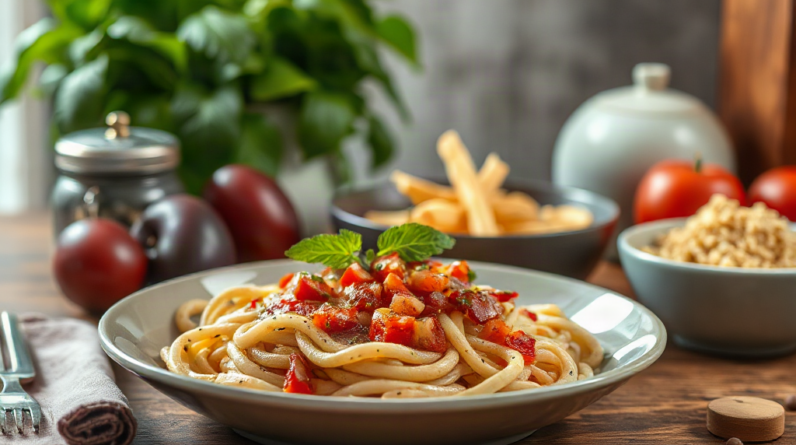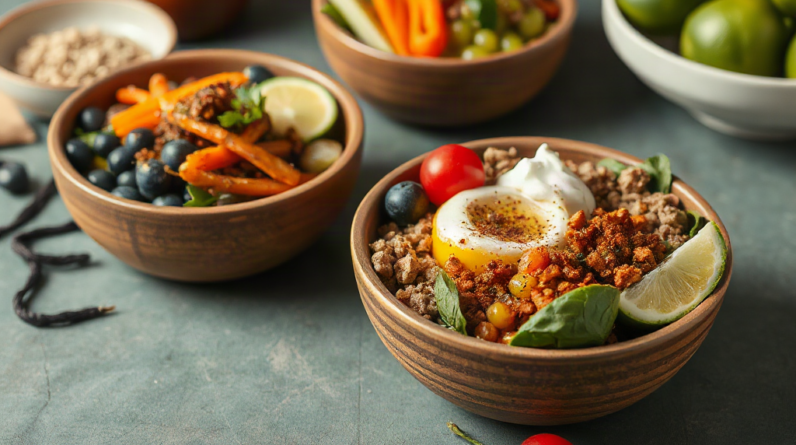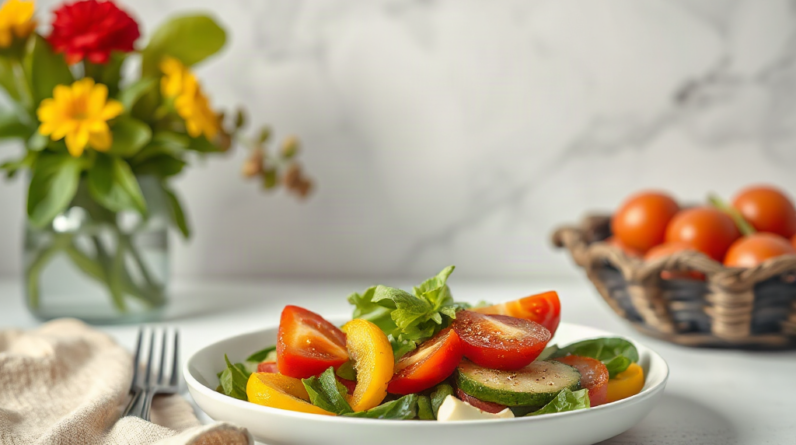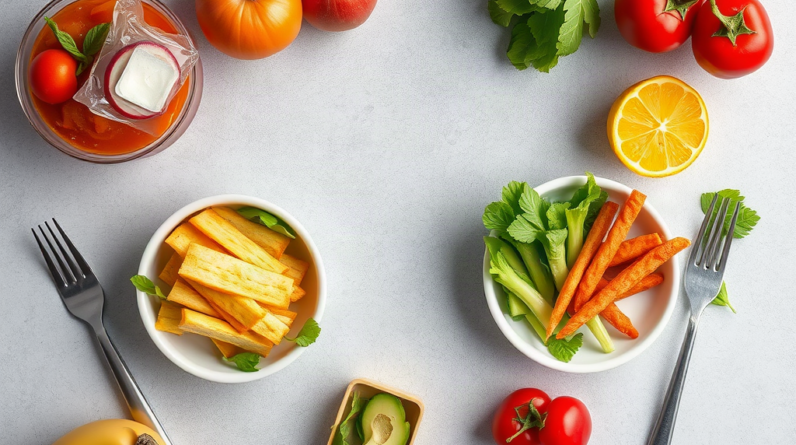
Healthy lunches for satisfying workdays combine a substantial protein source, fiber-rich carbohydrates, vegetables or fruit, and enough flavor and fat to make the meal enjoyable. Practical combinations include lentil grain bowls, chicken wraps, egg snack boxes, bean salads, and leftovers packed in portions that match your appetite. Choose foods that hold their texture, use an insulated bag when refrigeration is unavailable, and pack dressings separately to prevent sogginess. A useful work lunch should carry you through the afternoon without being so heavy that it causes discomfort, while remaining realistic for your schedule, budget, storage options, and access to a microwave.
What Makes a Work Lunch Satisfying?
A satisfying work lunch needs enough substance to match the hours between lunch and the next planned meal. A small green salad may look nutritious, but lettuce, cucumber, and a light dressing provide little protein or lasting energy on their own. A more complete version adds chickpeas or chicken, a whole-grain roll or cooked grain, and a flavorful dressing. The goal is not to follow a rigid formula; it is to avoid packing a meal that leaves a major nutritional and practical gap.
Protein and fiber are especially useful building blocks because they tend to make a meal more substantial. Protein can come from eggs, fish, poultry, tofu, yogurt, cheese, lentils, or beans. Fiber-rich choices include vegetables, fruit, legumes, and whole grains. Fat from olive oil, avocado, nuts, seeds, cheese, or tahini contributes flavor and richness. Portions still depend on appetite, activity, body size, and what else a person eats during the day, so a standard container should not be treated as a universal serving prescription.
Texture and flavor affect satisfaction too. A nutritionally varied lunch may remain untouched if it is watery, bland, or awkward to eat at a desk. Contrast makes packed food more appealing: pair soft beans with crisp peppers, creamy yogurt with berries and seeds, or roasted vegetables with a sharp lemon dressing. Acidic ingredients, herbs, spice blends, pickles, and sauces can add interest without requiring a completely different menu each day.
Work conditions determine which lunch is genuinely practical. Someone with ten minutes between appointments may do better with a wrap and an easy-to-open fruit than with a grain bowl requiring assembly. A construction worker without a microwave needs different options from an employee with access to a refrigerator and break room. Consider four constraints before choosing a meal: available eating time, cold storage, reheating access, and whether utensils are convenient.
A common mistake is assuming that a light lunch automatically produces a more productive afternoon. Too little food can leave some people distracted or hungry, while a very large or unusually rich meal may feel uncomfortable. Notice what happens between lunch and the end of the workday. If you regularly search for snacks within an hour, increase the lunch’s protein, fiber-rich carbohydrate, or total portion. If the meal feels excessively heavy, reduce the richest component rather than stripping the lunch down to vegetables alone.
Nine Practical Lunch Combinations
Reliable lunch combinations use interchangeable components rather than complicated recipes. Each option below can be adjusted for dietary preferences, budget, appetite, and available leftovers. The best choice is the one that remains pleasant after storage and fits the way you actually take a break.
- Lentil and roasted vegetable bowl: Combine cooked lentils, roasted carrots or cauliflower, brown rice, greens, and lemon-tahini sauce. Lentils provide protein and fiber, while the grain makes the bowl more substantial. Keep the sauce separate if packing the night before.
- Chicken hummus wrap: Fill a whole-grain tortilla with sliced chicken, hummus, shredded cabbage, cucumber, and herbs. Cabbage holds its texture better than delicate lettuce. For a meat-free version, use baked tofu or mashed chickpeas.
- Egg and whole-grain snack box: Pack hard-cooked eggs, whole-grain crackers, cherry tomatoes, snap peas, and a piece of fruit. This works well when meetings make a seated lunch unlikely, although perishable foods still require reliable cold storage.
- White bean pasta salad: Mix short whole-grain pasta with white beans, tomatoes, arugula, olives, and vinaigrette. The beans make pasta salad more filling than a version based mostly on noodles and dressing. Pack arugula separately if you prefer it crisp.
- Salmon potato plate: Pair cooked salmon with baby potatoes, green beans, and a mustard-yogurt sauce. It is a useful way to repurpose dinner, but fish may not suit a shared office microwave. Eat it cold when properly stored or choose another leftover for enclosed workplaces.
- Tofu noodle bowl: Combine baked tofu, soba or other noodles, edamame, shredded carrots, and sesame-lime dressing. Drain wet vegetables well so the bowl does not become diluted during storage.
- Greek-style chickpea salad: Pack chickpeas, cucumber, tomato, bell pepper, feta, olives, and pita. Add the tomato shortly before leaving home or use whole cherry tomatoes to limit excess moisture.
- Turkey and avocado sandwich: Layer turkey, avocado, tomato, and spinach on sturdy whole-grain bread. Place spinach between the bread and wetter ingredients to slow sogginess. Mustard travels better than a generous amount of thin dressing.
- Yogurt, oat, and fruit bowl: Use plain Greek-style yogurt or another protein-rich yogurt with rolled oats, berries, nuts, and seeds. This can be suitable for people who prefer a cold, lightly sweet lunch, but a small yogurt cup alone may not be enough for a long afternoon.
These combinations are templates, not nutritional promises. Allergies, digestive needs, medical conditions, cultural preferences, and individual energy requirements can change what is appropriate. People following a medically prescribed eating plan should adapt lunch choices with guidance from a qualified clinician or registered dietitian rather than treating a general meal list as treatment advice.
Cost can be controlled by centering several lunches on beans, eggs, seasonal produce, and leftovers. Convenience products such as prewashed greens, cooked grains, or rotisserie chicken may save time but often cost more. A mixed approach is usually more workable than insisting everything be prepared from scratch: use one convenience item where it removes the biggest obstacle, then combine it with economical staples.
How Should You Pack Lunch for Work?
Good packing protects both food quality and food safety. Perishable lunches need dependable refrigeration or an insulated lunch bag with sufficient cold packs. Leaving meat, dairy, eggs, cooked grains, or cut produce at room temperature for an extended period is not a sound tradeoff for convenience. Follow current FoodSafety.gov guidance for temperature control and discard questionable food rather than relying on smell or appearance alone.
Container choice should match the meal. A divided box keeps crackers away from wet vegetables, while a leak-resistant jar suits soup or dressing. Wide, shallow containers help reheated food warm more evenly than a tightly packed deep container. Microwave only in containers identified as suitable for that use, loosen the lid to vent, and stir food during heating when possible. If the workplace microwave is crowded or unavailable, choose a lunch designed to be eaten cold rather than hoping a hot meal will be practical.
Moisture is the main reason packed lunches lose their appeal. Cool cooked ingredients before sealing them so trapped steam does not soften everything. Dry washed greens thoroughly, pack sauces separately, and place wet fillings away from bread. For a grain bowl, put dressing at the bottom, sturdy vegetables and protein in the middle, and greens on top. For sandwiches, use lettuce or cheese as a barrier around tomato, pickles, or other moist fillings.
A compact packing check prevents common failures:
- Temperature: Is there a refrigerator, or does the bag contain adequate cold packs?
- Texture: Are sauces and crunchy components separated until eating?
- Portion: Does the amount match the length and demands of the afternoon?
- Access: Are utensils, napkins, and any needed opener included?
- Timing: Can the meal be eaten within the break actually available?
Food odors and workplace etiquette also deserve attention. Reheating fish, heavily spiced food, or sulfurous vegetables may be acceptable at home but disruptive in a small shared room. A cold salmon salad could solve the microwave issue, while a chicken, bean, or tofu lunch may be the easier choice in close quarters. The practical winner is not necessarily the most elaborate meal; it is the option that can be stored, opened, eaten, and cleaned up without turning lunch into another task.
Good Health Solution is Easier Than Most People Think! Take a Look for Yourself!
How Can You Build a Repeatable Lunch Routine?
A repeatable routine begins with components that can serve more than one lunch. Preparing five unrelated recipes creates unnecessary shopping and cleanup. Instead, cook one protein or legume, one grain or starchy vegetable, and a tray of vegetables, then change the format and sauce. Roasted vegetables and chickpeas can become a grain bowl on Monday, a pita filling on Tuesday, and a salad topping on Wednesday.
Plan around the foods that deteriorate fastest. Delicate greens and cut avocado are better used early, while cabbage, carrots, cooked grains, and many roasted vegetables generally hold their texture longer. Freeze extra portions of soup, chili, or cooked grains when suitable rather than expecting every prepared item to remain appealing all week. Label containers with the preparation date, and follow current official storage guidance instead of assuming all leftovers have the same usable window.
A realistic preparation session can be divided into four moves. First, check the work calendar for lunches out, travel days, and short breaks. Second, choose two lunch formats rather than five—for example, bowls and wraps. Third, prepare shared ingredients and one or two sauces. Fourth, assemble only the meals that will retain their quality; keep wetter elements separate for later assembly. This approach provides variation without multiplying labor.
Backup food protects the routine when preparation falls through. Shelf-stable options such as low-sodium bean or lentil soup, tuna or salmon pouches, whole-grain crackers, nuts, and fruit can form an emergency desk lunch, provided workplace storage and personal dietary needs allow them. A frozen homemade portion at home can also prevent an expensive rushed purchase. Check package labels when sodium, added sugar, allergens, or other dietary factors matter to you.
The routine is working when lunches are eaten, afternoon hunger is manageable, food waste decreases, and packing does not consume an unreasonable part of the evening. It is failing when containers repeatedly return untouched, produce spoils, or every meal needs last-minute assembly. Adjust the friction point rather than abandoning packed lunches entirely. Buy pre-cut vegetables if chopping is the barrier, use leftovers if cooking separate lunch food is unrealistic, or plan two packed lunches per week instead of five. Consistency built around actual workdays is more useful than an ambitious plan that survives only briefly.
Frequently Asked Questions
What can I pack for lunch without a microwave?
Try a chickpea salad, chicken wrap, cold noodle bowl, egg snack box, or yogurt bowl. Use an insulated bag and cold packs for perishable ingredients when a refrigerator is unavailable.
How do I keep a packed lunch from getting soggy?
Cool cooked food before sealing it, dry produce well, separate dressings, and place moisture barriers such as greens or cheese between bread and wet fillings.
What should I add if my lunch does not keep me full?
Increase the portion or add a substantial protein, legumes, whole grains, fruit, vegetables, nuts, or seeds. Change one component at a time and assess how you feel through the afternoon.
Are leftovers a good work lunch?
Leftovers are practical when cooled, refrigerated, transported, and reheated safely. Choose foods that retain their texture, and avoid bringing strongly scented dishes when they may disrupt a shared workplace.
How can I make work lunches less expensive?
Build lunches around beans, lentils, eggs, seasonal produce, cooked grains, and planned dinner leftovers. Use convenience foods selectively where they save enough time to prevent waste or takeout spending.
Conclusion
Work lunches become easier when satisfaction, storage, and schedule are treated as equally important. Choose a dependable protein, add fiber-rich produce and carbohydrates, include a flavorful element, and size the portion for your actual afternoon. Then protect the meal with suitable containers, cold storage, and separation of wet and crisp ingredients.
Start with two formats that suit your workplace, such as a grain bowl and a wrap, and reuse several prepared components across both. Track simple signals for a week: whether you eat the lunch, how soon hunger returns, what gets wasted, and how much preparation feels sustainable. Those observations are more useful than copying a fixed menu. If a health condition, allergy, or prescribed diet affects food choices, seek individualized guidance and adapt these ideas rather than relying on a general template.
For additional planning and food-handling guidance, consult USDA MyPlate for food-group examples and FoodSafety.gov for current information about storing, transporting, and reheating packed meals safely.
 Good Health Solution is Easier Than Most People Think! Take a Look for Yourself!