Healthy living skills for planning balanced meals combine a flexible plate plan with realistic shopping, preparation, and portion decisions. Build most meals from vegetables or fruit, a protein source, a fiber-rich carbohydrate, and an appropriate fat, then adjust the amounts for appetite, activity, health needs, and available food. Repeating a few adaptable meal patterns reduces decision fatigue without requiring identical menus or strict tracking. The plan is working when meals are satisfying, varied, affordable, and practical enough to repeat; frequent hunger, wasted ingredients, or skipped meals signal that portions, preparation, or scheduling need adjustment.
What Makes a Meal Balanced in Practice?
A balanced meal combines food groups that perform different jobs rather than relying on one supposedly perfect ingredient. Vegetables and fruit contribute fiber and a range of vitamins and minerals. Protein foods supply amino acids and often add iron, zinc, or calcium, depending on the choice. Whole grains, beans, starchy vegetables, and other carbohydrate foods provide energy, while nuts, seeds, avocado, oils, and fatty fish can contribute unsaturated fats.
Balance does not require every plate to contain the same proportions. A bowl of lentil soup with whole-grain bread and fruit can be as workable as chicken, brown rice, and roasted vegetables. A breakfast of plain yogurt, oats, berries, and walnuts also covers several nutritional roles even though it does not resemble a dinner plate. The useful question is whether the meal supplies lasting energy, meaningful protein, plant foods, and enough total food for the person eating it.
Portions should respond to appetite, activity, age, body size, and personal health needs. A physically demanding workday may call for more rice, bread, potatoes, or another energy source than a quiet day. Someone who becomes hungry soon after breakfast may need more protein, fiber, fat, or total food—not greater willpower. Conversely, rigidly adding every food category can create portions that feel excessive when appetite is low.
Whole and minimally processed foods are useful foundations, but processing is not a reliable measure of nutritional value by itself. Frozen vegetables, canned beans, tinned fish, whole-grain bread, tofu, and unsweetened yogurt are processed foods that can make balanced meals easier. The practical comparison is between products: canned beans with modest sodium and a useful fiber content serve a different role from a highly sweetened snack with little protein or fiber.
A common failure is treating balance as a test that each meal must pass. Nutrition patterns accumulate across the day and week. If lunch lacks vegetables because none were available, fruit at a snack and extra vegetables at dinner can broaden the day’s intake. People managing allergies, digestive conditions, diabetes, kidney disease, pregnancy-related needs, or a history of disordered eating may require individualized advice from a registered dietitian or other qualified clinician rather than a standard plate formula.
How Do You Build a Flexible Plate Plan?
A flexible plate plan begins with meal components, not seven unrelated recipes. Choose a protein, at least one plant food, an energy-rich carbohydrate, and a flavor or fat component. That structure can produce many combinations while keeping planning manageable. It also makes substitutions easier when an ingredient is unavailable or too expensive.
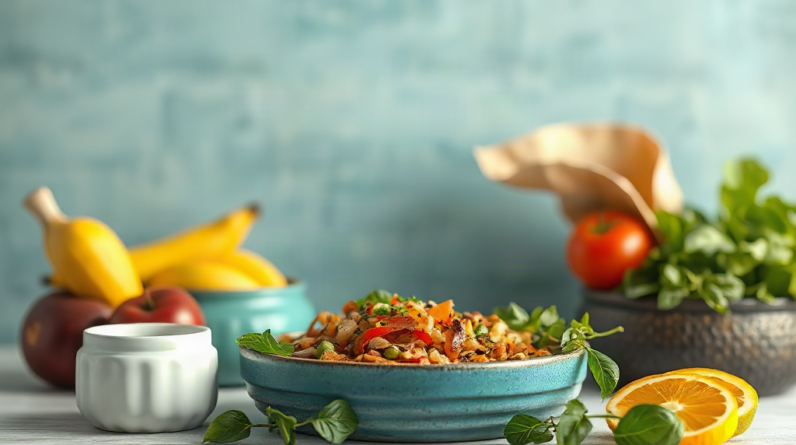
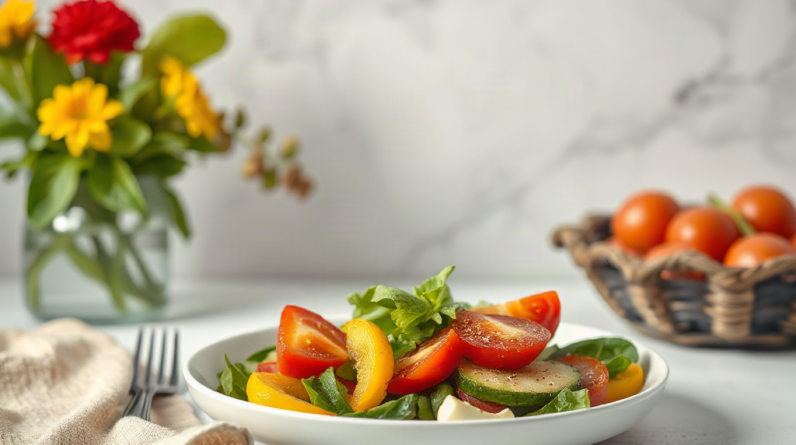
Use a visual plate as a starting point rather than a prescription. A substantial share of the plate can come from vegetables or fruit, with the remaining space divided between protein and grains or starchy vegetables. Add fats through cooking oil, dressing, nuts, seeds, cheese, avocado, or the protein itself. Mixed dishes can follow the same logic: a bean-and-rice bowl becomes more complete with peppers, cabbage, salsa, and a spoonful of yogurt or guacamole.
A compact planning sequence keeps the method practical:
- Choose the meal anchor. Pick beans, eggs, fish, poultry, tofu, yogurt, or another protein that suits your needs.
- Add produce. Use fresh, frozen, canned, or leftover vegetables and fruit according to cost and convenience.
- Select an energy source. Consider oats, bread, pasta, rice, corn, potatoes, or another grain or starchy food.
- Plan flavor and texture. Include herbs, spices, sauces, citrus, seeds, or a suitable fat so the meal is appealing.
- Check feasibility. Confirm that time, equipment, cooking skill, and ingredient shelf life match the day.
Planning three meal patterns is often more sustainable than assigning a unique recipe to every day. For example, select one grain bowl, one soup or stew, and one tray meal. Change the protein, vegetables, or seasoning within each pattern. Cooked chickpeas might become a Mediterranean-style bowl one day and a tomato-based stew later, reducing waste without making the meals feel identical.
Strict variety can be counterproductive if it requires too many ingredients and long preparation sessions. Repetition improves efficiency, while small changes preserve interest. A plan is failing when ingredients have only one use, weeknight recipes routinely take longer than expected, or meals leave people searching for snacks immediately afterward. Correct the specific problem: simplify the recipe, increase the portion, add a more substantial protein or carbohydrate, or schedule an intentional snack.
How Do You Turn Planned Meals Into a Shopping List?
An effective shopping list converts the plate plan into quantities and shared ingredients. Start by checking the refrigerator, freezer, and pantry. Then assign ingredients to planned meals and note where one purchase can serve more than one purpose. Spinach might go into omelets, pasta, and a bean soup; carrots can be roasted, eaten raw, or added to a stew.
Organize the list around functional groups rather than walking into the store with recipe names alone. Record proteins, vegetables and fruit, grains or starchy foods, dairy or alternatives, flavor ingredients, and backup foods. This reveals gaps before checkout. A list containing pasta, rice, and bread but no planned protein, for example, signals that several meals may be less filling than intended.
| Planning Role | Primary Choice | Practical Backup |
|---|---|---|
| Protein | Chicken, tofu, eggs, or fresh fish | Canned beans, lentils, or tinned fish |
| Vegetables | Seasonal fresh produce | Frozen vegetables or lower-sodium canned options |
| Fruit | Fresh fruit for the week | Frozen fruit or fruit canned in juice |
| Carbohydrate | Whole-grain bread, rice, or potatoes | Oats, pasta, tortillas, or frozen cooked grains |
| Flavor | Fresh herbs, citrus, or yogurt sauce | Dried spices, vinegar, mustard, or jarred sauce |
Budget planning works better when cost is considered per usable meal, not only per package. A larger container is not economical if part of it spoils. Frozen produce may cost more than a seasonal fresh item but less than repeatedly discarding wilted vegetables. Beans, eggs, peanut butter, lentils, and canned fish can broaden protein options, although allergies, sodium needs, cultural preferences, and household tastes affect which choices are suitable.
Good Health Solution is Easier Than Most People Think! Take a Look for Yourself!
Keep one or two shelf-stable meals available for disruptions. Whole-grain pasta with canned tomatoes, beans, and frozen spinach requires little planning. Oatmeal with shelf-stable milk, nut or seed butter, and frozen fruit can cover a rushed breakfast. These are not inferior emergency meals; they protect the plan when work runs late, transportation fails, or fresh ingredients run out.
Buying aspirational foods is a frequent mistake. If raw kale repeatedly goes unused, choose frozen spinach, bagged slaw, or a vegetable the household already eats. A successful list reflects actual behavior while making modest improvements. Signs of progress include fewer unplanned store trips, less spoilage, and enough interchangeable ingredients to assemble a meal when the original recipe no longer fits the day.
How Can the Plan Adapt to Real Life?
A workable meal plan includes different effort levels because time and energy are not constant. Label planned meals as quick, moderate, or preparation-heavy. Put quick options on demanding days and reserve longer cooking for periods when the schedule allows it. Planning a complicated dinner after a late shift is not ambitious if it predictably ends in takeout and spoiled groceries; it is a mismatch between the plan and the constraint.
Convenience foods can close that gap without abandoning balance. Rotisserie chicken, pre-cut vegetables, microwaveable brown rice, bagged salad, hummus, canned lentils, and frozen meals can all play a role. When comparing packaged meals, look at the whole combination: does it provide a meaningful protein source, include vegetables, and contain enough food to satisfy? A frozen entrée may become a more complete meal when paired with frozen broccoli and fruit. Product labels can also help people compare sodium, added sugars, fiber, and allergens, but no single number defines the quality of an entire diet.
Preparation should target bottlenecks rather than fill every container for the week. If mornings are rushed, prepare overnight oats or portion yogurt and fruit. If dinner is the weak point, cook one protein, one grain, and a tray of vegetables that can be recombined. Food safety and storage life still matter: cool cooked food promptly, refrigerate it in suitable containers, and freeze portions that are unlikely to be eaten soon rather than assuming all prepared dishes will last an entire week.
Households with different preferences can use a shared base. Serve tacos, grain bowls, baked potatoes, or pasta with components placed separately, allowing each person to choose suitable toppings. This is often more practical than preparing entirely different dinners. For vegetarian and mixed-diet households, beans or tofu and cooked meat can be separate additions to the same vegetables and grain.
Review the plan using evidence from daily life. Persistent afternoon fatigue or hunger may indicate an undersized lunch, though sleep, stress, medications, and health conditions can also contribute. Repeated leftovers may mean portions are too large or planned meals are being displaced. A plan that works usually produces predictable groceries, acceptable preparation time, satisfying meals, and limited waste. Adjust one variable at a time so the effect is visible rather than replacing the whole system after one difficult week.
Frequently Asked Questions
Does every meal need all food groups?
No. Aim for a varied pattern across the day and week. A meal missing one component can be balanced by another meal or snack, provided individual medical needs do not require a more specific schedule.
How many meals should I plan at once?
Plan only as far ahead as your schedule and food storage allow. Many households benefit from choosing several dinners and keeping flexible breakfast, lunch, and backup options rather than assigning every meal precisely.
Can frozen and canned foods fit a balanced plan?
Yes. Frozen produce, canned beans, tinned fish, and other convenient foods can reduce waste and preparation time. Compare labels when sodium, added sugar, or allergens are relevant to you.
What should I do if planned meals do not keep me full?
Check the meal’s total amount and whether it contains protein, fiber-rich carbohydrates, and fat. Increase an appropriate component gradually, while considering sleep, activity, medication, and health factors that may affect appetite.
Is meal preparation required for balanced eating?
No. Preparation can mean washing fruit, cooking one grain, or keeping useful convenience foods available. The right amount is the smallest effort that reliably makes suitable meals easier during busy periods.
Conclusion
Reliable meal planning comes from matching nutritious components to the way a household actually shops, cooks, and eats. Prioritize a useful protein, vegetables or fruit, an energy-providing carbohydrate, and enough flavor and fat to make the meal satisfying. Build several adaptable meal patterns, purchase ingredients with more than one use, and keep realistic backups for disrupted days.
Test the plan against practical outcomes rather than perfection. Frequent hunger calls for a closer look at portions and meal composition; discarded produce points to purchasing or scheduling problems; repeated cooking avoidance suggests the recipes demand too much time or effort. Make one adjustment for the next shopping cycle and observe whether it reduces that specific problem. People with medical conditions, restrictive diets, allergies, pregnancy-related needs, or eating-disorder concerns should adapt general plate guidance with qualified professional support.
 Good Health Solution is Easier Than Most People Think! Take a Look for Yourself!