Three practical steps for eating healthier each week are to plan a small set of meals, stock versatile whole-food ingredients, and improve the balance of foods already on your plate. Choose meals that fit your actual schedule, then buy vegetables, fruit, whole grains, protein foods, and convenient backups that can be used more than once. At meals, add produce and a satisfying protein source before worrying about restrictive rules. Review what was eaten or wasted at the end of the week, and adjust the next plan accordingly.
Step 1: How Do You Plan Meals Around Your Real Week?
A useful weekly food plan begins with the calendar rather than an idealized menu. Check which evenings allow time to cook, which days require packed lunches, and when appointments, commuting, caregiving, or late work could disrupt dinner. Planning seven elaborate dinners when only three evenings are open creates waste and makes takeout feel like a failure. A more realistic plan might include two cooked dinners, two leftover nights, two quick assembled meals, and one flexible meal away from home.
Limit the first planning session to a few decisions. Select two or three main meals, decide which one will produce leftovers, and identify breakfasts or lunches that can repeat without becoming burdensome. Repetition reduces the number of ingredients to buy and the number of choices required during a busy day. For example, roasted chicken or tofu can appear in a grain bowl one evening and in a vegetable wrap the next day. Cooked brown rice can accompany dinner, become a lunch bowl, or be frozen for another week.
Plan according to effort as well as nutrition. A meal containing several wholesome ingredients may still be impractical if it requires an hour of chopping on the busiest night. Place higher-effort cooking on a day with more time and reserve faster options for constrained days. Eggs with whole-grain toast and tomatoes, canned-bean tacos with shredded cabbage, or frozen vegetables added to pasta can be more workable than an ambitious recipe that never gets made.
A short planning checklist keeps the process specific:
- Mark schedule constraints: Identify late nights, meals away, and days when food must travel.
- Choose a few anchors: Pick two or three dinners and one dependable breakfast or lunch.
- Assign leftovers: Decide when extra portions will be eaten or frozen.
- Name one backup: Keep a fast meal available for an unexpected change.
The common mistake is treating planning as a promise that every meal will happen exactly as written. It is better used as a decision aid. If plans change, move a freezer-friendly meal to next week, cook perishable foods first, and use shelf-stable ingredients later. A sound plan leaves room for fatigue, social meals, and changing appetites instead of depending on perfect compliance.
Step 2: Which Versatile Foods Should You Keep Available?
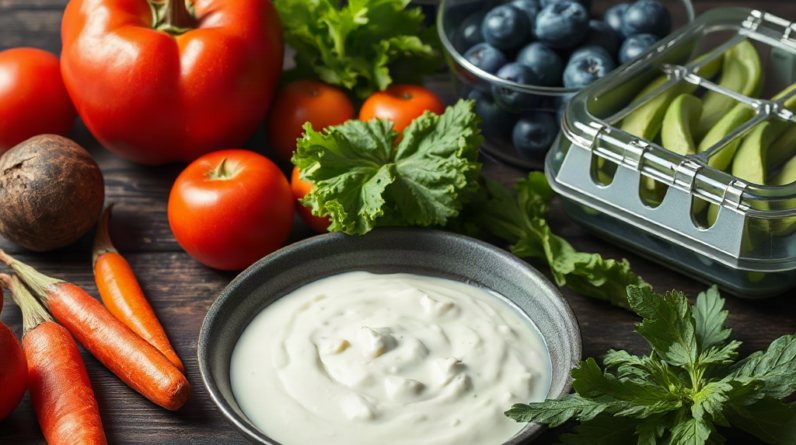
Versatile ingredients make healthier choices easier because they can become several different meals before they spoil. A practical shopping list combines fresh foods with frozen, canned, dried, and refrigerated staples. Fresh produce offers variety, while frozen vegetables, canned beans, tinned fish, whole grains, eggs, yogurt, tofu, nuts, and seeds can cover days when cooking time or fresh inventory is limited.
Choose foods by function rather than by whether they carry a health-focused label. A useful weekly supply includes produce, protein foods, fiber-rich starches, and ingredients that provide flavor. Broccoli, carrots, spinach, apples, berries, lentils, chicken, eggs, plain yogurt, oats, brown rice, whole-grain bread, olive oil, herbs, and unsalted nuts are examples, not a mandatory list. Preferences, cultural food traditions, allergies, medical needs, cooking equipment, and budget should determine the final choices.
Convenience and nutritional value are not opposites. Frozen vegetables are already cleaned and cut, canned beans can be rinsed and used immediately, and prewashed greens may prevent an unused head of lettuce from being discarded. These options may cost more per package or contain added sodium, sauces, or sugar, so compare labels when those details matter to you. The better purchase is often the food that will actually be prepared and eaten, not the theoretically ideal ingredient that repeatedly spoils.
Build overlap into the shopping list. A bag of frozen peppers can go into scrambled eggs, bean tacos, or a rice bowl. Plain yogurt can accompany fruit, form the base of a savory sauce, or replace part of a richer topping. Canned chickpeas can be added to salad, roasted as a snack, or mashed into a sandwich filling. Ingredient overlap preserves flexibility without forcing every meal to taste alike.
Keep one backup meal that requires little preparation and has a long storage life. Whole-grain pasta with canned tomatoes, white beans, and frozen spinach is one example. Peanut or seed butter on whole-grain toast with fruit is another, depending on allergies and individual needs. The usual failure mode is buying only aspirational fresh ingredients and having no workable option when time disappears. A mixed pantry and freezer reduce that gap while still allowing fresh foods to play a central role.
Step 3: How Can You Build More Balanced Meals?
Balanced meals are easier to assemble when you look for food groups rather than calculate every nutrient. Begin with vegetables or fruit, add a protein food, include a grain or other starchy food when appropriate, and use a source of fat or flavor that makes the meal satisfying. This is a flexible assembly method, not a prescription for identical portions or a treatment plan.
Each component serves a practical purpose. Produce adds variety, texture, and nutrients such as fiber, vitamins, and minerals. Protein foods—including beans, lentils, eggs, fish, poultry, tofu, dairy foods, nuts, and seeds—can make a meal more substantial. Whole grains and starchy vegetables provide useful energy, while fats found in foods such as nuts, seeds, avocado, fish, and plant oils add flavor and help meals feel complete. Individual needs vary, particularly during pregnancy, athletic training, older age, or management of a medical condition.
Improving an existing meal is often more sustainable than replacing it. If lunch is a turkey sandwich, add tomato or leafy greens and serve it with fruit rather than inventing an entirely new lunch. If dinner is pasta, mix in spinach, mushrooms, peas, or white beans and consider a whole-grain variety if you enjoy it. If breakfast is sweetened cereal, combining it with a less-sweet whole-grain cereal and adding berries or nuts may be a more acceptable transition than abruptly banning it.
Use the following table as an assembly prompt rather than a rigid portion formula:
| Meal component | Practical options | Easy weekly use |
|---|---|---|
| Vegetables or fruit | Fresh, frozen, canned, or dried varieties | Add berries to oats or frozen vegetables to dinner |
| Protein food | Beans, eggs, fish, poultry, tofu, yogurt, nuts | Prepare one option for two different meals |
| Grain or starchy food | Oats, brown rice, whole-grain bread, potatoes | Cook extra and refrigerate or freeze portions safely |
| Flavor or fat | Herbs, spices, hummus, seeds, olive oil | Change seasonings to vary repeated ingredients |
Do not judge balance from a single meal. A light breakfast can be followed by a more substantial lunch, and a celebration meal does not erase the pattern established during the rest of the week. The more useful question is whether meals regularly contain enough variety and satisfaction to fit your day. If persistent hunger, fatigue, digestive symptoms, food anxiety, or a medical condition complicates eating, individualized advice from a registered dietitian or another qualified clinician may be more appropriate than further self-restriction.
Good Health Solution is Easier Than Most People Think! Take a Look for Yourself!
How Do You Know Whether the Three Steps Are Working?
A weekly review should examine usability, waste, satisfaction, and variety rather than body weight alone. Notice which meals were prepared, which ingredients remained unused, when hunger returned quickly, and where the schedule caused the plan to break down. These observations reveal whether the system fits daily life. They do not require detailed food tracking unless tracking is useful and does not create stress.
Signs of a workable approach include using most perishable groceries, having an acceptable meal available on busy days, and being able to repeat the process without an exhausting weekend preparation session. Greater variety across the week can also be informative: perhaps several types of vegetables were eaten, protein came from both plant and animal sources, or whole grains replaced some refined options. Progress may simply mean ordering takeout once instead of three times because a freezer meal was available.
When the approach fails, adjust the source of friction rather than adding stricter rules. If produce spoils, buy fewer fresh items and use more frozen varieties. If packed lunches go untouched, determine whether refrigeration, transport, preparation time, or taste is the barrier. If evening cooking repeatedly collapses, shift preparation to an easier time, use pre-cut ingredients, or make dinner an assembled plate rather than a cooked recipe. A plan that requires constant willpower is poorly matched to the environment.
Cost deserves the same practical review. Store brands, dried or canned legumes, oats, seasonal produce, frozen vegetables, eggs, and larger containers of plain yogurt may offer useful value, but bulk purchases save money only when they are consumed or frozen. Specialty products are not required for nutritious eating. Compare unit prices where helpful, yet account for waste and preparation time; a slightly more expensive package of pre-cut vegetables may be worthwhile if the alternative is routinely discarded.
Change one weak point in the next plan. Add a backup lunch, reduce the number of recipes, buy a smaller amount of delicate produce, or prepare an extra dinner portion. Avoid responding to an imperfect week with a restrictive reset. The goal is a repeatable pattern that becomes easier through feedback. People with diabetes, kidney disease, food allergies, eating disorders, digestive disorders, or other conditions affecting food choices should seek individualized guidance because broadly balanced meal advice may need meaningful modification.
Conclusion
Better weekly eating depends on matching food decisions to time, budget, preferences, and available energy. Start by placing a small number of realistic meals on the calendar. Shop for ingredients that can cross over between those meals, including convenient frozen and shelf-stable options. Then improve familiar plates with produce, protein foods, whole grains or other satisfying starches, and enjoyable flavor rather than chasing a perfect menu.
At the end of the week, check what was eaten, wasted, or too difficult to prepare. Make one targeted correction instead of rewriting the entire plan. A smaller grocery list, an additional freezer meal, or a faster lunch may solve more than a new set of dietary rules. If health conditions, persistent symptoms, or a troubled relationship with food affect these choices, seek individualized support from a qualified health professional.
Frequently Asked Questions
Do I need to prepare every meal in advance?
No. Planning a few anchor meals, scheduling leftovers, and keeping one quick backup can provide enough structure without preparing an entire week of food at once.
Are frozen and canned foods healthy choices?
They can be practical parts of a varied diet. Choose unsauced frozen produce when useful, and compare canned products for added sodium or sugar based on your needs.
What if healthier groceries cost more than my usual foods?
Prioritize affordable staples such as oats, beans, lentils, eggs, potatoes, seasonal produce, and frozen vegetables. Reduce waste before spending money on specialty products.
How much variety is needed in one week?
No universal number is required. Aim for several produce types and rotate protein foods, grains, and flavors when practical, while allowing convenient meals to repeat.
Should I remove all less-nutritious foods?
Usually not. Adding useful foods and improving the weekly pattern is often more workable than rigid exclusion, unless an allergy, medical need, or clinician-directed plan requires avoidance.
Further Reading
Authoritative Sources
- MyPlate
myplate.govUSDA meal-planning resources provide practical examples involving fruits, vegetables, grains, protein foods, and dairy or fortified alternatives
- Dietary Guidelines for Americans
dietaryguidelines.govThis federal resource explains food-pattern principles and the role of nutrient-dense choices across different life stages
- The Nutrition Facts Label
fda.govFDA guidance helps shoppers compare packaged foods for serving size, sodium, added sugars, fiber, and other label details
- Meal Prep and Cooking Tips
nutrition.govNutrition.gov collects practical government resources for planning, shopping, preparing food, and using ingredients efficiently
 Good Health Solution is Easier Than Most People Think! Take a Look for Yourself!