
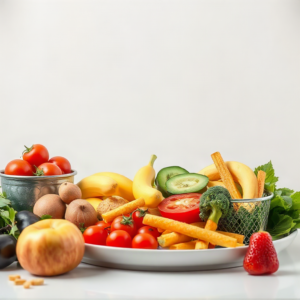
Reasons to Choose More Whole Foods Regularly: Key Benefits
Choosing more whole foods regularly can improve diet quality by providing fiber, protein, vitamins, minerals, and naturally varied plant compounds while reducing reliance on products high in added sugars, sodium, or refined starches. Vegetables, fruits, beans, intact grains, nuts, eggs, fish, and plain dairy can also make meals more filling…
Read More »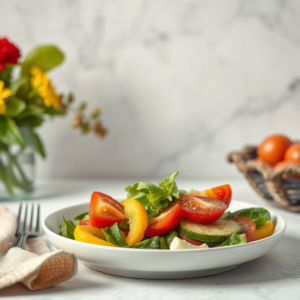
Healthy Living Skills for Planning Balanced Meals: Plate Plan
Healthy living skills for planning balanced meals combine a flexible plate plan with realistic shopping, preparation, and portion decisions. Build most meals from vegetables or fruit, a protein source, a fiber-rich carbohydrate, and an appropriate fat, then adjust the amounts for appetite, activity, health needs, and available food.
Read More »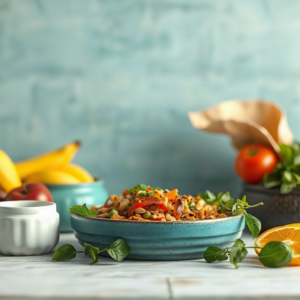
Three Practical Steps for Eating Healthier Each Week
Three practical steps for eating healthier each week are to plan a small set of meals, stock versatile whole-food ingredients, and improve the balance of foods already on your plate. Choose meals that fit your actual schedule, then buy vegetables, fruit, whole grains, protein foods, and convenient backups that can be used more than once.
Read More »
Allergy-Aware Meal Planning for Safer Everyday Eating
Allergy-aware meal planning makes everyday eating safer by identifying the exact allergens to avoid, checking every label, controlling cross-contact, and keeping nutritionally suitable substitutes available. Build each meal from familiar ingredients with verified packaging rather than assuming a product or recipe is safe because it was tolerated before.
Read More »
Healthy Protein Sources for Balanced Meals: 9 Smart Picks
Healthy protein sources for balanced meals include beans, lentils, tofu, eggs, fish, poultry, yogurt, nuts, and seeds, chosen alongside vegetables, whole grains, fruit, and unsaturated fats. Rotating plant and animal proteins broadens the mix of fiber, iron, calcium, omega-3 fats, and other nutrients while limiting dependence on highly processed meats.
Read More »
Limited Food Access: Practical Nutritious Eating Methods
Limited food access calls for practical nutritious eating methods built around available staples, realistic storage, and meals that supply protein, fiber, and energy without depending on fresh food every day. Prioritize versatile items such as beans, oats, rice, canned fish, shelf-stable milk, frozen vegetables, and peanut butter, then combine them…
Read More »
Healthy Meal Portions Without Counting Every Calorie
Healthy meal portions without counting every calorie are easiest to build by dividing the plate among vegetables, protein-rich foods, and grains or other starchy foods, then adjusting for hunger and activity. Use roughly half the plate for non-starchy vegetables, one quarter for protein, and one quarter for starch as a flexible visual starting point.
Read More »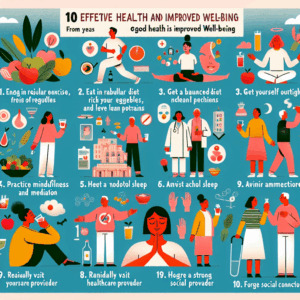
Healthy Eating Active Living Program Essentials: A Checklist
Healthy eating active living program essentials combine balanced food choices, routine movement, measurable goals, and an environment that makes both behaviors easier to repeat. A sound program emphasizes vegetables, fruit, whole grains, varied protein sources, water, aerobic activity, and strength work while allowing for budget, ability, culture, and medical needs.
Read More »
Healthy Liver Diet Foods and Meal Choices for Daily Eating
A healthy liver diet centers on foods and meal choices that emphasize vegetables, whole fruits, legumes, whole grains, fish, and unsaturated fats while limiting alcohol, sugary drinks, refined carbohydrates, and heavily processed meat. Fiber-rich meals can improve fullness and make weight management easier, while replacing saturated fat with olive oil…
Read More »
Smart Meal Planning for Sustainable Health
Understanding Nutritional Guidelines Why Nutrition Matters In my journey to a healthier lifestyle, I quickly discovered the deep impact that nutrition has on our overall well-being. The food we consume…
Read More »