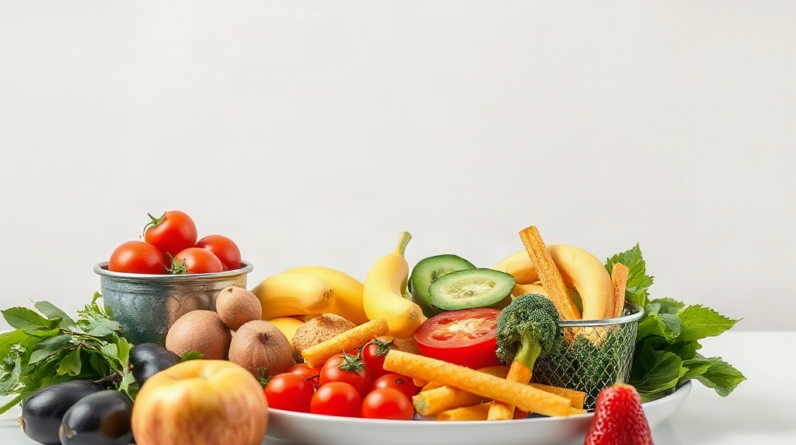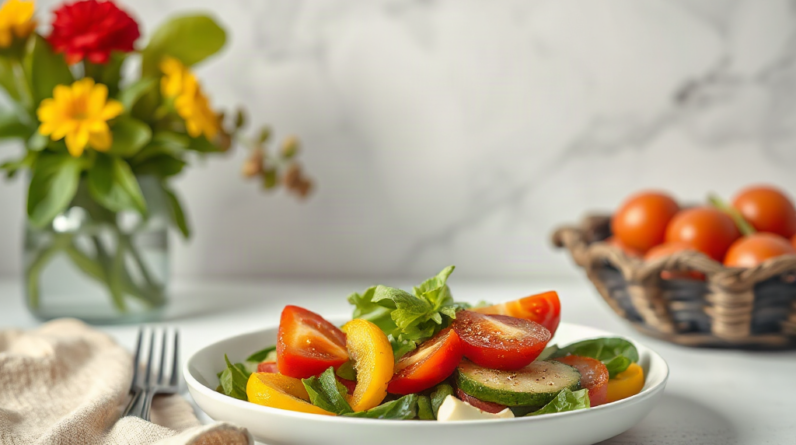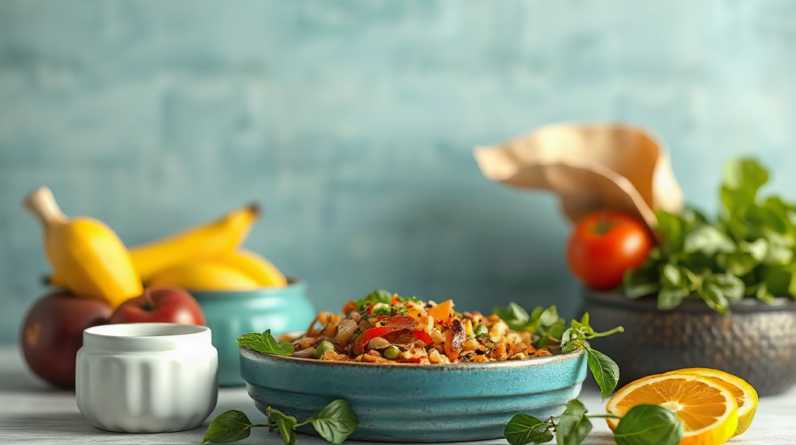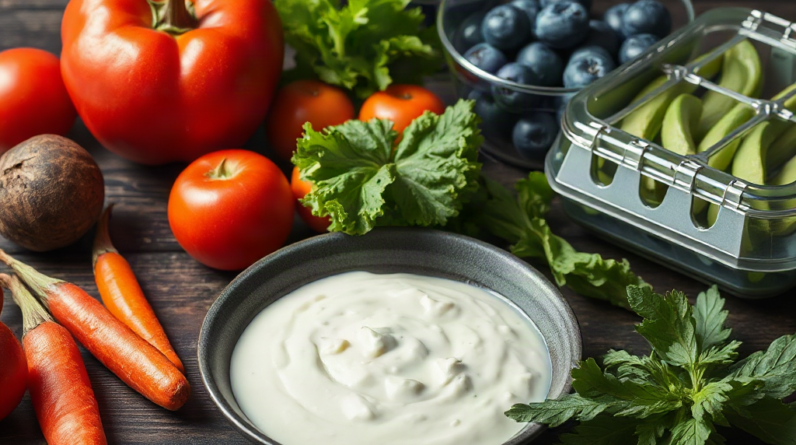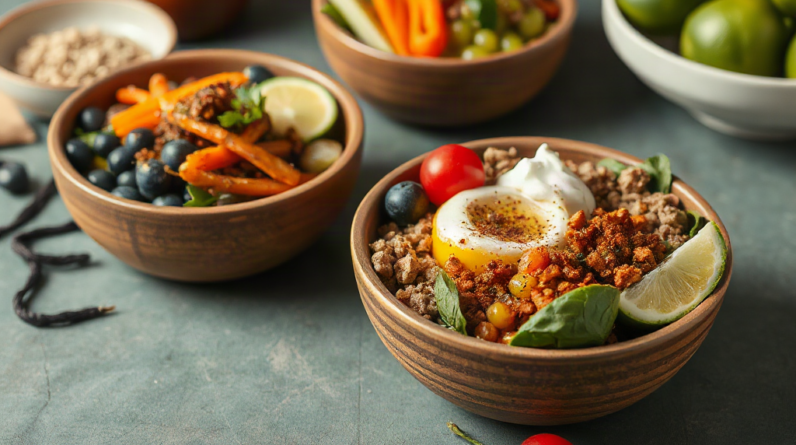
Healthy bowls with balanced toppings and portions combine vegetables or fruit, a protein-rich food, a measured grain or other starch, and a modest amount of flavorful fat or sauce. A practical starting point is to fill about half the bowl with produce, then divide the remaining space between protein and grains, beans, or starchy vegetables. Toppings such as nuts, cheese, avocado, and dressings add flavor and nutrients, but using several together can make portions larger than intended. Adjust the bowl for appetite, activity, and meal timing rather than treating one formula as universal.
What Belongs in a Balanced Bowl?
A useful bowl has four functional parts: produce for volume and variety, protein for staying power, a carbohydrate source for energy, and a smaller flavor component that may supply fat. This structure matters more than whether the ingredients are fashionable. Brown rice, roasted vegetables, chicken, and tahini can work, but so can potatoes, cabbage, beans, and salsa.
Vegetables or fruit usually deserve the most space because they add water, fiber, color, and contrasting textures. Raw greens alone may look substantial while providing little energy, so combine them with denser vegetables when the bowl needs to serve as a full meal. Roasted broccoli, peppers, mushrooms, tomatoes, shredded carrots, cabbage, berries, or sliced apples are practical options. Frozen vegetables are also useful when cost, season, or preparation time limits fresh choices.
Protein should be identifiable rather than incidental. Eggs, fish, poultry, tofu, tempeh, Greek yogurt, cottage cheese, lentils, and beans can anchor a bowl. Beans contribute both protein and carbohydrate, so they can occupy both roles when paired with vegetables and a smaller grain portion. A few seeds scattered over the top add useful texture, but they generally do not replace a substantial protein component.
The carbohydrate portion can include oats, quinoa, rice, barley, corn, whole-grain noodles, potatoes, sweet potatoes, or fruit. Whole grains and minimally processed starches often provide more fiber than refined alternatives, but the best choice still depends on tolerance, preference, availability, and the rest of the meal. A person who dislikes brown rice may build a more sustainable routine around white rice paired with beans and vegetables rather than abandoning the bowl format entirely.
Flavor components keep a bowl enjoyable, yet they are where portions commonly become difficult to judge. Oil-based dressing, cheese, nuts, seeds, avocado, and creamy sauces are concentrated compared with leafy greens or chopped vegetables. They do not need to be removed; they need distinct jobs. Choose avocado for creaminess, pumpkin seeds for crunch, or feta for a salty accent instead of automatically adding all three. The bowl is working when it feels satisfying, includes several food groups, and carries enough flavor without leaving the core ingredients buried under toppings.
How Should You Portion a Bowl by Meal?
Portions should reflect the meal’s purpose rather than the size of the container. Wide restaurant-style bowls can make an ordinary serving look sparse and encourage extra scoops. Begin with appetite, expected time until the next meal, and activity level, then use the bowl itself only as a serving vessel.
A visual starting point is about one-half produce, one-quarter protein, and one-quarter grain or starchy food, followed by a limited amount of sauce or garnish. This is not a prescription or a treatment plan. Individual energy requirements vary, and people managing diabetes, kidney disease, food allergies, digestive disorders, or other medical concerns may need advice from a registered dietitian or qualified clinician.
| Meal situation | Produce | Protein | Grain or starch | Flavor addition |
|---|---|---|---|---|
| Light breakfast | Berries or chopped fruit | Plain Greek yogurt | Oats | Chopped walnuts |
| Desk lunch | Greens and roasted vegetables | Chicken, tofu, or beans | Quinoa or sweet potato | Lemon-tahini dressing |
| Post-activity meal | Mixed cooked vegetables | Fish, eggs, tofu, or poultry | Rice or potatoes | Herbs and avocado |
| Lighter dinner | Vegetable-heavy base | Lentils, eggs, or fish | Smaller grain portion if desired | Yogurt sauce or seeds |
Meal timing changes what feels adequate. A breakfast bowl that must carry someone through a long morning may need more protein and oats than a small snack bowl. Lunch before an active afternoon may warrant a larger starch portion, while a person who has already eaten several substantial meals may prefer more vegetables and a smaller grain serving at dinner. Hunger after the meal is useful feedback: repeated hunger within a short period can signal too little total food, protein, fiber, or fat.
Portion control can also fail in the opposite direction. Building a tiny bowl to make it appear virtuous may lead to grazing later because the meal never supplied enough energy. Look for a comfortable level of fullness and stable satisfaction rather than the smallest possible serving. If a bowl repeatedly feels heavy, first inspect the combined portions of rice, beans, cheese, avocado, nuts, and dressing. Several nutritious but dense ingredients can accumulate quickly.
A simple assembly order improves consistency: add produce first, place protein and starch in visible sections, then spoon rather than pour the dressing. Eat without immediately adding more, pause when the first serving is finished, and decide whether hunger remains. This method preserves flexibility while making accidental oversized portions easier to notice.
Which Toppings Add Flavor Without Crowding the Bowl?
Effective toppings contribute a clear flavor or texture that the base lacks. Acidic, crunchy, creamy, spicy, and fresh elements each serve different purposes. A bowl of rice, black beans, and roasted peppers may need lime, cilantro, and crisp cabbage more than it needs another large scoop of cheese.
Low-volume flavor boosters include citrus juice, vinegar, fresh herbs, scallions, pickled onions, chili flakes, toasted spices, garlic, and ginger. These can sharpen mild grains and vegetables without taking over the meal. Sodium can still accumulate in bottled sauces, pickled foods, cheese, and seasoned proteins, so people limiting sodium should compare labels and use strongly flavored ingredients strategically rather than layering several salty products.
More concentrated toppings include nuts, seeds, cheese, avocado, dried fruit, oils, pesto, mayonnaise-based dressings, tahini, and nut butter. Their nutrient profiles differ, but all are easy to add without noticing the combined amount. Measuring once or twice with a spoon can teach what a deliberate portion looks like; permanent weighing is unnecessary for most people. Pouring dressing directly from the bottle makes the amount harder to assess.
Use a topping priority check before serving:
- Identify the missing quality. Add crunch, acidity, creaminess, heat, or freshness rather than toppings chosen at random.
- Select one main rich element. Tahini, avocado, cheese, or nuts can lead the flavor profile.
- Add lighter accents. Herbs, citrus, radishes, cabbage, or salsa provide contrast.
- Taste before adding more. Extra sauce may mask the ingredients without improving the bowl.
Consider two grain bowls with the same base. One receives avocado, cheese, pumpkin seeds, and a generous creamy dressing. The other uses avocado as its rich component, then adds lime juice, cilantro, jalapeño, and cabbage. Both can fit a balanced eating pattern, but the second makes each topping easier to recognize and portion. The first may be appropriate for someone with higher energy needs; it simply should not be assumed to be light because every ingredient is commonly viewed as wholesome.
A successful topping combination leaves the vegetables, protein, and grain visible and distinct. If every bite tastes only of dressing, or if the bowl becomes difficult to finish comfortably, reduce the rich toppings next time and increase herbs, acid, or crisp produce instead.
Good Health Solution is Easier Than Most People Think! Take a Look for Yourself!
Building Bowls for Real-Life Needs
Convenience, budget, dietary preferences, and storage determine whether a bowl routine survives beyond one meal. The most efficient approach is to prepare adaptable components instead of several fully assembled bowls. Cook one grain or potato, one protein, and a tray of vegetables, then keep wet toppings separate until serving.
For a low-cost lunch, combine brown or white rice, canned beans rinsed if desired, frozen corn, shredded cabbage, salsa, and plain yogurt. A higher-protein vegetarian version might use quinoa, roasted tofu, edamame, broccoli, carrots, and a ginger dressing. A breakfast bowl can pair oats with yogurt, berries, and walnuts; adding sweetened granola, honey, nut butter, dried fruit, and coconut all at once may turn the toppings into most of the meal.
Food texture affects satisfaction as much as ingredient count. Soft grains, beans, and avocado need contrast from cabbage, cucumbers, radishes, toasted seeds, or roasted chickpeas. Dry bowls often prompt excessive sauce, so moisture can come from tomatoes, fruit, yogurt, salsa, or a small amount of dressing distributed thoroughly. Using a large mixing bowl and then transferring the meal to a serving bowl can coat ingredients more evenly with less sauce.
Meal preparation introduces practical safety and quality constraints. Cool cooked ingredients promptly, refrigerate perishables, and follow official food-storage guidance rather than relying only on smell or appearance. Keep greens, crunchy vegetables, sauces, and warm components separate to avoid sogginess. Seafood and delicate cut produce may have a shorter useful storage window than sturdy grains or roasted vegetables.
Signs that the formula needs adjustment are consistent. Immediate hunger suggests the bowl may lack enough protein, starch, fat, or total food. Sleepiness or uncomfortable fullness may reflect an oversized portion, especially when multiple dense toppings accompany a large grain base. Boredom often means the flavor profile needs variation, not that the entire structure has failed. Rotate one element at a time: change lemon-herb flavors to salsa and lime, swap rice for potatoes, or replace chicken with lentils.
The common mistake is treating every bowl as a collection of unrestricted “good” ingredients. Nutritional value does not erase portion size, and portion awareness does not require rigid restriction. Build around foods that meet the meal’s main needs, make toppings purposeful, and revise the next bowl based on hunger, comfort, enjoyment, and the demands of the day.
Conclusion
A dependable bowl is built around function rather than an oversized collection of toppings. Give produce substantial space, include a clear protein source, add a grain or starchy food that matches the meal’s energy demands, and choose rich garnishes deliberately. Use herbs, citrus, spices, salsa, and crisp vegetables to create contrast without burying the base.
For the next bowl, assemble each component in a visible section and add sauce with a spoon. Notice whether the meal keeps you comfortably satisfied, feels too heavy, or becomes monotonous after repeated preparation. Adjust one variable at a time—protein, starch, topping quantity, or texture—so the result is easy to evaluate. Medical conditions and individualized nutrition goals may require guidance from a registered dietitian or another qualified healthcare professional.
Frequently Asked Questions
What is the best base for a healthy bowl?
Choose a base that suits the meal: vegetables for volume, grains or potatoes for energy, and beans when both carbohydrate and plant protein are useful. Combining greens with a cooked grain often produces a more satisfying lunch than using either alone.
How much dressing should go on a bowl?
Use enough to lightly coat the ingredients, beginning with a small spoonful and adding more after tasting. Thick dressings can be thinned with lemon juice, vinegar, water, or plain yogurt for easier distribution.
Can a bowl contain both beans and grains?
Yes. Beans and grains can complement one another and add fiber, texture, and plant protein. Adjust their combined volume to appetite, and include vegetables plus a flavorful but deliberate topping.
Why am I hungry soon after eating a vegetable bowl?
The bowl may be too low in total food, protein, carbohydrate, or fat. Add a substantial protein source and an appropriate portion of grains, beans, potatoes, nuts, seeds, avocado, or dressing rather than relying on raw vegetables alone.
Are frozen and canned ingredients suitable for bowls?
Yes. Frozen vegetables, canned beans, canned fish, and precooked grains can make bowls affordable and practical. Check labels when sodium or added sugars matter, and choose textures that will hold up after heating or storage.
Further Reading
Authoritative Sources
- What Is MyPlate?
myplate.govUSDA guidance provides a practical visual reference for combining food groups when planning bowl portions
- Dietary Guidelines for Americans
dietaryguidelines.govThis federal resource explains broader eating-pattern principles relevant to ingredient variety and nutrient-dense choices
- Healthy Eating Plate
hsph.harvard.eduHarvard's visual model offers another way to consider proportions of vegetables, whole grains, and protein foods
- FoodKeeper App
foodsafety.govThis government resource helps readers check storage guidance for cooked grains, proteins, produce, and leftovers
 Good Health Solution is Easier Than Most People Think! Take a Look for Yourself!