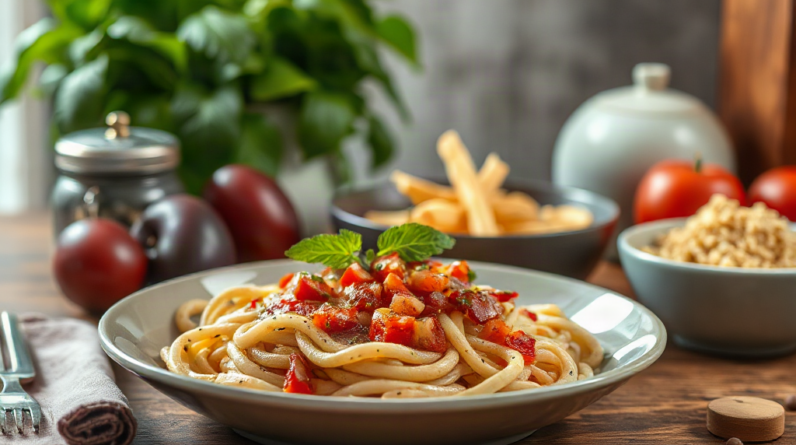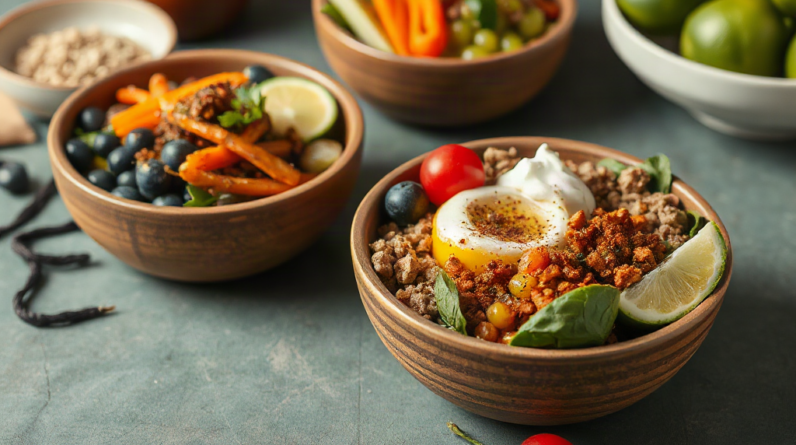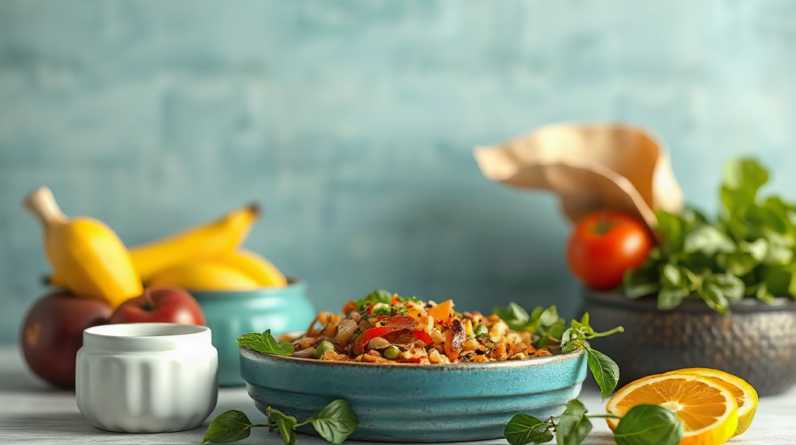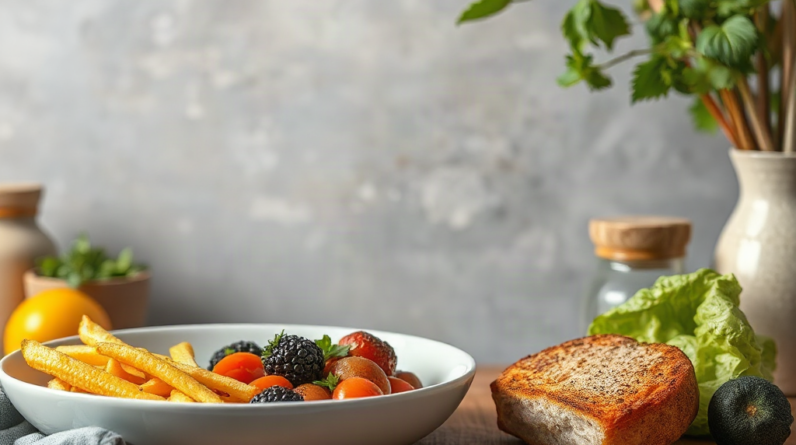
Healthy dinners for sustainable weight management combine a satisfying protein source, fiber-rich vegetables, minimally processed carbohydrates, and enough fat for flavor without making portions overly energy-dense. Practical options include salmon with roasted vegetables and potatoes, a bean-and-grain bowl, chicken stir-fry, or lentil pasta with greens. Consistent portions and repeatable meal routines usually matter more than removing carbohydrates or relying on very light dinners that leave you hungry later. Choose meals that fit your budget, schedule, culture, and activity level, then adjust serving sizes according to fullness, energy, and progress rather than expecting any single recipe to control weight.
What Makes a Dinner Support Weight Management?
A useful dinner provides enough food to feel satisfied while keeping its most energy-dense ingredients in proportion. Protein and fiber deserve particular attention because they add substance to a meal, while vegetables and fruit contribute volume, texture, and micronutrients. Carbohydrates and fats still belong on the plate; the practical issue is how they are prepared and portioned.
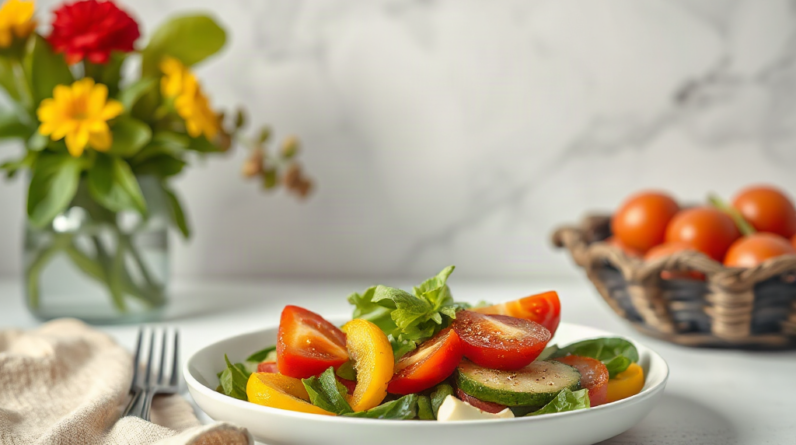
A simple starting point is to give roughly half the plate to non-starchy vegetables, one quarter to protein, and one quarter to a carbohydrate-rich food. That could mean roasted broccoli and peppers beside chicken and brown rice, or cabbage slaw beside black beans and a baked sweet potato. This visual method is not a prescription. A highly active person may need more rice or potatoes, while someone with a smaller appetite may prefer less food overall.
Protein choices can include fish, poultry, eggs, tofu, tempeh, lentils, beans, or lean meat. Fiber may come from vegetables, legumes, intact grains, and fruit. Combining the two often produces a more substantial dinner than centering the meal on refined pasta, bread, or snack foods alone. For example, pasta with creamy sauce may be easy to over-serve and may provide little produce. A smaller portion of pasta combined with white beans, spinach, tomatoes, and a measured amount of sauce has more varied texture and greater food volume.
Cooking method also changes the character of a meal. Baking, grilling, steaming, braising, and stir-frying with a modest amount of oil make it easier to control added fats than deep-frying or pouring oil freely. Oil, cheese, nuts, avocado, and sauces can all fit, but their calories become substantial in large amounts. Measuring them occasionally can recalibrate portions without requiring permanent tracking.
The common mistake is equating a healthy dinner with the lightest possible dinner. A small salad with little protein may look appropriate for weight loss yet lead to grazing later in the evening. A better test is whether the meal produces comfortable fullness, stable energy, and little urge to keep searching for food. Weight management reflects the broader eating pattern, so dinner should be assessed alongside breakfast, lunch, snacks, activity, sleep, medical needs, and medications.
Satisfying Dinner Formulas for Real Life
Repeatable meal formulas are more useful than collecting dozens of unrelated recipes. Each formula can accommodate seasonal produce, leftovers, dietary preferences, and supermarket prices without changing the underlying structure of the dinner.
A sheet-pan dinner pairs a protein with two vegetables and a starchy side. Roast salmon, green beans, and halved baby potatoes on one pan, adding the fish later if it cooks faster. For a lower-cost version, use chicken thighs or seasoned chickpeas. The main constraint is oil: tossing every ingredient separately can add far more than expected. Measure a shared amount, use parchment to limit sticking, and add brightness with lemon, vinegar, herbs, or mustard.
A bowl dinner works well for mixed preferences. Start with vegetables, add beans, tofu, chicken, tuna, or eggs, and include brown rice, quinoa, corn, or another preferred grain. Finish with salsa, yogurt-based dressing, tahini sauce, or a small amount of cheese. Bowls become disproportionately energy-dense when the grain forms most of the base and several rich toppings are stacked together. Let vegetables provide much of the volume, then choose one or two concentrated toppings rather than all of them.
A skillet dinner is appropriate when time is limited. Stir-fry frozen vegetables with shrimp or tofu, then serve the mixture with rice. Frozen vegetables are nutritionally useful and reduce chopping and spoilage. Bottled sauces can be convenient, although sodium and added sugar vary; using a smaller quantity and adding garlic, ginger, citrus, or vinegar can preserve flavor. People managing blood pressure, diabetes, kidney disease, or another medical condition may need individualized ingredient and portion guidance.
A soup-and-side dinner can turn inexpensive ingredients into several meals. Lentil soup with carrots, tomatoes, and greens offers protein and fiber, while whole-grain toast or fruit rounds out the meal. Clear broth does not automatically make soup filling: vegetable soup without beans, meat, tofu, noodles, or another substantial ingredient may function more like a starter. Cream-based soup is not forbidden, but it is often richer and may need a smaller serving alongside a produce-heavy side.
A planned convenience dinner is often better than an unrealistic cooking plan. Pair a rotisserie chicken, microwavable brown rice, and bagged salad; heat frozen vegetable dumplings with edamame and steamed broccoli; or add extra vegetables and canned beans to a prepared soup. Compare labels when sodium or saturated fat is a concern, but avoid assuming every packaged component makes the entire meal unsuitable. The sustainable option is the one that can be assembled on a difficult evening without turning dinner into an all-or-nothing decision.
How Should Dinner Portions Be Adjusted?
Portions should respond to appetite, activity, the rest of the day’s intake, and changes observed over time. A fixed serving copied from another person may be too large, too small, or poorly matched to an individual’s health needs. Start with a structured plate, eat without rushing when possible, and notice whether hunger settles during the meal.
| Dinner component | Practical starting point | When to adjust |
|---|---|---|
| Non-starchy vegetables | About half the plate | Increase for more volume if digestion tolerates it |
| Protein food | About one quarter of the plate | Increase modestly if meals repeatedly fail to satisfy |
| Grain or starchy vegetable | About one quarter of the plate | Adjust for activity, hunger, glucose needs, and total intake |
| Sauce or added fat | Enough for flavor and preparation | Reduce if it routinely dominates the meal’s energy |
The table is a visual starting point rather than a calorie calculation. Mixed dishes require interpretation. In chili, for instance, beans and meat may supply protein while beans also contribute carbohydrate and fiber. Add vegetables within the chili and serve a portion that leaves room for hunger to settle, rather than forcing every dinner into separate piles.
Signs that a portion may be too small include persistent hunger soon after dinner, repeated evening snacking, low energy, or preoccupation with food. Those signals do not automatically mean more willpower is needed. Try adding protein, fiber, or a modest carbohydrate serving at dinner and observe the result. A bowl of vegetable soup, for example, may become a complete meal when lentils and whole-grain toast are added.
Signs that portions may be larger than needed include routinely finishing meals uncomfortably full, serving directly from oversized packages, or eating quickly enough that fullness arrives only after the plate is empty. Try plating one serving in the kitchen, putting leftovers away, and pausing before taking more. If genuine hunger remains, an additional serving is reasonable; the pause is meant to gather information, not enforce deprivation.
Daily scale changes are noisy and can reflect water, sodium, carbohydrate storage, digestion, and other factors. If weight tracking is appropriate for you, look for a longer-term direction rather than reacting to one meal or one day. Persistent fatigue, dizziness, uncontrolled hunger, rapid unexplained weight change, a history of disordered eating, pregnancy, or a condition affecting nutrition warrants advice from a physician or registered dietitian rather than further self-restriction.
Good Health Solution is Easier Than Most People Think! Take a Look for Yourself!
Making Healthy Dinners Easier to Repeat
A dinner pattern becomes sustainable when the required work matches the time and energy actually available. Planning elaborate meals for every night often fails because it ignores commuting, caregiving, variable schedules, food prices, and the mental load of deciding what to cook.
Use a short weekly rotation instead of assigning seven unique recipes. Choose two meals to cook, one meal built from leftovers, one convenience combination, and one flexible backup. Cooked chicken can appear first with potatoes and vegetables, then in tacos with cabbage and beans. A pot of lentils can become soup one night and a grain bowl component later. Reusing ingredients reduces waste without requiring identical dinners.
A compact preparation checklist keeps effort focused:
- Select two protein anchors: for example, tofu and canned beans or chicken and eggs.
- Choose easy produce: combine one fresh option with frozen or pre-cut vegetables.
- Prepare one versatile carbohydrate: cook rice, roast potatoes, or keep whole-grain bread available.
- Keep a fast flavor base: salsa, pesto, spice blends, lemon, or a yogurt sauce can change familiar ingredients.
- Reserve an emergency meal: frozen vegetables, canned soup, tuna, eggs, or a balanced frozen entrée can prevent an unplanned takeout default.
Budget planning benefits from comparing cost per usable serving rather than judging foods by reputation. Dried or canned beans, eggs, frozen vegetables, cabbage, carrots, potatoes, and store-brand grains can form inexpensive dinners. Fresh fish, specialty grains, and pre-cut produce may offer convenience or variety, but they are not prerequisites for a sound eating pattern. Rinsing canned beans may reduce some surface sodium, while no-salt-added versions provide another option where available.
Meal preparation can also fail by producing food that no one wants to eat. Plain batches of protein and vegetables may be efficient but monotonous. Prepare neutral components, then vary sauces and textures: turn rice, chicken, and peppers into a salsa bowl one night and a ginger-garlic skillet the next. Keep rich condiments purposeful rather than unrestricted, since several small additions can collectively outweigh the planned portion.
Evaluate the system after two weeks. A working plan produces manageable grocery spending, minimal waste, acceptable cooking time, and dinners that leave you satisfied. Frequent discarded produce, repeated takeout, or evening hunger indicates a design problem. Simplify preparation, buy fewer perishables, strengthen the protein or carbohydrate component, or schedule convenience food deliberately. Consistency grows from correcting those friction points, not from demanding perfect cooking.
Conclusion
Build dinner around a dependable structure rather than chasing a perfect recipe. Give vegetables substantial space, include a clear protein source, keep a satisfying carbohydrate portion, and use fats and sauces deliberately. Then judge the meal by practical outcomes: whether it controls hunger, fits the household budget, works on busy nights, and can be repeated without excessive preparation.
Choose two dinner formulas for the coming week and buy ingredients that overlap. Keep one freezer or pantry backup for the night when cooking is unrealistic. After several meals, adjust portions according to fullness, energy, evening snacking, and longer-term trends. If weight changes, health conditions, medications, food allergies, or disordered-eating concerns complicate the process, individualized guidance from a qualified healthcare professional is more appropriate than increasingly restrictive meal rules.
Frequently Asked Questions
Can I eat carbohydrates at dinner while managing my weight?
Yes. Rice, potatoes, whole grains, beans, and pasta can fit. Portion, preparation, total intake, and what accompanies the carbohydrate matter more than avoiding it simply because it is evening.
Is skipping dinner useful for weight loss?
Skipping dinner may reduce intake for some people, but it can also cause intense hunger, late snacking, or poor energy. It is not inherently more effective than a satisfying portioned meal and may be unsuitable with certain medical needs.
What is a quick high-protein vegetarian dinner?
Try a bowl of lentils or black beans with microwavable brown rice, frozen vegetables, salsa, and plain yogurt or avocado. Tofu stir-fry and lentil pasta with spinach are other practical options.
Are frozen dinners compatible with weight management?
They can be. Look for a meal with a recognizable protein source and vegetables, then add extra frozen vegetables or fruit if the portion is small. Compare sodium and saturated fat when those are personal concerns.
What should I do if I am hungry after a healthy dinner?
Check whether dinner contained enough protein, fiber, carbohydrate, and total food. If hunger persists, eat a planned snack such as fruit with yogurt or whole-grain toast with peanut butter rather than treating hunger as a failure.
Further Reading
Authoritative Sources
- USDA MyPlate
myplate.govProvides practical food-group guidance and meal-planning resources that can inform balanced dinner choices
- Dietary Guidelines for Americans
dietaryguidelines.govExplains the federal evidence-based framework for nutritious eating patterns across life stages
- NIDDK Weight Management Information
niddk.nih.govOffers medically grounded information about weight management, eating patterns, activity, and professional care
- CDC Healthy Weight and Growth
cdc.govProvides public-health information about healthy weight, nutrition, activity, sleep, and gradual behavior change
 Good Health Solution is Easier Than Most People Think! Take a Look for Yourself!