Comfort food can be made healthier with lighter ingredient swaps that preserve creaminess, browning, and savory flavor while reducing excess saturated fat, sodium, and refined starch. Use blended vegetables or beans to add body, replace part—not necessarily all—of the cream or cheese, and favor lean proteins with moisture-rich cooking methods. Keep enough fat and seasoning for a satisfying texture, then strengthen flavor with roasted vegetables, herbs, spices, acidity, and umami-rich ingredients. The best swaps improve the nutritional balance without making macaroni and cheese watery, meatloaf dry, or casseroles noticeably less comforting.
What Makes a Lighter Ingredient Swap Work?
A successful substitution must perform the same culinary job as the ingredient it replaces. Butter carries flavor and encourages browning, cream provides fat and body, cheese supplies salt and umami, and refined starch creates softness or structure. Replacing any of them without accounting for those functions often produces a dish that tastes diluted, feels dry, or separates during cooking.
Partial replacement is usually more reliable than an all-or-nothing change. In mashed potatoes, for example, replacing some butter and cream with warmed milk and puréed cauliflower can reduce richness while retaining enough dairy fat for a familiar finish. Removing every rich ingredient at once may leave the potatoes thin and distinctly vegetal. The same principle applies to macaroni and cheese: a sauce made with less cheese can still work when a modest amount of sharp cheese is combined with a smooth vegetable purée, but replacing the cheese entirely changes both flavor and texture.
Water content deserves special attention. Greek yogurt, mushrooms, zucchini, frozen spinach, and vegetable purées all contribute moisture. That can be useful in meatloaf or baked pasta, but excessive liquid makes casseroles loose and prevents browning. Drain thawed vegetables, cook mushrooms until their released moisture evaporates, and add yogurt after removing a sauce from high heat. These small preparation steps matter as much as the ingredient selection.
The nutritional goal should also fit the meal. A swap is not automatically useful because it removes fat or calories. Replacing cheese with a highly processed low-fat sauce may reduce fat while adding sodium and producing a less satisfying dish. Adding beans, vegetables, or whole grains often provides more practical value because these foods contribute fiber, texture, and volume. Lean protein can make a meal more filling, but very lean meat may require grated vegetables, broth, or another moisture source to avoid dryness.
Judge a substitution by three questions: Does it preserve the dish’s defining quality? Does it add or retain meaningful nourishment? Is the result enjoyable enough to make again? A slightly lighter lasagna that still tastes like lasagna is generally more useful than a radically altered version that leaves diners looking for something else to eat.
How Can You Lighten Creamy Comfort Foods?
Creamy dishes become lighter most successfully when thickness and richness are adjusted separately. Heavy cream supplies both, so pouring in a thin substitute such as skim milk can weaken the sauce. A better method uses milk or broth for fluid, a puréed ingredient for body, and a smaller quantity of flavorful fat or cheese for richness.
Blended cauliflower, white beans, butternut squash, or cooked potatoes can thicken soups and sauces. Each changes the dish differently. White beans provide protein and fiber but can taste slightly earthy unless blended thoroughly and balanced with garlic, herbs, lemon, or cheese. Squash adds sweetness and works naturally in baked pasta or a cheddar sauce. Cauliflower has a mild flavor, although overcooking may produce a stronger aroma. Cook it only until tender, then blend it smoothly with warm liquid.
Plain Greek yogurt can replace part of the sour cream, mayonnaise, or cream in dips, stroganoff, and potato toppings. It contributes tang and protein, but it may curdle when boiled. Temper it by stirring a little warm sauce into the yogurt first, then add the mixture over low heat or after the pan has left the burner. For casseroles, cottage cheese blended until smooth can provide body and protein, though its sodium level varies by product.
| Original ingredient | Lighter approach | Best use | What to watch |
|---|---|---|---|
| Heavy cream | Milk plus vegetable or bean purée | Soups and pasta sauces | Thin gradually to avoid a gluey texture |
| Full-fat sour cream | Plain Greek yogurt or a half-and-half blend | Toppings, dips, and stroganoff | Avoid boiling after adding yogurt |
| Large amounts of cheese | Less strongly flavored cheese with a smooth base | Macaroni, gratins, and casseroles | Pre-shredded cheese may melt less smoothly |
| Mayonnaise | Part yogurt, part mayonnaise | Chicken, tuna, or potato salad | Season after mixing because tang increases |
Strongly flavored ingredients let smaller amounts carry farther. A mature cheddar, Parmesan, toasted sesame paste, or a spoonful of pesto may have more impact than a larger amount of mild cheese or neutral fat. This is not a reason to overload the dish with salty additions; it is a way to place richness where it will be noticed.
A common failure is changing the liquid, thickener, and cheese simultaneously without testing the sauce. Make the base first, allow it to simmer, and evaluate its thickness before adding the final dairy ingredient. A creamy sauce should lightly coat a spoon before it goes into a casserole because pasta and vegetables may release or absorb additional moisture during baking.
Better Swaps for Meat, Crusts, and Starches
Meat and starch substitutions work best when they retain structure rather than merely lowering the amount of a familiar ingredient. Lean ground turkey can replace higher-fat beef in some recipes, but it does not contain the same fat or deep flavor. Finely chopped mushrooms, grated onion, or shredded zucchini can add moisture and savory character to turkey meatballs or meatloaf. The vegetables should be cooked or squeezed when necessary so the mixture binds instead of becoming wet.
Beans and lentils can replace part of the meat in chili, shepherd’s pie filling, taco casseroles, or sloppy-joe-style mixtures. A half-and-half approach preserves the expected texture while adding fiber and stretching the meal. Brown or green lentils hold their shape better than red lentils, which soften into a thick purée. Black beans suit strongly seasoned dishes, while white beans blend more quietly into poultry-based soups and casseroles.
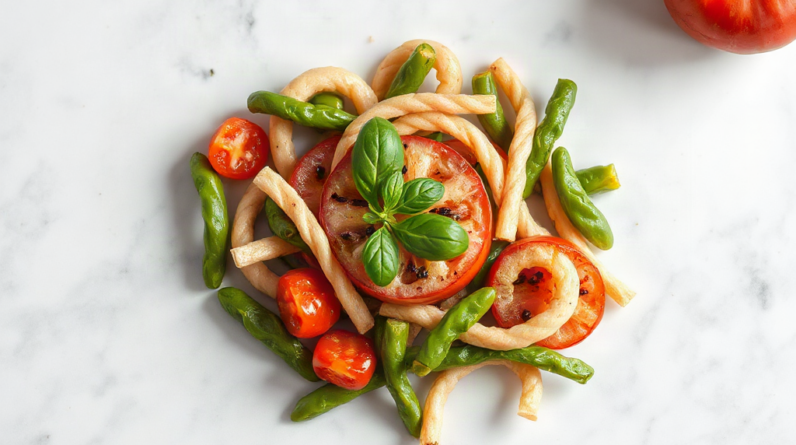
Whole-grain pasta, brown rice, barley, and farro offer more fiber than refined versions, but their stronger flavor and firmer texture are not interchangeable in every recipe. Whole-grain pasta stands up well to tomato sauce, baked pasta, and chunky vegetables. Delicate cream sauces may be better with a blended pasta approach or a higher-fiber pasta that has a relatively neutral taste. Cooking time matters: overcooked whole-grain pasta can become soft on the outside while retaining an unpleasantly dense center.
Vegetables can replace a portion of a starch without pretending to be identical to it. Mixing cauliflower into mashed potatoes is often more convincing than serving cauliflower alone as “potatoes.” In a pot pie, a single well-browned top crust keeps the recognizable pastry experience while avoiding a second layer underneath. For pizza, a thinner traditional crust topped with vegetables and a measured amount of cheese may be more satisfying than a fragile vegetable crust that cannot support the toppings.
Portion design can be more effective than a total replacement. Keep the comfort-food component recognizable, then use vegetables, legumes, or a simple salad to change the balance of the plate. A smaller serving of baked macaroni beside roasted broccoli and chicken offers the expected flavor with more protein and produce. By contrast, eating a large amount of a product labeled “light” may not improve the meal’s overall balance.
Watch for signs that the swap has gone too far: meat mixtures that crumble, crusts that remain soggy, grains that dominate the intended flavor, or vegetable substitutes that release pools of water. Correct the cooking method before abandoning the ingredient. Browning mushrooms, draining beans, squeezing grated zucchini, and allowing casseroles to rest briefly can resolve problems that appear to be caused by the recipe itself.
Good Health Solution is Easier Than Most People Think! Take a Look for Yourself!
How Do You Preserve Flavor and Texture?
Flavor preservation depends on concentration, contrast, and browning rather than fat alone. Roasting vegetables, searing meat in batches, and allowing onions to turn golden create savory depth before liquid enters the pan. Crowding ingredients traps steam, so mushrooms or meat may turn gray instead of developing the browned surface associated with satisfying comfort food.
Acidity is especially useful in lighter recipes because it sharpens flavors that can taste muted after reducing butter, cream, or salt. A small amount of lemon juice, vinegar, mustard, or tomato can make a sauce taste more complete. Add acid near the end and taste after each addition; too much creates sourness rather than balance. Fresh herbs can serve a similar role, while dried herbs usually benefit from cooking in the sauce long enough to soften and release their aroma.
Umami-rich foods create depth without requiring a large quantity of meat or cheese. Tomato paste browned briefly in the pan, sautéed mushrooms, Parmesan rind in soup, or a modest amount of miso can intensify savory flavor. Miso and Parmesan also contribute sodium, so seasoning should be delayed until these ingredients are incorporated. Reduced-sodium broth may provide more control, but its flavor and salt level still vary between brands.
Texture needs deliberate contrast. A soft casserole benefits from a crisp surface made with a restrained amount of toasted breadcrumbs, chopped nuts, or grated cheese. A creamy soup becomes more satisfying with roasted chickpeas or a small crunchy garnish. These toppings can make a lighter base feel finished, yet they should be treated as accents; pouring oil freely over breadcrumbs can quietly restore much of the richness removed elsewhere.
Seasoning in stages is more reliable than trying to fix the finished dish. Salt onions lightly as they cook, taste the sauce before adding cheese, and check again after the dish has baked. Salt becomes more concentrated when liquid evaporates. Conversely, pasta, potatoes, and beans can absorb seasoning and leave a finished casserole bland. Gradual tasting helps account for both effects.
A practical test is whether diners notice missing flavor or simply enjoy a slightly less heavy meal. If the dish tastes flat, first check salt, acid, browning, and temperature rather than immediately adding more fat. If it feels watery or insubstantial, address moisture and body. Fat is most useful after those basic problems have been ruled out, and a small, well-placed amount often works better than adding richness indiscriminately.
A Practical Lighter Comfort Food Checklist
Changing one major element at a time makes lighter recipes easier to troubleshoot. A familiar family recipe is a poor place to replace the meat, dairy, starch, and topping simultaneously because there is no clear way to identify why the result changed. Begin with the ingredient that contributes the most excess richness or offers the easiest nutritional improvement.
- Name the essential quality. Decide whether the dish must remain creamy, crisp, cheesy, tender, or deeply savory.
- Identify the ingredient’s job. Determine whether it supplies moisture, structure, browning, salt, fat, or thickness.
- Choose a functional replacement. Match liquid with liquid, body with body, and binding power with a suitable binder.
- Make a partial swap first. Retain enough of the original ingredient to protect the defining flavor and texture.
- Control water before cooking. Drain, squeeze, sauté, or reduce moisture-rich ingredients as needed.
- Taste before final seasoning. Cheese, broth, sauces, and prepared condiments may already contribute substantial sodium.
Consider a chicken pot pie as a real-world example. Using skinless chicken, increasing peas, carrots, mushrooms, and celery, thickening the filling with a moderate roux, and keeping only a top crust changes the balance without removing the pie’s central appeal. Replacing the crust with an unrelated topping, eliminating the thickened sauce, and removing all added fat at once would create a different meal rather than a lighter version of the original.
Signs of success include a sauce that coats rather than floods the plate, lean meat that remains tender, vegetables that complement rather than overpower the dish, and portions that satisfy without feeling excessively heavy. Repeated requests for extra cheese, butter, or sauce suggest that flavor concentration or texture may need work. Leftovers also reveal weaknesses: sauces that split, grains that absorb all available moisture, and vegetable-based crusts that collapse may require a change in technique.
Personal needs still matter. People managing food allergies, digestive conditions, kidney disease, diabetes, or another nutrition-sensitive condition may need more specific guidance than a general swap list can provide. Sodium, carbohydrate, protein, potassium, and allergen content can shift in unexpected ways when ingredients change. A registered dietitian or other qualified clinician can help adapt favorite recipes to an individual medical plan without relying on a “healthy” label alone.
Frequently Asked Questions
Can Greek yogurt replace sour cream in hot dishes?
Yes, particularly as a partial replacement. Use plain yogurt, temper it with warm sauce, and add it over low heat or off the burner to reduce the chance of curdling.
What is the best way to lighten macaroni and cheese?
Use less strongly flavored cheese over a smooth base made with milk and a modest amount of vegetable purée. Keep enough cheese for flavor, and avoid adding so much purée that the sauce becomes sweet or watery.
Are vegetable noodles always healthier than pasta?
Not automatically. Vegetable noodles add produce and may reduce refined starch, but they contain less protein and may be less filling. Pasta and vegetables can also be combined rather than treated as mutually exclusive choices.
How can lean ground meat stay moist?
Add moisture-retaining ingredients such as cooked onion, mushrooms, grated zucchini, or a modest amount of broth. Avoid overmixing and cook only until the meat reaches an appropriate safe temperature.
Should every rich ingredient be replaced?
No. Keeping a smaller amount of butter, cheese, pastry, or cream often preserves satisfaction better than removing it completely. Focus first on portions, added vegetables, cooking method, and excess amounts.
Conclusion
Lighter comfort food succeeds when the recipe still delivers its recognizable texture and flavor. Start by identifying what cream, fat, cheese, meat, or starch contributes, then replace only the functions that another ingredient can perform well. Partial substitutions, carefully controlled moisture, strong browning, measured acidity, and concentrated savory ingredients are more dependable than removing every rich component.
Choose one familiar dish for the first test. Change its largest source of excess richness, keep the remaining recipe stable, and note how the sauce, structure, seasoning, and leftovers behave. If the result is dry, watery, bland, or fragile, correct that specific problem instead of assuming healthier ingredients cannot work. The practical target is not a perfect imitation with the lowest possible calorie count; it is a balanced meal that remains satisfying enough to earn a regular place at the table.
 Good Health Solution is Easier Than Most People Think! Take a Look for Yourself!