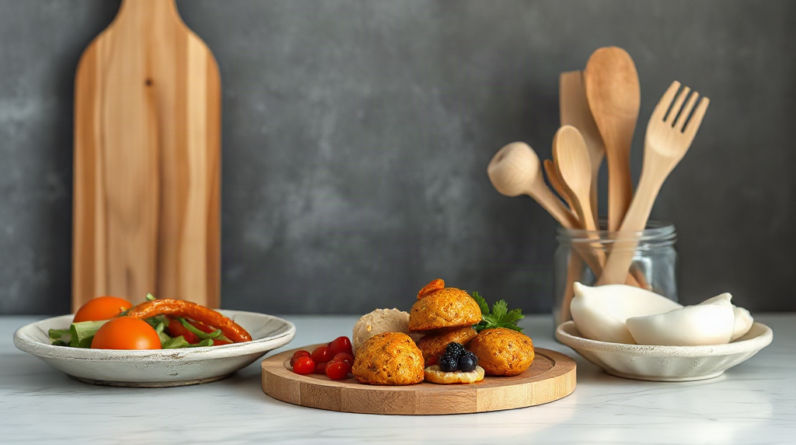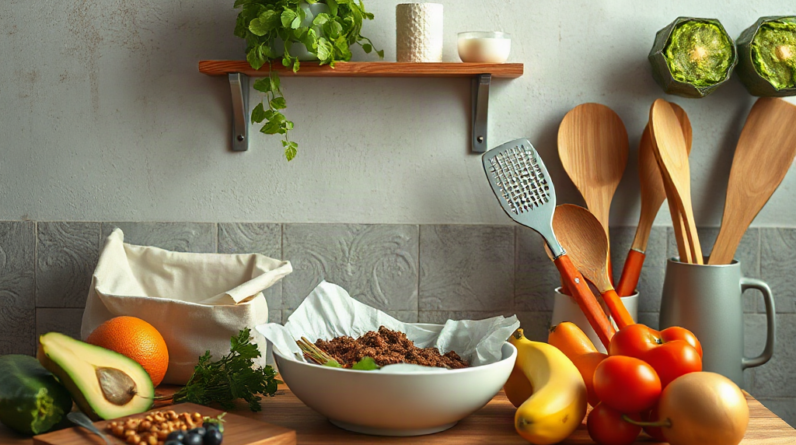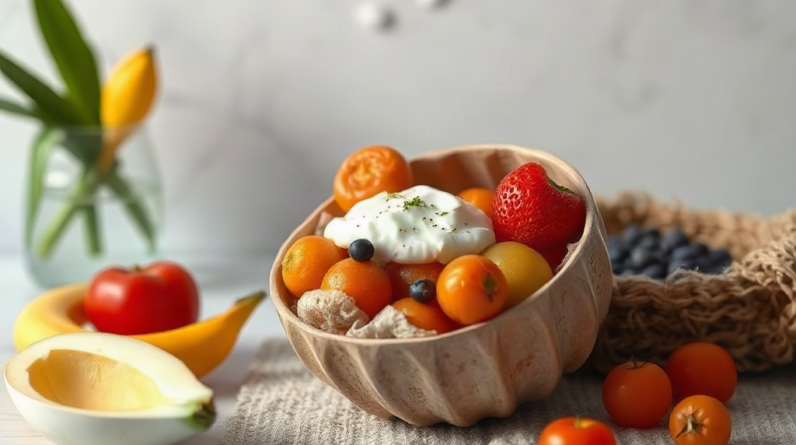
Food choices for self-care routines work best when they make regular eating, hydration, and balanced nourishment easier rather than imposing rigid dietary rules. Build meals around a protein source, fiber-rich carbohydrate, produce, and a satisfying fat, then keep convenient options available for low-energy days. Snacks such as fruit with yogurt, crackers with hummus, or nuts with dried fruit can bridge long gaps without replacing every meal. Pay attention to hunger, fullness, energy, digestion, budget, and preparation time.
What Makes a Food Choice Supportive of Self-Care?
A supportive food choice is one that provides useful nourishment while fitting the person’s appetite, schedule, resources, culture, and health needs. Nutrient content matters, but practicality determines whether the choice can become part of a dependable routine. A homemade grain bowl may offer variety, yet a frozen meal with added vegetables may be the more caring option after an exhausting day because it makes eating possible with little work.
Regular nourishment supplies carbohydrates, fats, proteins, vitamins, minerals, and fluids used throughout the body. Carbohydrates are a readily available energy source, protein supplies amino acids, and dietary fats contribute energy and help meals feel satisfying. Fiber-rich foods such as beans, oats, fruit, vegetables, and whole grains can add staying power and support normal digestion. No single ingredient performs the entire job, so variety across meals is generally more useful than chasing a supposed superfood.
Self-care also includes pleasure and enough food. Choosing only foods labeled light, clean, or guilt-free can leave a person hungry or preoccupied with eating, especially when meals lack protein, fat, or carbohydrates. Conversely, using highly convenient snack foods for every meal may not provide the variety or fullness someone needs. The useful middle ground is permission to combine convenience with nourishment: boxed soup with whole-grain toast, for example, or instant noodles supplemented with an egg and frozen vegetables.
Context changes the better choice. Raw vegetables and beans may suit one person’s digestion but aggravate another person’s symptoms. A large breakfast may steady someone who wakes hungry, while a smaller meal may be easier for a person with limited morning appetite. Religious practices, sensory preferences, food access, allergies, diabetes, kidney disease, gastrointestinal conditions, pregnancy, and eating-disorder history can all affect appropriate decisions. People managing medical conditions should use individualized guidance from a qualified clinician or registered dietitian rather than treating a general wellness routine as medical nutrition therapy.
A common mistake is judging food morally instead of assessing what it does in the current situation. A useful check is more concrete: Will this provide enough food? Can I prepare and tolerate it? Will it keep me comfortable until the next eating opportunity? Does it fit my budget? Those questions turn self-care into a workable decision rather than a test of dietary perfection.
How Can You Build Balanced Meals Without Rigid Rules?
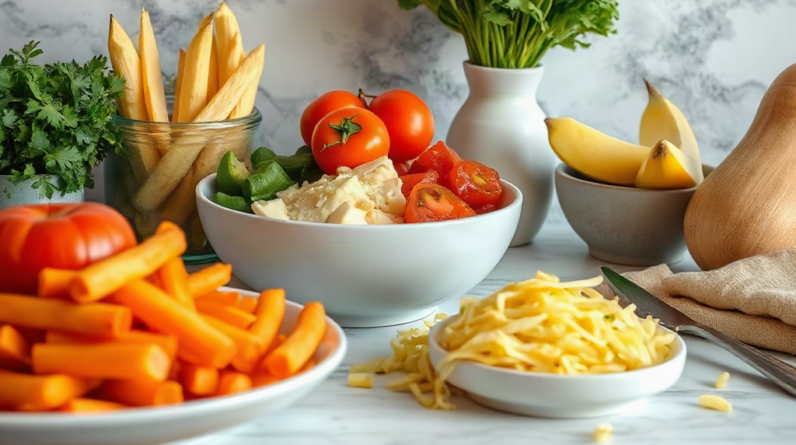
Balanced meals can be assembled from four flexible components: a protein food, a carbohydrate source, produce when available, and a fat or flavorful addition. This is not a required formula or a prescription for exact portions. It is a quick way to notice what might be missing when a meal is unsatisfying, monotonous, or unlikely to carry someone through several hours.
Protein options include eggs, fish, poultry, tofu, tempeh, yogurt, cheese, lentils, and beans. Carbohydrate choices include rice, potatoes, oats, bread, pasta, tortillas, fruit, and other grains. Vegetables and fruit add flavor, texture, fiber, and varied micronutrients. Nuts, seeds, avocado, olive oil, pesto, and nut or seed butters can provide fat and make meals more satisfying. Many foods cross categories; beans contain both protein and carbohydrate, while yogurt may provide protein, carbohydrate, and fat.
Consider a lunch of plain lettuce and cucumber. It contains produce but may not be enough for a full meal. Adding chickpeas, pita, and tahini creates a more substantial combination. At the opposite extreme, a bowl of pasta does not need to be rejected for being carbohydrate-heavy. Tomato sauce, white beans or ground meat, olive oil, and a side of fruit can broaden it with minimal extra work. The aim is adequacy, not a visually perfect plate.
Portion needs vary with body size, activity, appetite, age, health, and the time until the next meal. Hunger returning soon after eating may mean the meal was too small or lacked a satisfying mix. Feeling uncomfortably full every time may indicate portions, eating speed, rich ingredients, or symptom triggers need review. Neither signal should be interpreted as a character flaw. Use repeated patterns rather than one meal to decide whether an adjustment is worthwhile.
Rigid meal rules often fail when schedules change. A component approach adapts: breakfast could be oatmeal with milk, berries, and peanut butter; lunch might be rice, tofu, frozen broccoli, and sauce; dinner could be a baked potato topped with beans, cheese, and salsa. If produce is scarce at one meal, it can appear later. If fresh food spoils too quickly, frozen and canned versions can be equally practical parts of the routine. Choose canned fruit packed in juice or water when preferred, and compare sodium labels on canned foods when sodium is a personal concern.
What Should You Eat on Low-Energy or Busy Days?
Low-energy days call for fewer preparation steps, not skipping nourishment until hunger becomes urgent. Fatigue, stress, pain, caregiving, deadlines, or low mood can make chopping and cooking unrealistic. Keeping a small set of foods that can be opened, heated, or assembled reduces the number of decisions between noticing hunger and eating.
Useful backups include frozen entrées, canned soup, microwaveable grains, eggs, yogurt, nut or seed butter, canned beans or fish, frozen vegetables, bread, tortillas, cheese, fruit cups, and shelf-stable milk. A backup meal does not need to look like a conventional dinner. Toast with peanut butter, banana, and milk offers more substance than waiting for the energy to cook an elaborate recipe. A frozen burrito paired with fruit is another reasonable option when time and cleanup are limited.
Convenience and nutritional quality are not opposites. Frozen vegetables avoid washing and cutting, canned beans remove soaking and simmering, and pre-cooked grains shorten meal preparation. Some packaged products contain more sodium, added sugar, or saturated fat than a person wants, but labels allow comparison within the same category. The product that gets eaten and prevents a long, draining gap may still be more useful than ingredients that spoil unused.
Create backups at three effort levels. A no-preparation option might be yogurt with cereal and fruit. A five-minute option could be a microwaveable rice cup mixed with beans, salsa, and shredded cheese. A slightly higher-effort option might be scrambled eggs, toast, and frozen spinach. This graduated setup prevents an all-or-nothing choice between cooking from scratch and ordering food.
Hydration deserves similar planning. Water is a practical default, but milk, fortified plant beverages, tea, coffee, soup, and water-rich foods also contribute fluid. Needs differ with climate, activity, pregnancy, illness, medications, and medical conditions, so a universal volume is not appropriate. Keeping a drink visible or pairing it with meals may be more sustainable than forcing an arbitrary target. Anyone placed on fluid restrictions or experiencing persistent thirst, frequent urination, dizziness, or signs of dehydration should seek medical guidance rather than relying only on habit changes.
The main failure mode is stocking aspirational foods instead of usable ones. If washing lettuce is routinely a barrier, buy frozen vegetables or a smaller ready-to-use portion. If a family-size package leads to waste, single portions may justify their higher unit price. A self-care pantry should reflect what can be managed during difficult periods, not only what seems ideal on a high-energy day.
How Do You Personalize a Food-Based Self-Care Routine?
Personalization begins by observing patterns in hunger, energy, comfort, access, and satisfaction without turning every response into a diagnosis. A brief note about meal timing and how the person felt afterward can reveal practical issues. Repeated afternoon fatigue after a very small lunch, for instance, may suggest trying a larger lunch or adding a snack, although fatigue can have many causes and persistent symptoms deserve clinical evaluation.
Start with the constraint that most often disrupts eating. For limited time, use repeatable breakfasts and batch-cooked components. For limited money, emphasize oats, potatoes, rice, pasta, dried or canned beans, eggs, seasonal produce, and store-brand frozen vegetables while checking local prices. For poor appetite, smaller eating occasions and easy-to-tolerate foods may feel more manageable than large plates. For sensory preferences, vary temperature and texture instead of forcing disliked foods solely because they are considered wholesome.
Good Health Solution is Easier Than Most People Think! Take a Look for Yourself!
Food choice also interacts with emotional well-being. Eating a familiar dish can offer comfort and cultural connection, and that role does not make the food nutritionally meaningless. At the same time, food cannot resolve every source of stress, loneliness, or exhaustion. If eating becomes the only available coping method, add non-food forms of care rather than imposing shame or absolute bans. A short walk, conversation, rest period, or professional support may address needs that a snack cannot.
Signs a routine is working include fewer unplanned long gaps, access to acceptable food when energy is low, meals that generally satisfy, manageable grocery waste, and flexibility around social occasions. Signs it needs revision include frequent hunger soon after meals, repeated skipped meals, digestive discomfort, excessive spending, food spoilage, anxiety about breaking rules, or a plan that collapses whenever the week changes.
Avoid eliminating foods based on vague symptom lists from social media. Unnecessary restriction can reduce variety, raise costs, complicate social eating, and make it harder to meet nutritional needs. Suspected allergies require medical assessment, and ongoing digestive symptoms, unexplained weight change, fainting, severe fatigue, or distress around food warrant attention from a qualified professional. People recovering from an eating disorder should prioritize their treatment plan over general advice about meal composition or tracking.
Make one adjustment at a time so its effect is visible. Add a midmorning snack for a week, place frozen meals at eye level, or prepare two lunch components in advance. If the change reduces friction without creating new stress, keep it. If it increases guilt, cost, symptoms, or workload, choose a different approach.
A Practical Food Self-Care Checklist
A useful checklist focuses on readiness and adequacy rather than nutritional perfection. Review it before grocery shopping or at the start of a demanding week. The purpose is to catch predictable gaps while there is still time to solve them.
- Choose two easy meals: Identify combinations you can prepare with little thought, such as soup with toast or rice with beans and frozen vegetables.
- Stock one no-cook option: Keep an acceptable choice for days when heating food feels difficult, such as cereal with milk, yogurt with fruit, or hummus with pita.
- Plan a portable snack: Pair foods when possible, such as crackers with cheese or fruit with nuts, for more staying power than a single light item.
- Check drinks: Keep preferred fluids visible and available, accounting for any clinician-directed restrictions.
- Protect flexibility: Leave room for leftovers, restaurant food, changing appetite, cultural dishes, and unexpected schedule changes.
Use the checklist as a minimum viable setup, not another standard to fail. Someone with a full kitchen may prepare several components on Sunday, while a person using a dorm refrigerator may rely on shelf-stable and microwaveable foods. Both can create a functional routine. The meaningful comparison is not homemade versus packaged; it is whether the available choice is safe, affordable, acceptable, and sufficient for the situation.
Review results after several days. If the portable snacks always return home untouched, select something more appealing or reconsider whether that eating time is necessary. If backup dinners disappear quickly, stock more rather than rationing them for hypothetical emergencies. If produce repeatedly spoils, purchase less fresh produce and more frozen or canned varieties. A good system responds to actual behavior instead of demanding that behavior conform to the shopping list.
Food safety remains part of self-care. Store perishables promptly, follow package instructions, avoid foods with damaged packaging or signs of spoilage, and keep portable perishables appropriately chilled. When food access is unreliable, local food banks, community meal programs, school or workplace resources, and public benefit services may offer more meaningful support than meal-planning advice alone.
Conclusion
A durable food routine lowers the effort required to eat adequately during ordinary and difficult days. Prioritize acceptable foods you can afford, prepare, tolerate, and access consistently; then build variety as capacity allows. Keep balanced components available, but use them flexibly rather than measuring every meal against an ideal plate.
Choose two easy meals, one no-cook fallback, a portable snack, and reliable drinks for the coming week. Watch what is actually eaten, what spoils, when hunger returns, and which preparation steps create friction. Adjust the environment before blaming willpower. Persistent physical symptoms, restrictive eating, or a medical condition calls for individualized professional care, while food insecurity may require community and public resources. The strongest routine is not the most elaborate one—it is the one that remains usable when time, energy, appetite, or circumstances change.
Frequently Asked Questions
Does every self-care meal need to be nutritionally balanced?
No. Balance is more useful as a pattern across the day or week than as a requirement for every plate. Add a missing component when practical, but avoid treating an imperfect meal as a failure.
Are comfort foods compatible with a self-care routine?
Yes. Comfort, pleasure, memory, and cultural connection are valid parts of eating. Pair or alternate comfort foods with other nourishing choices when desired rather than assigning them moral labels.
What is a good snack when a meal is several hours away?
Combine two components for substance, such as fruit and yogurt, crackers and hummus, or nuts and dried fruit. The best choice also depends on appetite, allergies, access, and medical needs.
Are frozen and canned foods suitable for regular use?
They can be practical sources of vegetables, fruit, beans, fish, and complete meals. Compare labels when sodium or added sugar matters to you, and choose packaging sizes that reduce waste.
When should someone seek professional nutrition support?
Seek individualized help for persistent symptoms, unexplained weight changes, suspected allergies, medically required restrictions, food anxiety, or difficulty eating enough. A registered dietitian or appropriate clinician can assess needs that general advice cannot.
Further Reading
Authoritative Sources
- MyPlate
myplate.govUSDA meal-planning information offers practical examples of food groups, shopping choices, and adaptable meal combinations
- Dietary Guidelines for Americans
dietaryguidelines.govThis federal resource explains broad food-pattern principles and the role of varied, nutrient-dense choices
- Nutrition.gov
nutrition.govThis government portal provides nutrition, food safety, budgeting, and meal-planning resources from federal agencies
- The Nutrition Facts Label
fda.govFDA label guidance can help readers compare packaged foods based on nutrients relevant to their individual priorities
 Good Health Solution is Easier Than Most People Think! Take a Look for Yourself!