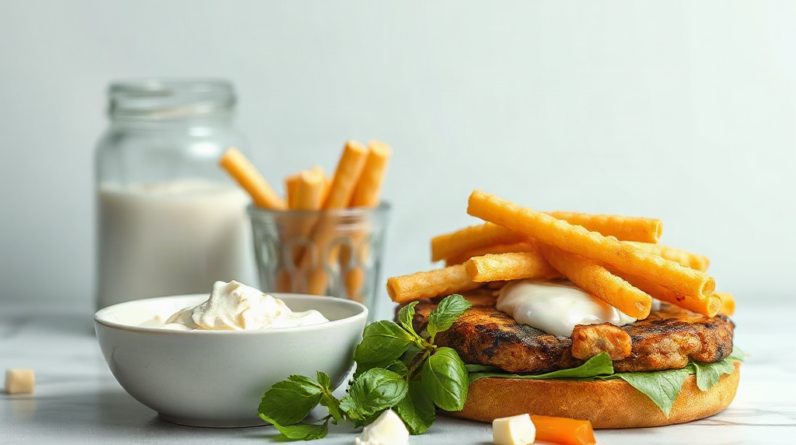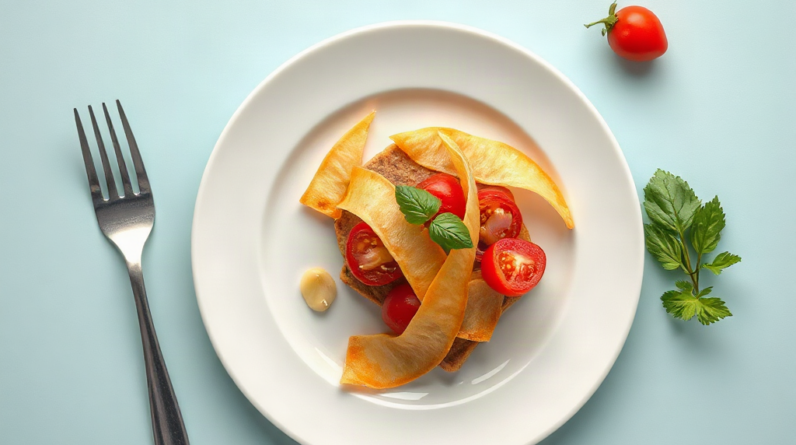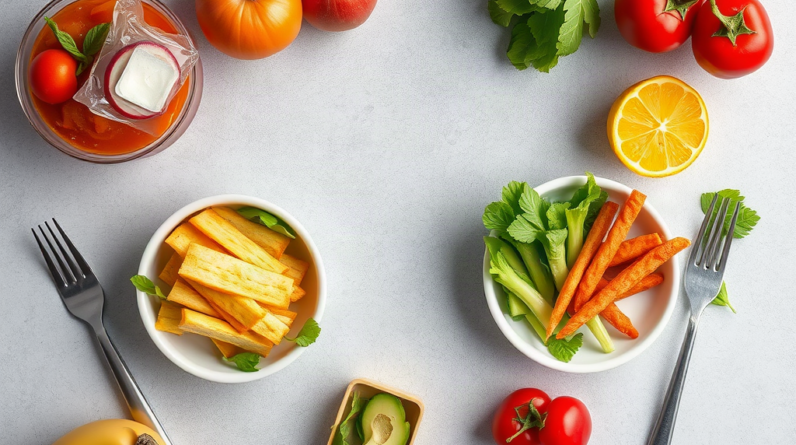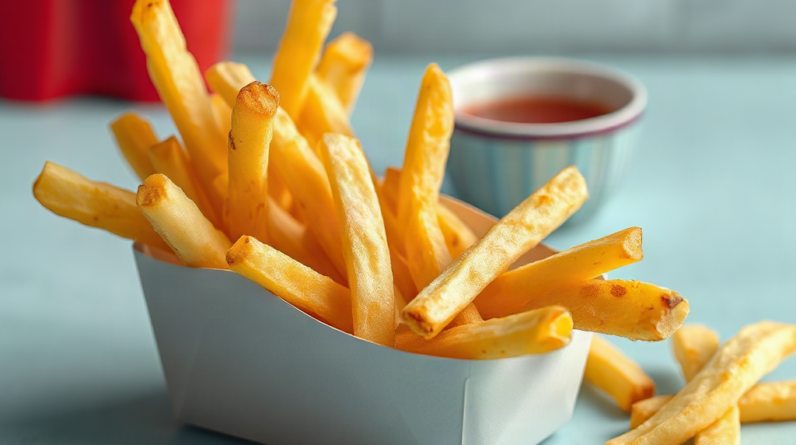
Alternatives to French fries with a similar texture include baked potato wedges, air-fried sweet potatoes, parsnip fries, polenta sticks, green beans, jicama, turnips, and firm tofu strips. The closest results come from cutting pieces evenly, drying their surfaces, applying a thin layer of oil, and cooking them with space for hot air to circulate. Potatoes provide the most familiar crisp-shell, fluffy-center contrast, while vegetables and tofu create distinct flavors and densities. Choose according to the texture you value most, because no substitute matches traditional fries in crispness, interior softness, flavor, and cooking behavior at the same time.
What Creates a French Fry-Like Texture?
A convincing fry substitute needs contrast: a dry, browned exterior surrounding an interior that remains tender rather than leathery. Traditional potato fries achieve that contrast particularly well because potatoes contain starch that changes during cooking. Moisture escapes from the surface, the outside browns, and the center softens. Alternatives with less starch, more water, or a fibrous structure behave differently even when cut into familiar batons.
The word “crispy” can obscure several distinct preferences. Someone who likes thin fast-food fries may prioritize an audible crunch and browned edges. A person who prefers steak fries may care more about a fluffy center. Sweet potatoes, parsnips, and turnips can imitate the overall shape and some exterior browning, but they will not reproduce every quality of a white potato. Polenta and tofu take another route: their interiors are already cohesive, so cooking mainly firms and browns their surfaces.
Water is the main obstacle to crispness. Zucchini, green beans, and other water-rich vegetables release steam as they heat. If pieces are crowded, that steam stays around the food and softens the surface. Dense root vegetables contain less free water but can remain hard inside if cut too thickly or cooked at an excessively high temperature from the start. A dark exterior is not proof that the center is ready.
Three practical texture categories make selection easier:
- Closest to classic fries: baked potato wedges or air-fried potato batons retain the expected potato flavor and soft center while using a different cooking method.
- Crisp-edged vegetable substitutes: sweet potato, parsnip, turnip, jicama, and green beans offer browning with varying degrees of sweetness, moisture, and firmness.
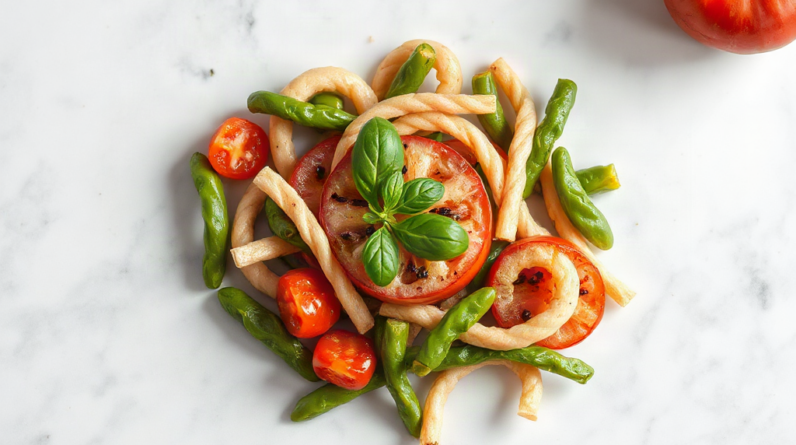
- Firm, dippable alternatives: chilled polenta sticks and tofu strips produce sturdy pieces with crisp surfaces but less resemblance to a fluffy potato interior.
A common mistake is judging every option by deep-fried potato standards. Instead, decide whether exterior crunch, interior softness, lower oil use, a different nutrient profile, or suitability for dipping matters most. That priority points to a better choice than simply labeling one food the universal replacement.
Which Potato and Root-Vegetable Options Work Best?
Potato wedges remain the nearest match when texture is the primary goal. Russet-type potatoes generally develop a dry, fluffy interior, while waxier potatoes tend to stay denser and creamier. Baking or air-frying changes the amount and distribution of added oil, but it does not turn fries into an unlimited food. Portion size, salt, sauces, and the rest of the meal still shape their nutritional role.
Sweet potatoes offer a tender center and browned edges, although they rarely become as uniformly crisp as white potatoes without a coating. Their natural sugars encourage browning and can also cause the tips to darken before thicker sections firm up. Cut them into narrow, consistent batons and watch the final minutes closely. A light dusting of cornstarch may improve surface dryness, but too much produces a chalky shell rather than a delicate crust.
Parsnips are useful when a slightly sweet, aromatic flavor fits the meal. They brown readily and become tender, but narrow ends can burn before wider pieces finish. Trimming pieces to a similar thickness matters more than preserving each root’s full length. Turnips are less sweet and somewhat lighter in texture, yet they can retain a faintly bitter or peppery note. Blanching thick turnip pieces briefly before roasting can help the interior soften, provided they are dried thoroughly afterward.
Jicama stays firmer and more juicy than potato, even after extended cooking. That makes it a better choice for people who enjoy a crisp-chewy bite than for anyone expecting a fluffy center. Pre-cooking jicama by simmering or microwaving can reduce its raw crunch before air-frying, but it will still keep more structure than a potato. Calling it an exact low-starch duplicate creates unrealistic expectations.
| Option | Exterior | Interior | Best Use |
|---|---|---|---|
| Potato wedges | Crisp and browned | Fluffy or creamy | Closest traditional texture |
| Sweet potato | Browned, moderately crisp | Soft and moist | Sweet-savory seasonings |
| Parsnip | Caramelized edges | Tender and fibrous | Roasted meals |
| Turnip | Lightly crisp | Soft but less starchy | Savory spice blends |
| Jicama | Firm and dry-edged | Crisp-chewy | Those who prefer more bite |
For a first attempt, use potato or sweet potato rather than the least potato-like root. Once the cooking method is reliable, parsnip, turnip, or jicama can add variety. The sign of success is not identical flavor; it is an evenly cooked piece with enough exterior browning to contrast with its center.
Can Non-Root Foods Deliver a Crisp Exterior?
Non-root foods can produce crisp, dippable pieces, but their internal texture follows their original structure. Green beans, polenta, and tofu are strong options because each tolerates high heat and can be served in a fry-like format. Zucchini can work too, although its high moisture content usually requires breading and careful handling.
Whole green beans provide a naturally slender shape and a fresh snap. A light coating of oil followed by roasting or air-frying can blister the surface, but the result is closer to a crisp roasted vegetable than a potato fry. Bread crumbs or finely crushed whole-grain cereal create a crunchier shell. Coated beans need enough separation on the tray to keep the breading dry; piled beans release steam and shed their coating.
Polenta sticks create one of the strongest exterior-to-interior contrasts. Cooked polenta must first chill until firm, then be cut into batons and baked or air-fried. The outside becomes crisp while the center stays creamy and corn-flavored. Soft polenta or pieces cut before thorough chilling may slump, stick, or break. This option takes advance preparation, but it works especially well with tomato-based dips or alongside beans and vegetables.
Firm or extra-firm tofu produces a substantial, protein-containing alternative. Pressing or thoroughly blotting it removes surface moisture; a light starch coating then encourages browning. Tofu remains springy rather than fluffy, so it suits diners who want crisp edges and dipping convenience more than a potato imitation. Delicate silken tofu is unsuitable because it does not hold a baton shape during handling.
Good Health Solution is Easier Than Most People Think! Take a Look for Yourself!
Zucchini fries are more technique-sensitive. Salt can draw out moisture, but leaving salted zucchini too long may make it limp. A dry breading applied immediately before cooking provides structure, while a wire rack or air-fryer basket exposes more of the coating to moving air. The coating may crisp even though the zucchini beneath remains soft and juicy.
The recurring mistake with these foods is adding enough oil to make them greasy without addressing moisture. Oil promotes surface contact and browning, but it cannot compensate for wet food, crowded cookware, or loose breading. Choose polenta for a creamy center, tofu for a firmer bite, green beans for freshness, and zucchini when a breaded vegetable texture is appealing.
How to Cook Crisper Fry Alternatives
Surface preparation and airflow have more influence on crispness than an oversized amount of oil. Begin with evenly sized pieces so their centers finish at roughly the same time. Rinse cut white potatoes if desired to remove loose surface starch, but dry them completely afterward. Other vegetables generally need only washing, cutting, and thorough drying unless pre-cooking is required to soften a dense interior.
Use a thin, even oil film rather than pouring oil directly over a crowded pile. Tossing in a bowl distributes it more reliably. Seasonings containing sugar or cheese can darken quickly, so they are often better added late or monitored closely. Salt can pull moisture from some vegetables; when maximum crunch is the goal, salting near the end may work better than letting salted pieces sit before cooking.
A compact cooking sequence keeps the process consistent:
- Match the cuts: remove very thin tips or cook them on a separate tray.
- Dry the surface: blot visible moisture, particularly after rinsing, blanching, or pressing.
- Coat lightly: apply a small amount of oil and, when suitable, a thin starch or crumb layer.
- Leave open space: arrange one layer with gaps rather than overlapping pieces.
- Turn and inspect: rotate pieces once the underside has browned, then remove narrow pieces early if necessary.
- Serve promptly: trapped steam softens crisp surfaces as cooked pieces sit.
An oven handles a full tray more efficiently, while an air fryer circulates hot air around a smaller quantity. Neither appliance guarantees crunch. Overloading an air-fryer basket can produce pale, flexible pieces, and a crowded oven tray can behave like a covered pan. Cooking in batches is often the practical tradeoff for a crisper result.
Look for dry-looking edges, patchy golden browning, and a center that yields when pierced. Failure signs include a glossy wet surface, breading that slides off, or a dark exterior around a hard center. Wet pieces need more drying and space; hard centers require thinner cuts, lower heat for part of the cooking time, or brief pre-cooking. If the outside burns early, reduce sugary seasonings and avoid assuming that hotter is always better.
Nutrition also depends on the finished plate rather than the substitute’s name. Vegetables can add fiber, vitamins, minerals, and variety, but heavy breading, generous oil, salty seasoning, and rich dips may change the meal substantially. Pairing a crisp alternative with a protein food and another vegetable creates a more complete meal than treating the swap as a nutritional guarantee.
Frequently Asked Questions
What is the closest alternative to traditional French fries?
Oven-baked or air-fried russet potato batons are the closest because they retain the familiar starchy, fluffy center. Proper drying, light oil coverage, and uncrowded cooking improve the exterior.
Which vegetable makes the crispiest fry substitute?
Parsnips and thin sweet potato batons brown well, while breaded green beans can develop a crunchier coating. The result depends more on surface moisture and spacing than on the vegetable alone.
Why do homemade vegetable fries turn soggy?
Common causes include wet surfaces, overcrowded trays, thick uneven cuts, and letting cooked pieces sit where steam becomes trapped. Dry the food and cook it in a ventilated single layer.
Do air fryers make every fry alternative crispy?
No. Air fryers improve airflow, but watery vegetables and overloaded baskets can still produce soft results. Small batches and an appropriate coating are often necessary.
Can fry alternatives be prepared without oil?
They can be cooked without added oil, but browning may be lighter and coatings may feel drier. A very thin oil layer usually improves color and surface texture without requiring deep-frying.
Conclusion
The most satisfying substitute depends on which part of a French fry experience matters to you. Choose baked or air-fried potato when a fluffy center is non-negotiable, sweet potato or parsnip for tender pieces with browned edges, and jicama for a firmer bite. Polenta offers a creamy interior, while tofu and green beans provide distinctly different but sturdy, crisp-edged options.
Technique determines whether any of them succeeds. Keep cuts consistent, remove surface moisture, coat lightly, leave room for airflow, and serve the pieces before steam softens them. Test one tray before changing several variables at once. If the result is soggy, correct moisture and crowding first; if the center stays hard, use thinner cuts or pre-cook dense vegetables. That approach produces a useful alternative without pretending every ingredient behaves like a potato.
 Good Health Solution is Easier Than Most People Think! Take a Look for Yourself!