Eating on a dime without sacrificing nutrition at home works best when meals are built around low-cost staples such as beans, lentils, eggs, oats, potatoes, frozen vegetables, and canned fish. Compare unit prices, buy perishables only in quantities you can use, and choose store brands when ingredient lists are comparable. Combine a protein source, a fiber-rich carbohydrate, produce, and a modest amount of fat rather than relying on inexpensive packaged snacks. Plan several meals around overlapping ingredients, freeze extra portions promptly, and track discarded food because preventing waste often saves more than chasing small discounts.
Which Budget Foods Deliver the Most Nutrition?
The strongest budget ingredients provide more than cheap calories. They contribute protein, fiber, vitamins, minerals, or satisfying volume while fitting into several different dishes. Dry or canned beans, lentils, eggs, oats, brown or enriched rice, potatoes, cabbage, carrots, peanut butter, frozen vegetables, canned tomatoes, plain yogurt, and canned fish are useful examples. Exact value varies by local prices, dietary needs, storage space, and whether a household has time to cook from basic ingredients.
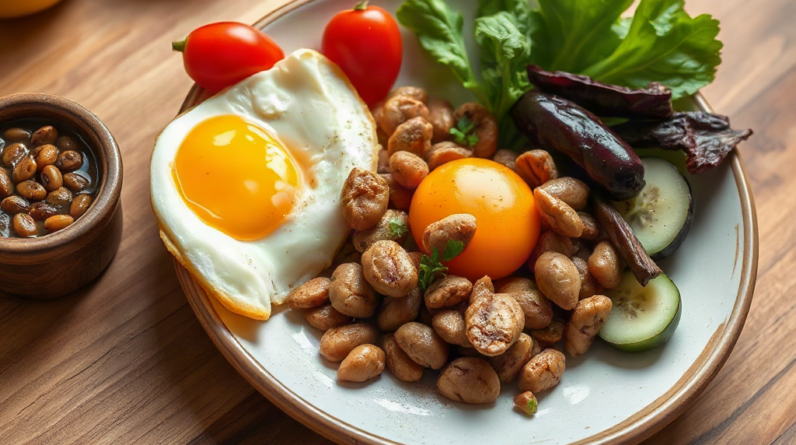
Protein deserves deliberate attention because the least expensive packaged products often consist mainly of refined starch, added sugar, or fat. Beans and lentils usually stretch farther when used in soups, curries, tacos, and grain bowls. Eggs can cover breakfast, sandwiches, fried rice, or a vegetable frittata. Canned tuna, salmon, or sardines may be practical occasionally, but the lowest price per can does not necessarily mean the lowest price per serving. Compare drained weight and consider how many people the product will feed.
Produce does not have to be fresh to count. Frozen vegetables are washed, prepared, and easy to portion, so they can be economical when fresh vegetables tend to spoil. Canned vegetables are another workable option; shoppers who monitor sodium may prefer lower-sodium varieties or drain and rinse standard versions. Long-lasting fresh choices such as cabbage, carrots, onions, apples, and whole potatoes can be better buys than delicate produce if they are consistently used rather than discarded.
A simple way to judge a staple is to ask whether it supplies at least two useful qualities: protein, fiber, micronutrients, meal volume, versatility, or long storage life. Oats offer fiber and work in porridge, baked dishes, and homemade granola. Lentils provide protein and fiber and cook faster than many dried beans. Potatoes contribute potassium and vitamin C, but their nutritional role changes when they are mainly served as chips or loaded with costly toppings.
The common mistake is treating a single inexpensive ingredient as a complete meal. Plain noodles may be filling for an hour but offer a narrower nutrient mix than noodles combined with frozen peas, an egg, and peanut sauce. Rice becomes more substantial with black beans, cabbage slaw, and salsa. The practical goal is not to identify one perfect bargain; it is to keep a small group of complementary staples that can produce balanced combinations without requiring a new purchase for every recipe.
How Can You Plan Low-Cost, Balanced Meals?
Effective budget planning begins with ingredients already in the kitchen, not with a long menu assembled from unrelated recipes. Check the refrigerator, freezer, and pantry before shopping, then identify foods that need to be used soon. A half bag of carrots, cooked rice, and two eggs can become fried rice; buying a separate set of ingredients for a new recipe would raise the bill and leave the existing food at risk of spoiling.
Build each main meal from four functional parts: a protein source, a fiber-rich carbohydrate, a fruit or vegetable, and a small amount of fat or flavorful sauce. Every plate does not need to look identical, and individual energy or nutrition needs differ. The structure simply prevents a low grocery total from being achieved through meals made almost entirely from one refined carbohydrate.
| Meal Part | Lower-Cost Options | Example Use |
|---|---|---|
| Protein | Beans, lentils, eggs, plain yogurt, canned fish | Lentil tomato soup |
| Fiber-rich carbohydrate | Oats, potatoes, whole-grain pasta, rice | Oats with yogurt and fruit |
| Produce | Frozen mixed vegetables, cabbage, carrots, seasonal fruit | Cabbage and carrot slaw |
| Flavor or fat | Peanut butter, oil, seeds, herbs, salsa | Peanut sauce for a grain bowl |
Ingredient overlap makes the method economical. Suppose a household buys black beans, rice, cabbage, carrots, eggs, canned tomatoes, tortillas, and a block of cheese. Those ingredients can support bean-and-rice bowls, vegetable tacos, tomato rice soup, breakfast burritos, and egg fried rice. Repetition occurs at the ingredient level, while seasonings and formats keep the meals from feeling identical.
Plan one or two flexible meals rather than assigning every ingredient to a rigid recipe. A soup, omelet, stir-fry, baked potato, or grain bowl can absorb small leftovers. This flexibility is particularly valuable when work schedules change or one planned dinner produces more portions than expected. Cooking every meal from scratch may look cheapest on paper, but it can fail if time pressure leads to takeout. Keeping a few convenient options—such as frozen vegetables, canned beans, or whole-grain bread—can be worth a modest price premium when they prevent a more expensive fallback.
Signs that the plan is working include using most perishables before they decline, having a realistic lunch available, and needing only a few top-up purchases. Warning signs include repeated emergency shopping, leftover ingredients with no assigned use, and meals that leave people searching for snacks soon afterward. Adjust the next plan based on what was actually eaten, not on an idealized schedule.
Shop by Value Instead of Sticker Price
The lowest shelf price is not automatically the best value. Package size, edible yield, preparation time, storage life, and likely waste all affect what a serving really costs. A large container of greens may carry a favorable unit price, but a smaller frozen bag is the better purchase if half the fresh container routinely spoils. Conversely, a larger bag of oats can be economical for a household that eats oatmeal several times a week and has dry storage space.
Use the unit price shown on the shelf label when the units match. Compare price per ounce with price per ounce, not with price per pound or per item. For canned products, consider whether much of the listed weight is liquid. For meat or poultry, account for bones and trimming. Store brands often cost less than national labels, but compare the actual product rather than assuming equivalence; package weight, added ingredients, and flavor can differ.
Sales are useful only when they match normal eating habits. A discount on cereal no one enjoys does not protect the grocery budget. Stocking up is most defensible for shelf-stable or freezable items that already appear in regular meals, provided the purchase does not consume money needed for fresh food that week. Limited cash flow can make a small package the only realistic choice even when its unit price is higher, so bulk buying should not be treated as a universal rule.
Convenience requires a more nuanced comparison. Dried beans generally cost less per cooked portion than canned beans, but they require soaking or cooking time and planning. Canned beans may be the better operational choice for a rushed household because they can turn leftover rice and frozen vegetables into dinner quickly. Whole carrots are often cheaper than pre-cut carrots, yet pre-cut produce may be worthwhile for someone whose physical limitations or schedule make preparation a barrier. The best value is the least costly option that will actually be prepared and eaten.
Use a short priority sequence at the store:
- Secure meal foundations: Choose affordable proteins and staple carbohydrates first.
- Add durable produce: Favor forms and quantities the household can finish.
- Cover flavor: Select a few sauces, spices, or aromatics that make repeated staples appealing.
- Review extras: Add drinks, desserts, and snack products only after the planned meals are covered.
A common failure mode is saving a few cents on core ingredients while spending heavily on individually packaged drinks or snacks. Reviewing the receipt by category can expose that imbalance. The goal is not to remove every enjoyable extra, but to make optional purchases visible instead of allowing them to crowd out the ingredients needed for complete meals.
Good Health Solution is Easier Than Most People Think! Take a Look for Yourself!
How Do You Cut Food Waste and Protect Your Savings?
Waste control is part of nutrition planning because discarded food removes both money and usable nutrients from the household. Begin by giving highly perishable foods a specific purpose within the next few days. A vague intention to eat spinach is weaker than assigning it to Monday’s eggs and Tuesday’s pasta. Keep those foods visible at eye level rather than buried behind condiments or newly purchased items.
Separate planned leftovers from forgotten leftovers. Portion extra soup, beans, chili, or cooked grains soon after the meal, label the container with its contents and date, and refrigerate or freeze it promptly. Food-safety storage times vary by item and conditions, so consult official storage guidance when uncertain rather than relying only on smell or appearance. Freezing in meal-sized portions prevents the need to thaw a large batch that cannot be finished.
Repurposing works best when the original food is simply seasoned. Plain roasted vegetables can enter an omelet, soup, or pasta dish, while heavily dressed vegetables have fewer destinations. A batch of lentils can become soup one night and taco filling the next. Cooked chicken might be used in sandwiches and a vegetable stew. This approach is different from repeatedly reheating the same plate; it changes the format while preserving the costly component.
Track what goes into the trash for two weeks. Note the item and the reason: too much was purchased, the recipe was unpopular, plans changed, or the food was stored poorly. The pattern points to the right correction. Spoiled salad greens suggest buying a smaller amount or choosing cabbage, whereas repeatedly discarded leftovers suggest cooking fewer portions or freezing them earlier. Buying more storage containers will not fix overambitious meal planning.
A low price can also create waste when shoppers purchase unfamiliar ingredients without a clear use. Trying new foods can broaden a diet, but start with a small quantity and pair the item with familiar flavors. Likewise, produce sold by the piece can be better than a discounted multipack when only one or two portions are needed. The useful metric is cost per portion eaten, not cost per package brought home.
The system is working when older food is used before new food, frozen portions are easy to identify, and shopping quantities match household appetite. It is failing when the refrigerator stays crowded but planned meals still cannot be assembled. In that case, pause stock-up purchases, create several meals from existing supplies, and rebuild the next list around genuine gaps.
Conclusion
A durable grocery budget comes from selecting versatile staples, combining them into complete meals, and using what is purchased. Begin with a kitchen inventory, choose several overlapping meals, and make protein, fiber-rich carbohydrates, and usable produce the first spending priorities. Compare unit prices, but account for preparation time, storage limits, and the portion likely to be eaten.
For the next shopping cycle, identify three affordable meal foundations and one flexible dish for leftovers. Buy perishables in realistic quantities, place short-lived items where they remain visible, and freeze extra portions before they become an obligation. Review discarded food and unplanned purchases after the week ends. Those observations provide a more accurate route to savings than a rigid menu or a cart filled with bargains that do not become meals.
Frequently Asked Questions
What are the best inexpensive protein sources?
Beans, lentils, eggs, peanut butter, plain yogurt, and canned fish are versatile options. Compare price per usable serving, and rotate choices because cost, dietary suitability, and nutrient profiles differ.
Are frozen vegetables as practical as fresh vegetables?
Frozen vegetables are often more practical when fresh produce tends to spoil. They are easy to portion and work well in soups, pasta, stir-fries, and egg dishes without requiring extensive preparation.
Is buying in bulk always cheaper?
No. Bulk purchasing saves money only when the unit price is lower, the food can be stored safely, and the household will use it. A smaller package is better when cash, space, or spoilage is a concern.
How can I make inexpensive meals more filling?
Combine protein and fiber-rich ingredients, such as lentils with rice and vegetables or oats with yogurt and fruit. Adding produce and a modest amount of fat can create a more substantial meal than refined starch alone.
Should I plan every meal before grocery shopping?
Plan the main meals, but leave room for one or two flexible dishes that use leftovers. Overly rigid plans often fail when schedules change, while soups, omelets, and grain bowls can absorb food already on hand.
Further Reading
Authoritative Sources
- What Is MyPlate?
myplate.govUSDA guidance explains the major food groups that can be considered when assembling balanced meals on a limited budget
- Healthy Eating on a Budget
myplate.govThis USDA resource offers practical ideas for planning purchases, comparing options, and making economical meals
- FoodKeeper App
foodsafety.govThis federal resource provides food-storage guidance that can help households use groceries safely and reduce avoidable waste
- Meal Planning, Shopping, and Budgeting
snaped.fns.usda.govUSDA SNAP-Ed materials collect practical resources for planning nutritious purchases within household budget constraints
 Good Health Solution is Easier Than Most People Think! Take a Look for Yourself!