Healthy travel snacks for long journeys should combine protein, fiber-rich carbohydrates, and unsaturated fats while remaining safe and practical at the expected temperature. Pack sturdy choices such as unsalted nuts, roasted chickpeas, whole-grain crackers, firm fruit, and shelf-stable tuna pouches, then add chilled yogurt, cheese, eggs, or cut produce only when a reliable cooler is available. Portion foods before departure, protect them from crushing, and carry water rather than relying on sugary drinks. Account for allergies, dietary needs, security restrictions, and disposal options; perishables that have become warm or questionable should be discarded rather than saved for later.
What Makes a Travel Snack Satisfying?
A useful travel snack should address hunger without creating a storage, cleanup, or comfort problem. Foods containing protein, fiber, or fat generally take longer to eat and digest than candy, sweet pastries, or sweetened drinks alone. Pairing more than one food group also produces a snack that feels closer to a small meal, which can be valuable when the next reliable food stop is hours away.
Consider the difference between eating a plain packet of crackers and pairing whole-grain crackers with peanut butter. The first option mainly supplies carbohydrate and may leave some travelers hungry again quickly. The second adds protein and fat, making it more substantial. An apple with almonds, a banana with a single-serve nut butter packet, or roasted chickpeas with dried fruit follows the same principle. These combinations are not automatically suitable for everyone, but they offer a practical starting point.
Portion size should reflect the role of the snack. A short bridge between breakfast and lunch may require only fruit and a small handful of nuts. A delayed airport connection or a remote driving route may justify a larger combination, such as a whole-grain wrap, fruit, and water. Packing every snack as though it were a meal can lead to mindless eating and excess waste, while packing only tiny portions may encourage an expensive or less suitable purchase at the next stop.
Comfort matters as much as nutrient composition. Very salty foods can increase thirst, while large servings of rich, greasy, or unusually high-fiber foods may be uncomfortable for people who sit for long periods or have sensitive digestion. Familiar foods are usually a safer choice than testing a new protein bar or heavily seasoned snack on departure day. People managing diabetes, food allergies, gastrointestinal conditions, kidney disease, or another nutrition-sensitive condition may need individualized advice rather than a general packing formula.
A practical way to evaluate a snack is to check four features before it enters the bag:
- Staying power: Does it include protein, fiber, or fat rather than mostly added sugar?
- Durability: Will it tolerate movement, pressure, and the expected temperature?
- Convenience: Can it be opened and eaten safely in the available space?
- Personal fit: Is the portion familiar, comfortable, and appropriate for the traveler?
A snack plan is working when travelers remain comfortably satisfied, have enough water, and finish most of what was packed. Frequent hunger soon after eating, persistent thirst, crushed food, leaking containers, or repeated impulse purchases indicate that the mix or packing method needs adjustment.
Which Snacks Travel Without Refrigeration?
Shelf-stable foods are the simplest choice when temperature control is uncertain. Useful options include whole fruit, unsalted nuts and seeds, roasted beans, whole-grain crackers, plain popcorn, nut or seed butter packets, dried fruit, shelf-stable tuna or salmon pouches, and certain unopened snack bars. The label remains the best source for storage instructions because similar-looking products can have different requirements.
Whole fruit usually travels better than cut fruit. Apples, oranges, and firm pears have protective skins and tolerate a day bag better than ripe peaches or berries. Bananas are convenient but bruise easily, so they belong near the top of a bag or in a rigid container. Dried fruit is more compact, yet its smaller volume makes it easy to eat a larger portion than intended. Combining a modest amount with nuts or seeds creates a more balanced option than repeatedly eating it straight from a large package.
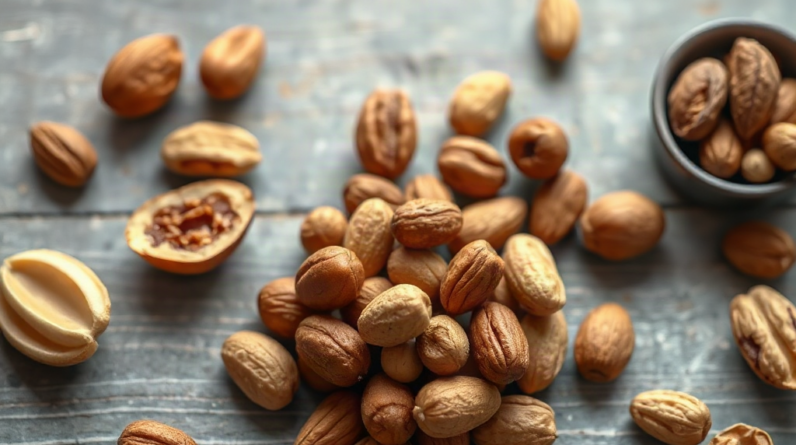
Nuts and roasted legumes provide concentrated energy in a small space, which is useful during air or rail travel. Their compactness is also a limitation: a family-size bag can disappear quickly when passed around. Divide servings into small reusable containers before leaving. Where nut allergies affect a traveler or shared environment, roasted chickpeas, pumpkin seeds, whole-grain cereal, or another suitable alternative may be easier to manage. Never assume a product is allergen-free without checking its label and cross-contact statement.
Packaged bars vary widely. Some are mostly sweeteners and refined grains, while others include nuts, seeds, oats, or meaningful protein. Rather than treating the word “energy” as a health claim, compare the ingredient list, protein, fiber, added sugars, and serving size. A bar can be valuable when luggage space is tight, but it need not replace less processed options when fresh fruit or simple food combinations are practical.
Shelf-stable does not mean indestructible or safe after any treatment. Heat can melt coatings, soften bars, degrade texture, or damage packaging. Opened tuna pouches, dips, and other moist foods should not be kept indefinitely simply because the sealed product was sold at room temperature. Follow the package directions after opening and discard leftovers when safe storage is unavailable.
| Travel constraint | Practical option | Main limitation |
|---|---|---|
| Minimal bag space | Nuts, seeds, or a compact bar | Easy to overpack or overeat |
| No utensils | Whole fruit and roasted chickpeas | Peels and wrappers need disposal |
| Crush-prone luggage | Nut butter packets and firm fruit | Packets can leak if punctured |
| Long gap between meals | Crackers, nut butter, and fruit | Requires portioning before departure |
When Should You Pack a Cooler?
A cooler becomes worthwhile when preferred snacks require refrigeration and the route allows dependable temperature control. Yogurt, cheese, hard-cooked eggs, hummus, cut fruit, cut vegetables, sandwiches containing perishable fillings, and leftovers need more care than unopened shelf-stable foods. An insulated bag alone does not create refrigeration; it must be packed with sufficient frozen gel packs or another appropriate cold source and kept closed as much as possible.
Pack cold food directly from the refrigerator rather than allowing it to sit on the counter while the vehicle is loaded. Place cold sources around the food, fill empty space where practical, and keep the cooler away from direct sun or hot areas of a vehicle. A separate small bag for drinks can reduce repeated opening of the food cooler. If the trip includes an overnight hotel stop, confirm that a refrigerator is actually available and cooling properly rather than assuming every room has one.
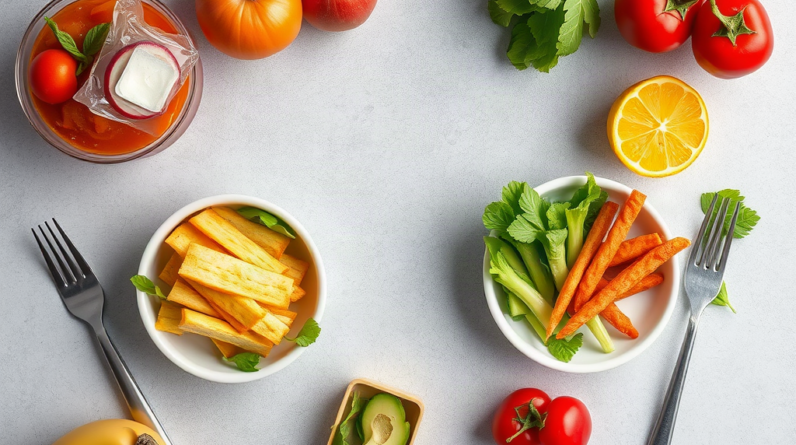
The tradeoff is weight and complexity. A cooler can support a wider range of foods, but it adds bulk, may leak, and requires attention at transfers. For a train trip with limited luggage, shelf-stable crackers, fruit, and roasted edamame may be more realistic than carrying yogurt and vegetable dip. For a family road trip with easy vehicle access, a well-packed cooler may make sandwiches, cheese, and washed produce practical while reducing dependence on roadside food.
Good Health Solution is Easier Than Most People Think! Take a Look for Yourself!
Time and temperature safety cannot be judged reliably by smell alone. Perishable food that has spent too long outside safe refrigeration may look normal. Conditions also differ: a hot parked car raises concern more quickly than a cool indoor waiting area. When the temperature history is uncertain, discarding the food is safer than trying to rescue it. Travelers who need exact handling limits should consult current government food-safety guidance and the product label because recommendations can depend on the food and conditions.
Preparation hygiene still matters. Wash hands before making snacks, clean produce under running water where appropriate, use clean cutting surfaces, and keep ready-to-eat items away from raw meat or poultry. A reusable ice pack should not be placed against unprotected food if its exterior has contacted dirty surfaces. The plan is failing if cold items feel warm, ice packs have fully thawed early, containers are leaking, or food was forgotten in a vehicle. Carrying one shelf-stable backup prevents a cooling failure from turning into a missed meal.
How to Pack Snacks for the Route
Pack for the actual route rather than an ideal schedule. Estimate where food is likely to be available, how long delays could last, whether eating is permitted, and how much space each traveler can access. Snacks buried in checked luggage or at the bottom of a packed trunk are not useful during an unexpected wait. Keep the first planned snack, water, napkins, and any needed utensils together in an accessible bag.
Start by matching food to the travel mode. Drivers need foods that do not demand peeling, dipping, or looking away from the road; the safest approach is to eat while stopped. Airline passengers must account for security rules, customs or agricultural restrictions, and limited disposal space. Train and bus travelers may have more freedom to eat but little room for a cooler. Rules vary by location and carrier, so check official instructions before packing liquids, gels, ice packs, fresh produce, or food for an international border crossing.
Use a simple packing sequence:
- Map the eating windows. Identify expected meals and add a backup for one realistic delay.
- Choose complementary foods. Pair a protein or fat source with fruit, vegetables, or a whole-grain item.
- Portion and label. Separate servings and mark allergy-sensitive foods clearly.
- Protect the contents. Use rigid containers for soft fruit and leak-resistant containers for moist foods.
- Add hydration and cleanup. Carry water where permitted, plus napkins and a small waste bag.
Hydration deserves a deliberate plan because salty snacks, dry cabin air, warm weather, and long periods between stops can increase thirst. Water is usually the most straightforward option. Large amounts of sweetened or caffeinated drinks may not suit everyone, and drinking excessive fluid immediately before a stretch without restroom access can be impractical. Sip according to thirst and personal needs rather than following an arbitrary universal target.
A common mistake is packing too much variety. Several open bags create crumbs, waste, and decision fatigue, especially with children. Two or three dependable combinations are often easier: an apple with nut butter, crackers with a tuna pouch, and a cooler-held yogurt with berries, for example. Another mistake is forgetting the return segment. Reserve sealed, durable items for the trip home instead of relying on perishable leftovers that have uncertain temperature histories.
Review the bag after the trip. Note which foods were eaten first, which caused mess or discomfort, and which returned untouched. That evidence is more useful than copying a universal snack list. On the next trip, keep successful portions, replace fragile packaging, and reduce foods nobody wanted. A workable system should leave travelers adequately fed without producing a heavy bag of crushed, warm, or unwanted food.
Frequently Asked Questions
What are good snacks for an all-day road trip?
Combine sturdy foods such as apples, nuts, roasted chickpeas, whole-grain crackers, and nut butter. Use a properly chilled cooler for yogurt, cheese, eggs, hummus, sandwiches, or cut produce, and eat only while safely stopped.
How can I pack travel snacks without eating too much?
Divide food into individual portions before departure instead of carrying open family-size packages. Plan snacks around expected meal gaps and include protein, fiber, or fat so each portion is more satisfying.
Which fruit is easiest to carry on a long trip?
Apples, oranges, and firm pears generally tolerate handling well. Protect bananas from pressure, keep delicate berries chilled, and check border or agricultural rules before carrying fresh produce between regions or countries.
Are protein bars always a healthy travel choice?
No. Formulas differ in protein, fiber, added sugar, ingredients, and serving size. Bars are convenient when space is limited, but fruit, nuts, roasted legumes, or simple food pairings may offer less processed alternatives.
What should I do if a refrigerated snack becomes warm?
Do not rely on appearance or smell to confirm safety. If the food has lost reliable temperature control or its storage history is uncertain, discard it and use a shelf-stable backup.
Conclusion
Successful snack packing begins with the route: expected meal gaps, available refrigeration, luggage limits, eating rules, allergies, and likely delays. Build each eating occasion around a modest pairing rather than a bag of unrelated snack foods, then portion it before leaving. Whole fruit, nuts, seeds, roasted legumes, crackers, and unopened shelf-stable pouches handle uncertain conditions well; dairy foods, eggs, hummus, cut produce, and perishable sandwiches belong in dependable cold storage.
Before departure, place food where it can be reached safely, protect soft items, add water and cleanup supplies, and retain one durable backup. Afterward, use what came home uneaten, crushed, or warm to improve the next packing list. The best selection is not the longest one—it is the smallest practical set that remains safe, satisfies the travelers, and fits the constraints of the route.
 Good Health Solution is Easier Than Most People Think! Take a Look for Yourself!