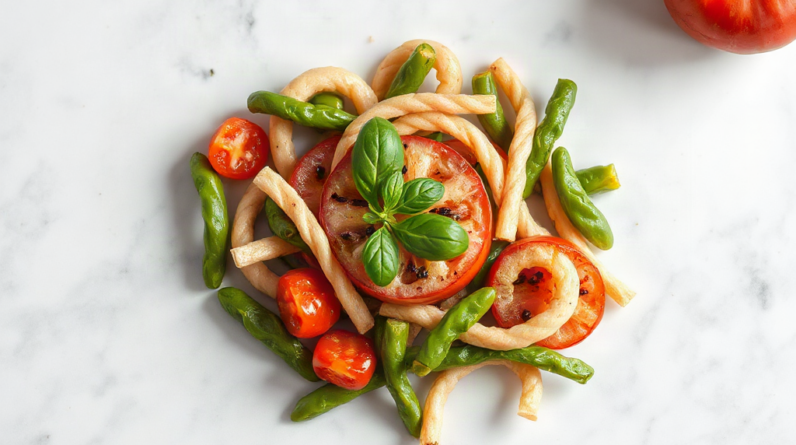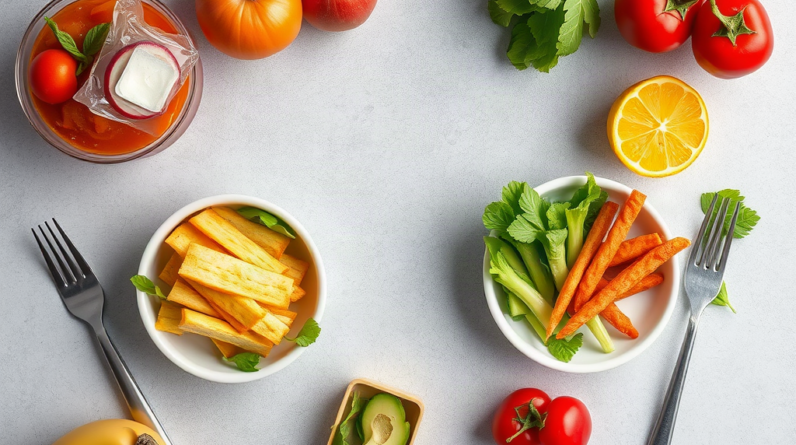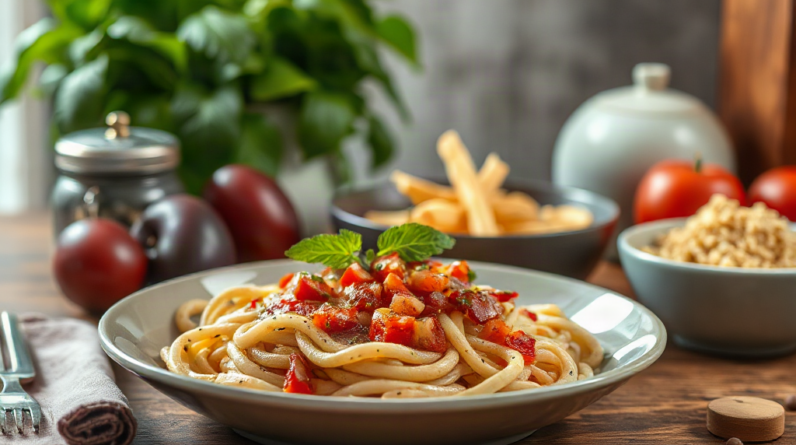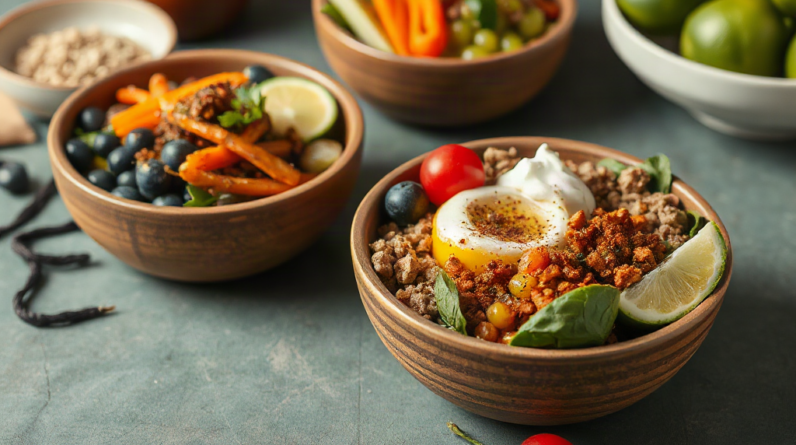
Quick healthy meals ready in thirty minutes are most reliable when the prep-to-plate plan combines a fast protein, quick-cooking vegetables, a whole-grain or starchy base, and one flavorful sauce. Choose ingredients that cook simultaneously, such as salmon with green beans or eggs with sautéed spinach, rather than recipes requiring several separate stages. Canned beans, frozen vegetables, precooked grains, and rotisserie chicken can shorten preparation without sacrificing useful nutrients. Keep portions practical, check sodium in convenience foods, and use safe thawing and reheating methods so speed does not come at the expense of balance or food safety.
What Makes a Thirty-Minute Meal Work?
A dependable thirty-minute dinner is built around compatible cooking times rather than an ambitious recipe with shortened instructions. A meal becomes difficult to finish on schedule when one component needs prolonged marinating, another requires slow roasting, and a third depends on careful last-minute preparation. The better approach is to select ingredients that can be prepared concurrently and finished with a shared seasoning or sauce.
Protein usually determines the schedule. Eggs, shrimp, thin fish fillets, canned beans, tofu cubes, ground poultry, and thinly sliced chicken can cook quickly. Thick bone-in cuts, dry beans, whole roasts, and firm vegetables cut into large pieces are poor choices when the entire process must fit into half an hour. Those ingredients are not less nutritious; they simply belong in a different cooking window or need advance preparation.
Vegetable size matters almost as much as the vegetable itself. Broccoli florets, shredded cabbage, sliced mushrooms, baby spinach, frozen peas, and thin pepper strips heat rapidly because more surface area reaches the pan. Dense vegetables such as whole potatoes or large squash pieces take longer. Cutting a potato into small cubes or microwaving it briefly before crisping it in a skillet changes the timing without requiring a different food.
The common mistake is counting only active stove time. Washing produce, locating seasonings, boiling water, and clearing cutting space can consume much of the available window. A realistic thirty-minute plan begins when preparation starts, not when food reaches the pan. Set out the pan, knife, cutting board, seasonings, and ingredients before turning on the heat. This brief setup prevents repeated trips between the stove, refrigerator, and pantry.
Convenience ingredients can be useful when selected deliberately. Frozen vegetables are typically washed and cut, canned beans need only draining and rinsing, and precooked brown rice can be heated while the main component cooks. Compare labels when buying seasoned products because sauces, broths, canned foods, and prepared proteins can contribute substantial sodium. Convenience should remove low-value work, not dictate the entire meal.
How Do You Build a Balanced Plate Quickly?
A practical fast plate combines produce, protein, a satisfying carbohydrate, and enough flavor or fat to make the components feel like one meal. This structure is more flexible than memorizing recipes, and it makes substitutions easier when an ingredient is missing. It also reduces the chance that a supposedly healthy dinner consists of vegetables alone and leaves everyone hungry soon afterward.
Start with a protein suited to the time available. Fish, eggs, tofu, lentils, beans, yogurt-based sauces, and leftover cooked poultry are efficient options. Protein requirements vary with body size, activity, age, and individual health needs, so a universal portion should not be assumed. For ordinary meal planning, the useful question is whether the plate includes a recognizable protein source rather than only a small garnish.
Add at least one substantial vegetable. Fresh produce offers texture and choice, while frozen vegetables reduce washing and chopping. Neither format is automatically the better option. Frozen spinach works well in eggs, soups, and pasta sauces, but fresh spinach may be preferable in a crisp salad. Frozen broccoli can go directly into a covered skillet, whereas fresh broccoli is easier to keep firm when stir-fried.
Carbohydrates contribute energy, texture, and staying power. Quick choices include whole-grain couscous, whole-wheat tortillas, canned corn, microwaveable brown rice, quinoa cooked in advance, or small potatoes prepared in the microwave. People with specific blood glucose, kidney, digestive, or other medical concerns may need individualized guidance from a qualified clinician or registered dietitian rather than relying on a general plate formula.
Finish with a concentrated source of flavor. Lemon and olive oil brighten fish and greens; salsa ties together eggs, beans, and tortillas; pesto adds character to pasta and vegetables; and a mixture of plain yogurt, herbs, and garlic can replace a more time-consuming sauce. Measure highly concentrated sauces at first, then adjust. Adding too much salty or spicy sauce is harder to correct than adding a second spoonful later.
A useful check is whether the meal has contrast: something tender, something crisp or fresh, and enough acidity or seasoning to prevent blandness. If the plate is filling but dull, it may need lemon, vinegar, herbs, or a crunchy topping rather than more cheese or salt. If it looks colorful but feels insubstantial, add beans, eggs, fish, tofu, grains, or another meaningful protein-and-carbohydrate pairing.
A Four-Step Prep-to-Plate Plan
The most efficient sequence puts passive cooking first and delicate ingredients last. Instead of completing one component before starting the next, use waiting periods productively while keeping the number of active tasks manageable. Two burners and a microwave are often enough; using every available pan usually creates more cleanup and coordination than the time saved.
- Choose the time anchor. Identify the ingredient with the longest reliable cooking time, such as small potatoes, whole-grain couscous, or a tray of vegetables.
- Prepare protein and produce. Cut quick-cooking ingredients into even pieces and season them while the time anchor cooks.
- Cook in parallel. Use a skillet for the protein, a pot or microwave for the base, and add vegetables where they fit safely.
- Finish and adjust. Add sauce, herbs, citrus, or a crisp topping after checking doneness and seasoning.
Consider a salmon, couscous, and green bean dinner. Start the couscous according to its package directions, then season thin salmon fillets. Sauté or bake the salmon while green beans cook in the same oven or in a covered skillet. Mix lemon juice, olive oil, and herbs while the hot components finish. The ingredients share a flavor profile and do not compete for extended hands-on attention.
For a plant-based version, warm drained black beans with cumin and frozen corn while tortillas heat. Chop tomatoes or use prepared salsa, slice an avocado, and add shredded cabbage for crunch. This is faster than starting dried beans or making a cooked sauce, yet it still includes protein, produce, carbohydrate, and fat. Rinsing canned beans can remove some surface sodium, although the amount varies by product.
Safe handling still sets limits on speed. Do not leave frozen meat on the counter to accelerate thawing, and avoid crowding a pan so heavily that raw meat steams unevenly. Use properly thawed thin portions, cook from frozen only when package directions support it, and verify doneness with an appropriate food thermometer when preparing meat, poultry, or fish. Separate cutting surfaces or wash them thoroughly after contact with raw animal products.
The plan is working when the base cooks without constant attention, the protein finishes close to serving time, and only one sauce or seasoning blend is needed. It is failing when several components wait and cool, pans are overcrowded, or chopping continues while food burns. In that situation, simplify immediately: serve one vegetable instead of two, use an uncooked garnish, or replace a scratch-made side with a prepared whole-grain option.
Which Meal Combinations Work Best?
The best combinations share equipment, seasonings, or cooking methods. A skillet meal is efficient because vegetables can cook first, move to one side, and finish alongside a quick protein. A grain bowl works when the grain is precooked or naturally fast. Sheet-pan meals can fit the schedule when ingredients are cut small and the oven is preheated promptly, but thick proteins and dense vegetables may push them beyond thirty minutes.
| Meal | Fast Components | Best Timing Move |
|---|---|---|
| Egg and vegetable tacos | Eggs, spinach, beans, tortillas, salsa | Warm beans before scrambling the eggs |
| Salmon grain bowl | Thin salmon, precooked brown rice, cucumber, greens | Prepare cold toppings while the salmon cooks |
| Tofu stir-fry | Tofu, frozen stir-fry vegetables, quick noodles | Boil noodles while tofu browns |
| Chicken pesto pasta | Thin chicken strips, whole-wheat pasta, peas, pesto | Add frozen peas near the end of pasta cooking |
| Chickpea couscous bowl | Canned chickpeas, couscous, tomatoes, herbs | Chop vegetables while couscous rests |
Choose according to the evening’s constraint. When attention is limited, eggs and tacos are more forgiving than fish, which can overcook if ignored. When cleanup is the priority, a bowl assembled from precooked rice, canned beans, fresh vegetables, and a yogurt sauce may be preferable to a three-pan dinner. When budget matters, lentils, beans, eggs, seasonal produce, and frozen vegetables often stretch across several servings more easily than individually portioned convenience products.
Good Health Solution is Easier Than Most People Think! Take a Look for Yourself!
Prepared ingredients are not equally useful. Plain cooked grains and unseasoned frozen vegetables preserve flexibility, while a heavily sauced frozen entrée may leave little control over vegetables, portions, or sodium. Rotisserie chicken can save time, but removing the skin and pairing the meat with vegetables and a minimally seasoned base may produce a more adaptable plate than combining it with several salty prepared sides.
Repetition is not necessarily a planning failure. A dependable template can produce different dinners by changing one element: use brown rice with salmon on one night, tortillas with beans on another, and couscous with chickpeas later in the week. Repeating the structure while varying flavors is often more sustainable than buying unrelated ingredients for five entirely different recipes.
How Can You Fix Common Speed-Cooking Problems?
Most timing problems come from mismatched ingredients, too much preparation, or an overloaded cooking surface. Diagnose the bottleneck rather than trying to move faster. If chopping takes fifteen minutes, buy one or two vegetables already washed or cut, practice a simpler cut, or choose produce such as baby spinach, cherry tomatoes, and frozen florets that needs little knife work.
If food browns poorly, the pan may be crowded or insufficiently heated. Crowding releases moisture faster than it can evaporate, so vegetables and protein steam instead of developing color. Use a wider pan, cook a smaller batch, or choose a covered sauté where tenderness matters more than browning. Dividing everything into multiple batches may improve texture but can defeat the thirty-minute target, making a different cooking method the smarter tradeoff.
If meals repeatedly taste bland, the problem may be delayed seasoning or missing acidity rather than a lack of complicated ingredients. Season components lightly as they cook, then taste before serving. Lemon juice, lime juice, vinegar, fresh herbs, toasted seeds, or a small amount of a concentrated condiment can sharpen flavors quickly. Salt should not be the only corrective tool, particularly when canned foods, cheese, broth, or bottled sauces are already present.
If the meal is not satisfying, check its structure. A plate of lightly dressed vegetables may be quick and nutrient-rich but may not provide enough protein, carbohydrate, or fat for the person eating it. Add chickpeas, an egg, tofu, leftover chicken, whole grains, nuts, or avocado according to dietary needs and preferences. Conversely, a plate dominated by pasta or rice can be made more varied by folding in peas, spinach, mushrooms, beans, or a side of raw vegetables.
Keep a small recovery plan for nights when cooking falls behind. Eggs, canned beans, frozen vegetables, whole-grain bread, plain yogurt, and microwaveable grains can turn an abandoned recipe into a workable meal. If a protein remains frozen or a key ingredient has spoiled, switching formats is safer and faster than forcing the original plan. A successful quick dinner is one that reaches the table safely, offers useful nutritional variety, and fits the available energy—not one that follows the initial recipe at any cost.
Conclusion
Thirty-minute cooking becomes more dependable when ingredient timing guides the meal. Prioritize a quick protein, vegetables that need little preparation, a fast or previously cooked base, and one concentrated source of flavor. Start the longest passive task first, use its cooking time for chopping and seasoning, and simplify as soon as the schedule begins to slip.
Build a small rotation rather than searching for a different recipe every night. Eggs with vegetables and tortillas, fish with grains and greens, tofu with noodles, and beans with couscous can each support many flavor variations. Keep frozen produce, canned legumes, and plain precooked grains available for schedule disruptions. The next practical step is to choose three combinations your household will eat, record their true prep-to-plate times, and adjust the ingredients or sequence wherever delays occur.
Frequently Asked Questions
Can frozen vegetables be used in a thirty-minute meal?
Yes. Add them directly to soups, stir-fries, pasta, or covered skillets, following package directions when provided. Avoid overfilling the pan because accumulated moisture can make browning difficult.
What proteins cook quickly enough for weeknight dinners?
Eggs, shrimp, thin fish fillets, tofu, canned beans, ground poultry, and thin chicken strips are practical choices. Cooking time and safe final temperature depend on the specific food and its thickness.
Are microwaveable grains a reasonable shortcut?
They can be. Plain brown rice, quinoa, or mixed grains reduce cooking time while retaining flexibility. Compare ingredients, sodium, portion size, and price with batch-cooked or dry alternatives.
How can I keep quick dinners from becoming repetitive?
Repeat the plate structure but rotate sauces and seasonings. The same grain, vegetable, and protein format can take on Mediterranean, Mexican-inspired, or ginger-soy flavors without requiring an entirely new cooking method.
What should I prepare ahead for faster meals?
Wash sturdy produce, cook one grain, mix a versatile sauce, and portion proteins if they will be used promptly or frozen safely. Even one prepared component can remove a major weeknight bottleneck.
Further Reading
Authoritative Sources
- MyPlate
myplate.govUSDA meal-planning resources offer practical context for combining food groups in balanced everyday meals
- Four Steps to Food Safety
foodsafety.govThis federal resource explains cleaning, separating, cooking, and chilling practices relevant to fast home cooking
- Are You Storing Food Safely?
fda.govFDA storage guidance helps readers handle prepared ingredients and leftovers safely when planning quick meals
- Meal Prep and Cooking Tips
nutrition.govNutrition.gov collects practical resources for food preparation, cooking, and efficient meal planning
 Good Health Solution is Easier Than Most People Think! Take a Look for Yourself!