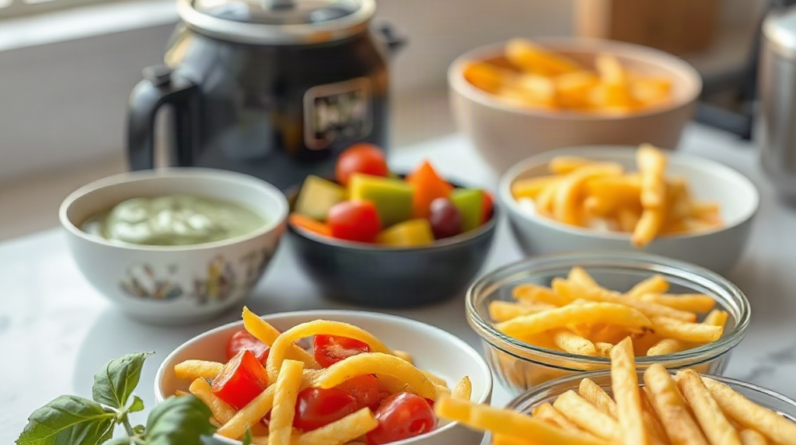
Healthy meal prep without losing food quality works best when ingredients are cooked according to how well they store, cooled promptly, packed in shallow airtight containers, and reheated only when needed. Keep sauces and crisp toppings separate, slightly undercook vegetables and pasta, and refrigerate only the portions intended for the next few days. Freeze later portions early rather than letting them deteriorate in the refrigerator. Quality is declining when vegetables become watery, grains harden, or flavors flatten; food may be unsafe if it develops spoilage signs or has been held outside safe storage conditions.
Why Does Prepared Food Lose Quality?
Prepared food changes because moisture moves, starches firm up, crisp surfaces absorb steam, and fresh flavors fade during storage. A meal can remain usable while becoming noticeably less appealing, so food quality and food safety must be evaluated separately. A soft roasted vegetable may be disappointing without showing spoilage, while food that looks normal may still have been mishandled if it remained warm for too long before refrigeration.
Moisture migration causes many familiar meal-prep failures. A crisp tortilla turns limp when it sits against salsa, roasted potatoes soften inside a sealed container, and cut fruit releases juice into yogurt or granola. Steam trapped during packing accelerates the problem. Allowing cooked food to stop actively steaming before sealing can protect texture, but it should not be left at room temperature for an extended period. Shallow containers help heat escape more efficiently than one deep, crowded container.
Starchy foods present a different challenge. Cooked rice, pasta, and potatoes become firmer as their starch structure changes during chilling. Some firmness is expected and can often be reduced by reheating with a small amount of water, broth, or sauce. Overcooking these foods on prep day makes the final result worse: soft pasta may become swollen after sitting in sauce, while overdone rice can turn dense or mushy depending on its moisture level.
Flavor also changes unevenly. Garlic, onions, chiles, and acidic dressings may become more pronounced, while delicate herbs and toasted aromas weaken. A bean salad may taste better after a night in the refrigerator because its seasoning has distributed, but basil on reheated pasta often loses its fresh character. Add fragile herbs, citrus zest, toasted seeds, and crunchy garnishes immediately before eating rather than expecting them to survive several days in a mixed container.
A common misconception is that one storage method should work for the whole dish. In practice, the component most vulnerable to moisture or repeated heating determines the result. Treating a grain bowl as separate grains, roasted vegetables, protein, dressing, and garnish takes slightly more packing space, but it preserves contrast and lets each portion be reheated appropriately.
Which Foods Hold Up Best During Meal Prep?
Foods that retain structure and tolerate reheating make the strongest foundation for advance preparation. Beans, lentils, sturdy grains, soups, stews, cooked poultry, roasted root vegetables, cabbage, broccoli, and firm sauces generally adapt well. Their texture does not depend on a just-cooked crust or a delicate cellular structure, and many can be portioned or frozen without a dramatic loss of quality.
Fragile foods require a different approach rather than automatic exclusion. Leafy salads, sliced tomatoes, cucumbers, avocado, fried foods, and crisp bread deteriorate quickly when combined with moisture. Prep their supporting components in advance, then cut or assemble the delicate portion near serving time. For example, wash and thoroughly dry lettuce, prepare cooked chicken and dressing, and store each separately. The final assembly takes only a minute but tastes substantially fresher than a dressed salad held for several days.
Whole-food ingredients often retain recognizable texture better than highly assembled convenience foods, but the comparison is not absolute. Frozen vegetables can be practical because they are already cleaned and portioned; they work especially well in soups, curries, and stir-fries where crispness is not the only quality measure. Breaded frozen products may remain convenient yet commonly lose their crust in a covered microwave container. Reheating them with dry heat may improve texture, although that takes more time.
Choose ingredients by their role in the finished meal:
- Stable base: brown rice, quinoa, barley, beans, lentils, or roasted potatoes.
- Protein component: eggs, tofu, fish, poultry, lean meat, beans, or yogurt, selected according to dietary needs and storage plans.
- Durable produce: carrots, cabbage, green beans, cauliflower, broccoli, squash, or sturdy greens.
- Fresh finish: herbs, lemon, pickled vegetables, nuts, seeds, or a separately packed dressing.
Nutrition should not be reduced to choosing ingredients that last longest. Vary produce colors, use whole grains or legumes when suitable, and include a protein source that fits the eater’s needs. People managing allergies, swallowing difficulties, digestive conditions, kidney disease, diabetes, or another medical concern may need individualized meal choices from a qualified clinician or registered dietitian. Meal preparation can support a consistent eating routine, but it is not a treatment for a health condition.
The frequent failure is preparing five identical complete meals even when one ingredient has a short quality window. A better option is modular preparation: refrigerate sturdy components, freeze extra cooked portions, and keep quick additions such as fruit, greens, or avocado uncut until needed.
How Should You Cook, Cool, and Portion Meals?
Cooking for storage calls for stopping certain foods slightly before their softest serving texture. Pasta intended for reheating should remain firm, roasted vegetables should keep some structure, and greens should not be cooked until fully collapsed. Residual heat and later reheating continue the process. Meat, poultry, seafood, and egg dishes still need to reach appropriate safe cooking conditions; texture preservation is never a reason to serve an inadequately cooked food.
Sequence the prep session around cooling and cross-contamination control. Start durable items such as grains or roasted vegetables first, prepare raw produce away from raw animal products, and use clean utensils and surfaces between tasks. If a recipe produces a large volume of soup, stew, rice, or casserole, divide it into shallow containers instead of placing one deep hot pot in the refrigerator. Smaller portions cool more evenly and are easier to reheat once.
Portion size affects quality as much as convenience. A family-size container opened and warmed repeatedly exposes the whole batch to temperature changes and extra handling. Individual portions prevent that cycle, while two-serving containers may be more practical for couples or shared lunches. Pack only what will be eaten together. Dressing, salsa, yogurt sauce, nuts, crackers, and raw vegetables generally belong in separate small containers.
| Meal Component | Prep-Day Approach | Serving-Day Finish |
|---|---|---|
| Grains | Cook until tender but not waterlogged | Add a splash of water before reheating |
| Roasted vegetables | Leave space on the pan for browning | Use dry heat when possible |
| Leafy salads | Wash and dry thoroughly | Add dressing just before eating |
| Sauced pasta | Keep pasta firm; reserve some sauce | Combine with extra sauce during reheating |
| Crunchy toppings | Cool and pack separately | Scatter on after heating |
Labels remove guesswork. Mark containers with the dish and preparation or freeze date, then arrange them so older portions are visible first. Appearance is not a reliable substitute for safe handling history. If someone cannot remember when a meal was made, how long it sat out, or whether it stayed cold during transport, reheating does not erase every possible risk.
The strongest sign that the process is working is not merely a full refrigerator. Portions should reheat evenly, vegetables should retain recognizable structure, and there should be little food discarded at the end of the cycle. Pools of liquid, swollen pasta, repeated reheating, and forgotten containers signal that batch size or packaging needs adjustment.
How Do You Store and Reheat Meals Without Ruining Them?
Storage should match when the food will actually be eaten. Keep near-term portions refrigerated and freeze later ones while they are still in good condition. Refrigeration slows quality loss but does not stop it; using the refrigerator as a holding area for an entire long batch often leaves the final portions dull, dry, or questionable. Official food-safety guidance should determine storage limits because ingredients, appliance temperatures, and handling conditions differ.
Airtight containers reduce drying and protect food from refrigerator odors, but trapped condensation harms crisp foods. Let visible steam subside during prompt cooling, then cover the portions. Glass containers are convenient for seeing contents and may move from refrigerator to certain reheating methods when manufacturer directions allow. Lightweight plastic is easier to transport, but it should be used only as directed and replaced if damaged. Container material cannot compensate for a poor seal, an oversized portion, or delayed chilling.
Good Health Solution is Easier Than Most People Think! Take a Look for Yourself!
Reheating method should follow the food’s texture. A microwave is efficient for soups, curries, grains, and moist casseroles. Stirring partway through heating and allowing a brief standing period can reduce cold spots. An oven, toaster oven, or air fryer may restore drier surfaces on roasted vegetables or breaded foods, though it uses more time and may dry lean proteins. A skillet works well for fried rice, sliced vegetables, and foods that benefit from renewed browning.
Add moisture selectively. A spoonful of water can loosen rice; broth may suit grains or shredded chicken; extra tomato sauce can refresh pasta. Pouring water over everything is a mistake because it dilutes seasoning and makes vegetables soggy. Covering food during microwave reheating retains moisture, while uncovering or finishing with dry heat encourages surface drying and browning.
Reheat only the amount being served. Repeated warming and cooling steadily damages texture and complicates safe handling. If a portion smells unusual, shows visible mold, has unexpected bubbling or slime, or has an uncertain storage history, tasting it is not an appropriate test. Discarding one doubtful portion is preferable to trying to rescue it with extra heat or seasoning.
A Five-Method Prep Plan for Better Meals
A reliable prep routine separates decisions that are often compressed into one long cooking session. The goal is not to finish every bite of food days ahead; it is to complete the tasks that save time without sacrificing the characteristics that make the meal enjoyable.
- Plan by storage behavior. Pair a durable base and protein with produce that can tolerate chilling. Reserve fragile ingredients for later assembly.
- Cook components to their next use. Keep pasta and vegetables structured if they will be reheated, and avoid soaking crisp items in sauce.
- Cool in practical portions. Divide large batches into shallow containers promptly rather than leaving them in a deep vessel.
- Separate moisture from crunch. Pack dressings, salsa, toasted toppings, bread, and raw garnishes apart from warm or wet food.
- Refrigerate selectively and freeze early. Keep immediate portions accessible, label later portions, and freeze them before refrigerator quality declines.
Consider a week of grain bowls. On prep day, cook quinoa, roast carrots and broccoli, prepare seasoned chickpeas, and mix a lemon-tahini dressing. Package the quinoa, vegetables, and chickpeas in meal-size portions, but keep the dressing, herbs, and pumpkin seeds separate. Refrigerate the first servings and freeze any portion not intended for the near term. At serving, reheat the base, loosen it with a small amount of water if needed, then add the cold dressing and crunchy finish.
This modular method costs more container space and creates a few extra items to wash. Fully assembled meals are faster to grab, so they remain reasonable for soups, stews, curries, and other dishes whose components benefit from resting together. The better choice depends on the dish: separate foods when texture contrast matters, and combine them when shared moisture improves the result.
Review the leftovers before planning the next batch. If the last salad became wet, reduce advance assembly. If frozen rice reheated well but refrigerated rice dried out, freeze more portions earlier. If vegetables were consistently soft, shorten their initial cooking time or switch to sturdier varieties. Meal prep improves through small corrections based on what is actually eaten, not by increasing batch size automatically.
Conclusion
Better meal prep comes from matching each ingredient to the way it will be stored and served. Build meals around durable components, cook foods with reheating in mind, cool large batches in shallow portions, and protect crisp or delicate additions from moisture. Refrigerate only the food scheduled for near-term use and freeze later servings before their quality fades.
For the next prep session, choose one meal and separate it into a base, protein, vegetables, sauce, and finishing ingredients. Label the portions and note which textures deteriorate first. Adjust the next batch by cooking less, freezing sooner, or postponing final assembly. Those targeted changes are more useful than buying more containers or preparing a larger quantity of food that will not be enjoyable by the time it is served.
Frequently Asked Questions
Should meal-prep containers be sealed while food is still hot?
Avoid trapping heavy steam, which creates condensation, but do not leave cooked food out for prolonged cooling. Divide it into shallow portions so heat can dissipate efficiently, then cover and refrigerate promptly.
Is it better to freeze meal-prep portions immediately?
Freeze portions that will not be eaten during their appropriate refrigerated storage window. Freezing earlier usually preserves better flavor and texture than waiting until the food has already declined.
How can reheated rice or grains be kept from drying out?
Add a small splash of water or broth, cover during reheating, and stir when practical. Use only enough liquid to create steam without making the grains soggy.
Which ingredients should stay separate until serving?
Keep dressings, sauces, toasted nuts, seeds, croutons, delicate herbs, avocado, and crisp raw vegetables separate when moisture or reheating would damage their texture.
Can spoiled prepared food be made safe by reheating it thoroughly?
No. Reheating is not a dependable way to rescue spoiled food or correct an uncertain handling history. Discard food with mold, slime, unusual odors, or questionable storage conditions.
Further Reading
Authoritative Sources
- Leftovers and Food Safety
fsis.usda.govUSDA guidance explains safe cooling, storage, thawing, and reheating practices for prepared foods
- Cold Food Storage Chart
foodsafety.govThis government chart provides storage guidance for common refrigerated and frozen foods
- Are You Storing Food Safely?
fda.govFDA consumer guidance covers refrigerator practices, containers, temperatures, and signs of spoilage
- What Is MyPlate?
myplate.govMyPlate offers a practical reference for combining food groups when planning balanced prepared meals
 Good Health Solution is Easier Than Most People Think! Take a Look for Yourself!