Incorporate leftovers into your meal planning by assigning each cooked component a planned second use before you shop or cook. Prepare versatile proteins, grains, vegetables, and sauces, then cool and label them promptly with the date and intended meal. Schedule the most perishable items first, freeze portions that will not be eaten soon, and change the format—such as turning roasted chicken into tacos rather than repeating the original plate. This cook-once, eat-twice method reduces forgotten containers, controls portions, shortens later preparation, and keeps food safety central to the plan.
Plan the Second Meal Before Cooking the First
Useful leftovers are created by intention rather than by serving oversized portions and hoping someone eats the excess. Before making dinner, decide which ingredient will carry into another meal, how much you need, and when that meal will happen. This changes leftovers from an uncertain by-product into reserved ingredients with a job.
Begin with the weekly calendar. Mark nights when cooking time will be limited, then place planned leftovers on those dates. A family making roast chicken on Sunday might reserve two cups of meat for Tuesday quesadillas and freeze the carcass for a later stock. If Monday is the busier night, the second use should move there instead. Calendar placement matters because a meal intended for “sometime later” is easily displaced by takeout, social plans, or newly purchased groceries.
Estimate the reserved amount separately from dinner portions. If four people need chicken for a later meal, remove that quantity after cooking but before the first meal is served. Leaving everything on the table often means the planned portion gets eaten or handled longer than necessary. Reserving it early also makes cooling and storage easier.
A compact planning sequence keeps the system realistic:
- Select one anchor ingredient: Choose the protein, grain, vegetable, or sauce that will reappear.
- Name its second use: Write “rice for Thursday fried rice,” not simply “extra rice.”
- Check supporting ingredients: Add tortillas, eggs, greens, broth, or another item needed for the transformation to the shopping list.
- Choose a deadline: Schedule the meal promptly or freeze the reserved portion once cooled.
The common mistake is planning an entire repeated meal. A full duplicate may work for lunch the next day, but enthusiasm usually falls when the same plate appears several nights later. Reserving one adaptable component offers more flexibility. Anyone practicing how to incorporate leftovers into your meal planning should start with one or two deliberate carryovers per week rather than designing every dinner around remnants. The approach is working when reserved portions have named uses and disappear on schedule; it is failing when containers accumulate without a specific destination.
Choose Components That Adapt Without Losing Quality
Some foods tolerate a second service better than others, so successful planning begins with ingredients that store, reheat, or change form predictably. Cooked beans, lentils, firm grains, roasted vegetables, braised meats, baked tofu, sturdy sauces, and soups are generally more adaptable than dressed salads, crisp fried coatings, or fully assembled sandwiches. Texture—not merely flavor—often determines whether a leftover meal feels appealing.
Component cooking provides more options than assembling every portion in advance. Consider a batch of brown rice, roasted broccoli, and seasoned chicken thighs. Served together, they make one dinner. Stored separately, the rice can become a grain bowl or fried rice, the broccoli can be chopped into a frittata, and the chicken can fill tacos. If everything is covered in one sauce and packed together, those alternative uses narrow considerably.
Keep neutral base ingredients moderately seasoned, then add distinctive flavors at serving time. Lentils cooked with onion and garlic can support a tomato-based soup, a warm salad, or a wrap filling. A strongly sweet or smoky sauce may be delicious on the first night but harder to redirect later. Neutral does not mean bland; it means avoiding a flavor profile so dominant that the ingredient has only one convincing use.
Moisture also affects quality. Store crunchy toppings, fresh herbs, dressings, and bread separately from moist fillings. When reheating grains or roasted foods, a small amount of water, broth, or sauce may restore moisture, while uncovered oven or skillet heating can help foods that should regain a firmer surface. Not every item improves with reheating: sliced cooked meat may be better served cold in a sandwich than repeatedly heated until dry.
Whole-food components such as vegetables, pulses, eggs, grains, fish, poultry, and meat can contribute protein, fiber, vitamins, minerals, or other nutrients depending on the combination. Their presence does not automatically make a meal nutritionally balanced, however. A bowl made entirely from leftover pasta and cheese may need vegetables and a protein source; a tray of roasted vegetables may need beans, eggs, fish, tofu, or another substantial addition. Use how to incorporate leftovers into your meal planning as a prompt to assess what the saved ingredient lacks, not just what it replaces.
The failure sign here is a refrigerator full of finished dishes that compete for attention. Separate components, label their intended uses, and avoid cooking more varieties than the household can reasonably consume. Variety can come from sauces, garnishes, and meal formats rather than from preparing several unrelated entrées.
Schedule Leftovers by Safety and Shelf Life
Food safety must determine the leftover schedule before convenience or preference. Perishable cooked foods should be refrigerated promptly in shallow containers so they cool efficiently, while anything left at room temperature too long may be unsafe even if it looks and smells normal. Follow current USDA guidance for cooling, refrigeration, storage duration, and reheating rather than relying on a sniff test.
Label each container with its contents and preparation date. An intended meal can be added as well: “beans—Wednesday bowls” is more actionable than “beans.” Arrange the refrigerator so older cooked food is visible at the front and newly prepared food goes behind it. Clear containers help, but labels remain valuable when sauces, soups, and grains look similar.
Plan the week according to perishability. Delicate cooked seafood and dishes that lose quality rapidly usually deserve earlier slots. More durable cooked components can follow, provided they remain within safe storage guidance. If plans change, freezing an appropriate item early is preferable to waiting until it is near the end of its refrigerated life. Freezing pauses the scheduling pressure, but it does not restore quality that has already declined.
Portion food before freezing so you can thaw only what a meal requires. Flat freezer bags can work for soups, beans, and sauces when suitable for the food and sealed carefully; rigid containers protect foods that would be crushed. Include the date and quantity on the label. A container marked “tomato sauce, 2 cups” can be matched to a recipe without thawing it first to investigate.
Repeated warming and cooling create unnecessary handling and often damage texture. Reheat only the amount being served, and use a food thermometer when official guidance calls for a specific internal temperature. A microwave can heat unevenly, so stirring, rotating, covering when appropriate, and allowing standing time can reduce cold spots. People who are pregnant, older, immunocompromised, or feeding very young children may need particular caution and should follow applicable professional or government food-safety advice.
A practical weekly check takes less than a minute: identify the oldest container, confirm its date, decide whether it belongs in the next meal or freezer, and discard it if safety is uncertain. The system is working when dates are readable and food moves forward in order. Mystery containers, repeated reheating, overfilled deep tubs, and plans based solely on odor indicate that convenience has overtaken safe handling.
Good Health Solution is Easier Than Most People Think! Take a Look for Yourself!
Transform Leftovers Without Repeating the Same Dinner
A successful second meal changes at least one defining feature: format, flavor, texture, or temperature. Reheating last night’s plate is the lowest-effort option and can be perfectly suitable for lunch. Transformation becomes more useful when the same dinner would feel repetitive or when the saved quantity is too small to serve everyone unchanged.
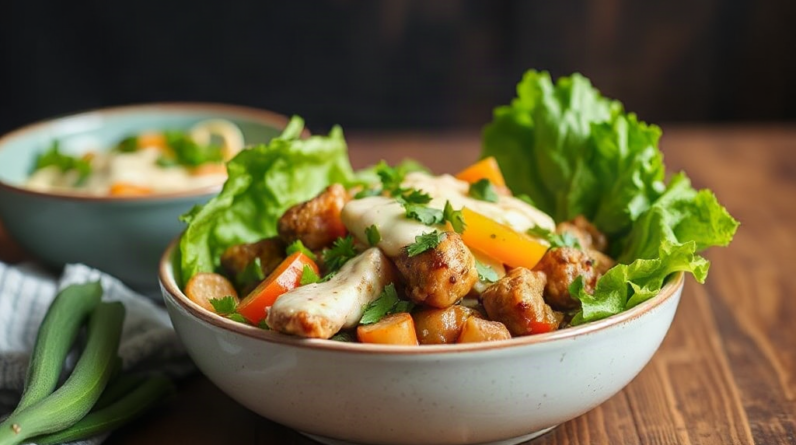
Format changes create the largest difference with limited work. Roasted vegetables can move from a side dish into an omelet, blended soup, pasta, or grain bowl. Cooked salmon can become a cold salad filling if it has been handled and stored safely. Chili can top a baked potato, while a small portion of cooked meat can stretch across tacos with beans, cabbage, and salsa. The goal is not to disguise old food; it is to combine a safely stored component with fresh ingredients that complete the meal.
Flavor changes should match the original seasoning. Plain chicken adapts to lemon-herb soup or a mildly spiced wrap, but heavily glazed barbecue chicken may not fit a delicate cream sauce. Taste a small portion before adding salt because flavors can become more concentrated during storage and reheating. Acid from citrus or vinegar, fresh herbs, crunchy vegetables, yogurt-based sauces, or toasted seeds can brighten a reheated base without requiring another full recipe.
Quantity determines the best transformation. A full container of stew can remain the main course. One cup of stew may work better over rice or under a mashed-potato topping. A handful of vegetables is enough for scrambled eggs but not a family-sized soup unless supplemented. This distinction prevents the common mistake of forcing a small leftover to carry a meal it cannot support.
Maintain a short “use first” note on the refrigerator or meal-planning app. List no more than a few items, their dates, and likely destinations. An inventory that attempts to catalogue every condiment becomes maintenance work; a focused list should guide the next two or three meals. For a practical approach to how to incorporate leftovers into your meal planning, pair each listed leftover with one fresh element and one meal format.
Measure success by consumption and ease, not by producing zero scraps at every meal. Portions sometimes remain unsuitable for reuse, and some foods lose enough quality that freezing or repurposing is not worthwhile. Adjust future batch sizes when the same ingredient is repeatedly discarded. Planned leftovers should reduce later work; if they demand elaborate rescue recipes, simplify the first meal or cook less next time.
Frequently Asked Questions
How many leftover meals should I schedule each week?
Start with one or two planned carryover meals. Add more only when your household consistently eats the reserved portions before their safe storage window closes.
Should I plan leftovers before making my grocery list?
Yes. Naming the second use first lets you buy the tortillas, greens, eggs, broth, or other fresh ingredients needed to turn the saved component into a complete meal.
Is it better to refrigerate or freeze planned leftovers?
Refrigerate portions scheduled soon and freeze suitable portions when timing is uncertain. Label both with the preparation date, and consult official storage guidance for the specific food.
What foods are easiest to reuse in another meal?
Cooked grains, beans, lentils, roasted vegetables, braised meats, baked tofu, soups, and versatile sauces usually adapt well when stored separately and handled safely.
How can I prevent leftover meals from feeling repetitive?
Change the meal format and add a fresh contrast. Turn a roasted component into tacos, a bowl, soup, eggs, or pasta, then introduce herbs, crisp vegetables, acid, or a different sauce.
Further Reading
Authoritative Sources
- Leftovers and Food Safety
fsis.usda.govUSDA guidance explains safe cooling, storage, thawing, and reheating practices for cooked leftovers
- Cold Food Storage Chart
foodsafety.govThis federal chart helps readers check recommended refrigerator and freezer storage periods for specific foods
- Preventing Wasted Food at Home
epa.govEPA recommendations connect shopping, storage, preparation, and portion planning with reducing household food waste
Conclusion
Planned leftovers work best when every reserved portion has a quantity, date, destination, and safe storage method. Build the week around one adaptable component at a time, keep finished foods and garnishes separate, and schedule delicate items before sturdier ones. Change the next meal’s format rather than expecting everyone to welcome an identical plate.
For the next weekly plan, choose one dinner that naturally produces an extra protein, grain, vegetable, or sauce. Assign its second use to a specific day, add the supporting ingredients to the shopping list, and label the portion as soon as it is stored. If it remains uneaten, diagnose the reason: excessive quantity, poor visibility, inconvenient timing, weak texture, or no appealing second use. That feedback should shape the next batch more than an ambitious goal to save every bite.
 Good Health Solution is Easier Than Most People Think! Take a Look for Yourself!