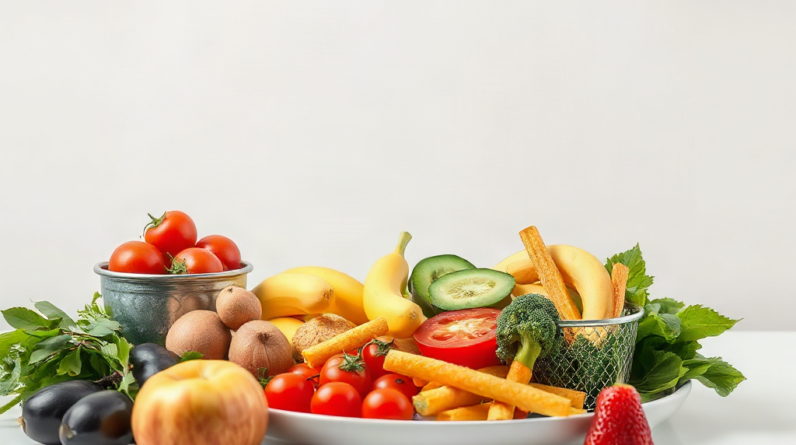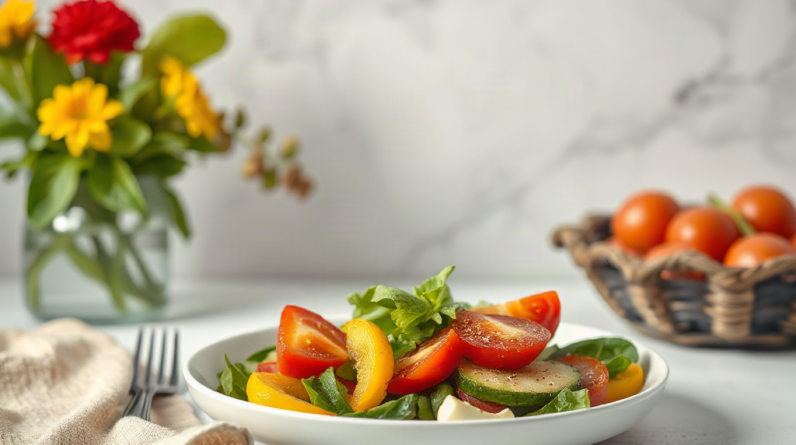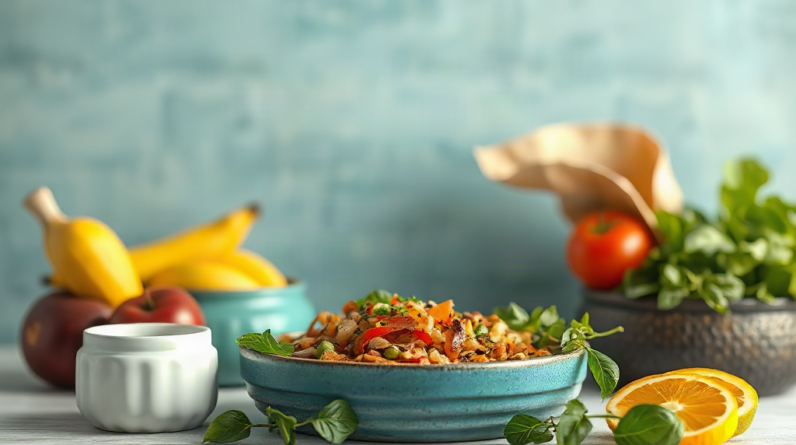
If you’re not a fan of fruits, meet your nutritional needs by eating varied vegetables, beans, whole grains, nuts, seeds, and other minimally processed foods while testing fruit in more tolerable forms. Texture, acidity, bitterness, temperature, and ripeness often matter more than fruit itself, so try roasted pears, frozen berries, blended mango, or crisp apples before ruling out the entire category. Prioritize fiber, vitamin C, potassium, and folate across your meals rather than forcing a particular serving. Juice and sweetened fruit products are less filling than whole produce, and a dietitian can help if allergies, digestive symptoms, or severe food aversion limit your choices.
Identify What You Actually Dislike About Fruit
Fruit aversion is often narrower than it first appears. A person who dislikes soft bananas may still enjoy a firm apple, while someone bothered by citrus acidity may tolerate melon or cooked pear. Before deciding that every fruit is unappealing, separate the experience into flavor, texture, aroma, temperature, ripeness, and aftereffects. That distinction makes it possible to test useful alternatives instead of repeatedly serving the same disliked item.
Texture is a frequent sticking point because fruit changes rapidly as it ripens. A peach can move from firm and mildly sweet to soft and intensely aromatic within days. Berries may feel seedy, pears can become grainy, and canned fruit may seem slippery. If texture is the problem, compare a chilled, firm version with a ripe room-temperature version. Frozen grapes, thin apple slices, strained berry puree, or lightly baked pears create very different sensory experiences without changing the basic ingredient.
Flavor deserves the same precision. Tart fruits can be paired with plain yogurt, oats, or a small amount of nut butter, which softens acidity without turning the meal into dessert. Very sweet fruit may be easier to eat alongside savory ingredients: diced apple in a cabbage slaw or mango in a bean salsa, for example. A common mistake is adding large amounts of syrup, sweetened yogurt, or chocolate and assuming any fruit content makes the result nutritionally equivalent to whole fruit.
Pay attention to physical symptoms as well as preferences. Mouth itching after raw apples or stone fruit, hives, swelling, vomiting, or breathing difficulty should not be treated as ordinary pickiness. Seek medical guidance for suspected allergy, and treat breathing trouble or significant swelling as urgent. Bloating or discomfort may have several causes and deserves individual assessment if it persists.
A simple tasting record can clarify what to do if you’re not a fan of fruits. Note the fruit, preparation, ripeness, portion, and specific reaction. Success does not mean finishing a bowl; finding one preparation that feels neutral or pleasant is enough to expand your options.
Cover Key Nutrients With Other Foods
No single fruit is nutritionally mandatory. Fruit commonly contributes fiber, vitamin C, potassium, folate, carotenoids, and other plant compounds, but those nutrients also appear in vegetables, legumes, whole grains, nuts, and seeds. The sensible goal is a varied eating pattern, not a forced daily encounter with a food that triggers disgust.
Vegetables are especially useful substitutes, although the nutrient match varies. Bell peppers, broccoli, Brussels sprouts, tomatoes, and potatoes provide vitamin C. Beans, lentils, peas, whole grains, chia seeds, and vegetables contribute fiber. Potatoes, beans, leafy greens, dairy foods, and other foods can contribute potassium, while legumes and dark leafy greens contain folate. Eating several of these across the week is more dependable than searching for one perfect replacement.
Whole-food context matters. Fiber-containing foods generally require more chewing and tend to be more filling than juice. A glass of juice may supply some vitamins, but it lacks much of the intact structure and fiber of whole produce and is easy to consume quickly. Fruit-flavored drinks, gummies, pastries, and snack bars may contain little fruit while supplying added sugars or refined starches. Read the ingredient list rather than relying on fruit pictures or flavor names.
Consider a lunch built around lentil soup, whole-grain bread, and a bell pepper salad. That meal supplies plant variety and several nutrients often associated with fruit, even though it contains none. At breakfast, oats with chia seeds and unsweetened yogurt offer more fiber and staying power than a fruit-flavored drink. These comparisons do not make fruit nutritionally useless; they show why the complete meal matters more than a category label.
Supplements are not an automatic substitute for produce. They can be appropriate when a clinician identifies a deficiency or intake problem, but they do not recreate fiber, food structure, or the range of compounds found in varied plant foods. Excessive doses of certain nutrients can also be harmful or interfere with medications.
Review your usual week rather than judging one day. If vegetables, beans, whole grains, nuts, and seeds are scarce as well as fruit, the issue is broader than fruit preference. A registered dietitian can assess whether your actual intake covers your needs, particularly during pregnancy, childhood, older age, highly restricted diets, or treatment for a medical condition.
Make Fruit More Acceptable Without Hiding It in Sugar
Preparation can change fruit enough to make a rejected option acceptable. Heat softens plant tissue, freezing reduces aroma and changes texture, and blending removes the chewing experience that some people dislike. Pairing fruit with protein or fat can moderate sharp flavors and create a more substantial snack. The best method addresses the exact objection rather than disguising fruit beneath sweeteners.
For a person who dislikes mushiness, choose firm varieties, refrigerate them, and cut them immediately before eating. Try crisp apple wedges with peanut butter or frozen grapes served in a small portion. For someone bothered by tartness, cook berries into unsweetened oatmeal or mix a spoonful into plain yogurt. If seeds are the issue, a strained raspberry sauce or seedless melon may work better. People sensitive to strong aromas may prefer chilled fruit because cold temperatures can make aromas less noticeable.
Smoothies are useful when chewing or texture is the barrier, but they require sensible proportions. A smoothie made mainly from juice, sweetened yogurt, and several servings of fruit can become a large, rapidly consumed source of sugar and energy. A more balanced version might combine unsweetened milk or fortified soy beverage, plain yogurt, a modest amount of frozen berries, and oats. Blending retains more of the whole fruit than juicing, though drinking is still quicker and may feel less filling than chewing the ingredients.
Cooking involves tradeoffs. Baking apples or pears may improve flavor and tenderness, although prolonged heat can reduce some heat-sensitive vitamin content. The result still contributes useful nutrients, especially when it is served without heavy syrup. Canned fruit is another practical option: choose fruit packed in water or its own juice when possible, and drain it if the packing liquid is overly sweet. Unsweetened frozen fruit is convenient and avoids the problem of fresh produce spoiling before it is used.
Use a low-pressure trial rather than serving a full portion. Place one or two bites beside a familiar meal, test only one variable at a time, and repeat the same preparation on another day. Familiarity may improve acceptance, but repeated exposure is not a guarantee and should not become a contest. The approach is working if disgust lessens, tolerated portions become easier, or you find a form worth keeping. It is failing if every attempt causes escalating distress, gagging, conflict, or physical symptoms.
Build a Realistic Produce Plan
A workable plan should protect nutritional variety without making every meal revolve around fruit. Start with foods you already tolerate, identify the nutrient gaps they may leave, and add one manageable experiment at a time. This is more sustainable than buying an ambitious assortment that spoils or forcing large servings that strengthen the aversion.
Good Health Solution is Easier Than Most People Think! Take a Look for Yourself!
Use the following compact priority check:
- List accepted plant foods: Include vegetables, beans, lentils, whole grains, nuts, seeds, and any tolerated fruits.
- Check variety: Look for different colors and food groups across the week rather than repeating one vegetable daily.
- Choose one low-risk trial: Change temperature, texture, ripeness, or preparation—not all four at once.
- Keep a reliable alternative: If fruit is refused, serve a familiar vegetable or other nutrient-rich food instead of skipping produce entirely.
- Reassess symptoms: Persistent pain, allergy signs, severe restriction, or unintended weight change warrants professional input.
Budget and waste affect the plan. Frozen vegetables and fruit keep longer and allow small portions to be removed as needed. Canned tomatoes, beans, pumpkin, and fruit packed without heavy syrup can provide shelf-stable options. Seasonal fresh produce may offer better flavor and price, but it is not automatically more nutritious for every household if much of it ends up discarded. Buying one test portion is wiser than purchasing a large package of an unfamiliar fruit.
For a fruit-free day, breakfast might include oatmeal with chia seeds and milk; lunch could feature chickpeas, chopped peppers, cucumber, and whole-grain pita; dinner could combine a baked potato, broccoli, and a protein source. Another person might tolerate a few berries in yogurt and use vegetables for most remaining produce. Both patterns can be reasonable because nutritional adequacy comes from the total combination of foods.
Parents and caregivers should avoid pressure, bribery, or requiring a child to clean the plate. Offer a tiny portion alongside accepted foods and allow a neutral response. Adults with intense sensory aversion, a very short list of accepted foods, fear of choking or vomiting, or nutritional compromise may need support from a dietitian and an appropriately qualified feeding or mental health professional. Severe restriction is not solved by clever recipes alone.
When deciding what to do if you’re not a fan of fruits, measure progress by dietary range, comfort, and consistency—not by whether you learn to love every fruit. A plan is succeeding when meals contain varied minimally processed plant foods, shopping matches what is actually eaten, and new trials remain tolerable rather than disruptive.
Frequently Asked Questions
Can I be healthy without eating fruit?
A balanced pattern can be built without fruit if vegetables, legumes, whole grains, nuts, seeds, and other foods supply enough fiber and micronutrients. A dietitian can check adequacy when the diet is highly restricted.
Are vegetables an equal replacement for fruit?
Vegetables can provide many of the same nutrients, but no single vegetable duplicates every fruit. Use several types and include legumes, whole grains, nuts, or seeds to broaden fiber and nutrient intake.
Is drinking juice better than eating no fruit?
Juice can provide certain vitamins, but it contains less fiber than whole fruit and is easy to drink quickly. Choose modest portions of 100% juice rather than fruit drinks, and do not treat it as the only source of plant foods.
What fruit is easiest to try for texture-sensitive eaters?
Firm, predictable options such as chilled apple slices, frozen grapes, or crisp melon may be easier than soft bananas or very ripe pears. Individual preferences differ, so test a bite-sized portion without pressure.
When should fruit aversion be discussed with a professional?
Seek guidance if restriction causes weight change, nutrient deficiency, persistent digestive symptoms, intense anxiety, gagging, or a very limited food list. Suspected allergic reactions require medical assessment.
Further Reading
Authoritative Sources
- MyPlate Fruit Group
myplate.govThe USDA explains what counts as fruit and distinguishes whole fruit from juice
- Dietary Guidelines for Americans
dietaryguidelines.govThis federal resource provides broader context for building a varied, nutrient-dense eating pattern
- Vitamin C Fact Sheet for Consumers
ods.od.nih.govThe NIH lists food sources of vitamin C, including several options beyond fruit
- Eating, Diet, and Nutrition for Constipation
niddk.nih.govNIDDK describes dietary fiber sources and the role of fluids in digestive health
Conclusion
Fruit preference is only one part of nutritional adequacy. First identify whether flavor, texture, ripeness, aroma, or physical symptoms drive the dislike. Then build meals around vegetables, beans, whole grains, nuts, seeds, and other nutrient-dense foods while checking that fiber, vitamin C, potassium, and folate are represented across the week. Small trials—such as chilled apple, cooked pear, or berries blended with plain yogurt—are more informative than forced servings.
Choose preparations you can sustain, limit reliance on juice and heavily sweetened fruit products, and buy quantities that will actually be eaten. If the aversion comes with allergy signs, digestive distress, weight change, nutritional deficiency, or severe restriction, move beyond self-experimentation and seek qualified care. The immediate next step is to list your accepted plant foods and select one realistic gap to address.
 Good Health Solution is Easier Than Most People Think! Take a Look for Yourself!