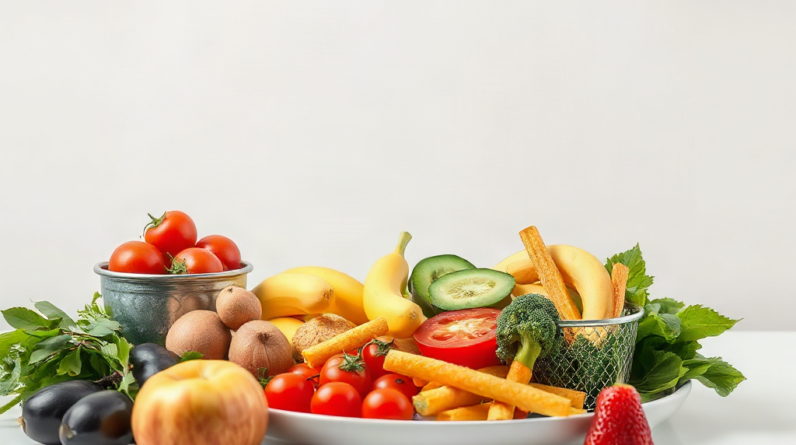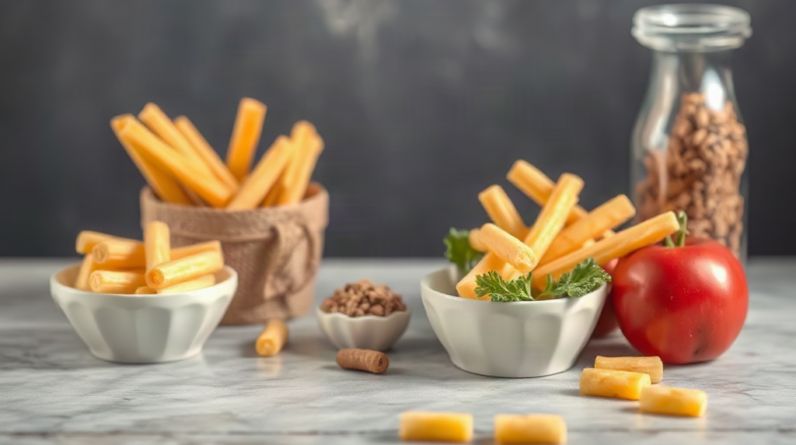

One of the most impactful choices for supporting detoxification is adopting a diet rich in whole foods. Leafy greens, such as kale and spinach, are packed with chlorophyll, which aids in eliminating toxins. Cruciferous vegetables like broccoli and Brussels sprouts contain compounds that enhance liver function, a key player in detoxification. Additionally, staying hydrated and incorporating antioxidant-rich fruits can further bolster your detox efforts. Mistakes often arise when individuals rely solely on fad detox diets or supplements, which can overlook the importance of a balanced diet.
Moreover, daily practices greatly influence the effectiveness of your detox strategy. Regular physical activity supports circulation and lymphatic drainage, aiding in toxin removal. Mindfulness techniques such as yoga and meditation can also reduce stress, which is crucial since stress can hinder the body’s detoxification processes. Prioritizing these habits over quick fixes will yield more sustainable and beneficial results.
Nutrient-Dense Foods for Detoxification
Incorporating nutrient-dense foods into your diet is a cornerstone of supporting detoxification. Foods such as beets, garlic, and citrus fruits are known for their detoxifying properties. Beets contain betalains, which are antioxidants that support liver function, while garlic contains sulfur compounds that assist in detoxification processes.
It’s important to prioritize variety in your diet to ensure a broad spectrum of nutrients. A common mistake is focusing on only one or two detox foods while neglecting others. Balancing your intake will not only support detoxification but also enhance overall health. Aim to include a rainbow of fruits and vegetables in your meals to maximize nutrient absorption.
Hydration and Its Role in Detox
Hydration plays a pivotal role in detoxification. Water is essential for the kidneys to filter waste and for the liver to process toxins efficiently. It’s recommended to drink at least 8-10 glasses of water daily, but individual needs may vary based on activity level and climate.
Many people underestimate the impact of hydration on detoxification and may not drink enough water. Additionally, incorporating herbal teas and broths can enhance hydration and provide additional nutrients. Prioritize hydration first thing in the morning and throughout the day to support your body’s natural detox processes.
Daily Practices to Enhance Detox
Regular physical activity is crucial for enhancing detoxification. Engaging in exercises like brisk walking, cycling, or yoga can stimulate circulation and promote lymphatic drainage, which aids in toxin removal. Aim for at least 150 minutes of moderate exercise weekly.
Incorporating mindfulness practices, such as deep breathing or meditation, can also support detoxification. Stress can lead to increased toxin accumulation, so managing stress through relaxation techniques is vital. Many overlook the importance of mental health in the detox process, making it essential to create a balanced routine that includes both physical and mental wellness.
Common Mistakes to Avoid
When embarking on a detox journey, it’s easy to fall into common traps. One major mistake is relying solely on detox supplements or juices, which can lead to nutritional deficiencies. Whole foods provide essential nutrients that supplements often lack.
Good Health Solution is Easier Than Most People Think!
Take a Look for Yourself!
Another pitfall is eliminating entire food groups without proper guidance. This can result in an unbalanced diet that hinders detoxification efforts. Instead, focus on adding beneficial foods and practices gradually. Remember, successful detoxification is a holistic process that involves both diet and lifestyle changes.
Further Reading
Authoritative Sources
- Nutritional Approaches to Detoxification
ncbi.nlm.nih.govThis resource provides insights into how nutrition plays a role in supporting the body's detoxification processes
- The Truth About Detox Diets
healthline.comA comprehensive overview of detox diets and their effectiveness, helping readers make informed choices
- Detox Foods: What to Eat
webmd.comWebMD outlines foods that can support detoxification and overall health
Frequently Asked Questions
What are the best foods for detoxification?
The best foods include leafy greens, cruciferous vegetables, beets, garlic, and antioxidant-rich fruits like berries.
How much water should I drink to support detox?
It is recommended to drink at least 8-10 glasses of water a day, adjusting for individual needs based on activity and climate.
Can exercise help with detoxification?
Yes, regular exercise stimulates circulation and lymphatic drainage, aiding in the removal of toxins from the body.
Are detox supplements effective?
Relying solely on detox supplements can lead to nutritional deficiencies; whole foods are more effective for detoxification.
What common mistakes should I avoid during detox?
Avoid eliminating entire food groups and relying only on juices or supplements. Focus on a balanced diet with a variety of foods.
Conclusion
Supporting your body’s detoxification processes is essential for maintaining health. Prioritize a diet rich in nutrient-dense foods, stay hydrated, and engage in regular physical activity. Additionally, be mindful of stress management through practices like meditation. Avoid common pitfalls such as relying solely on supplements or restrictive diets. By following these strategies, you can effectively enhance your body’s natural detoxification abilities and promote long-term health.
Good Health Solution is Easier Than Most People Think!
Take a Look for Yourself!