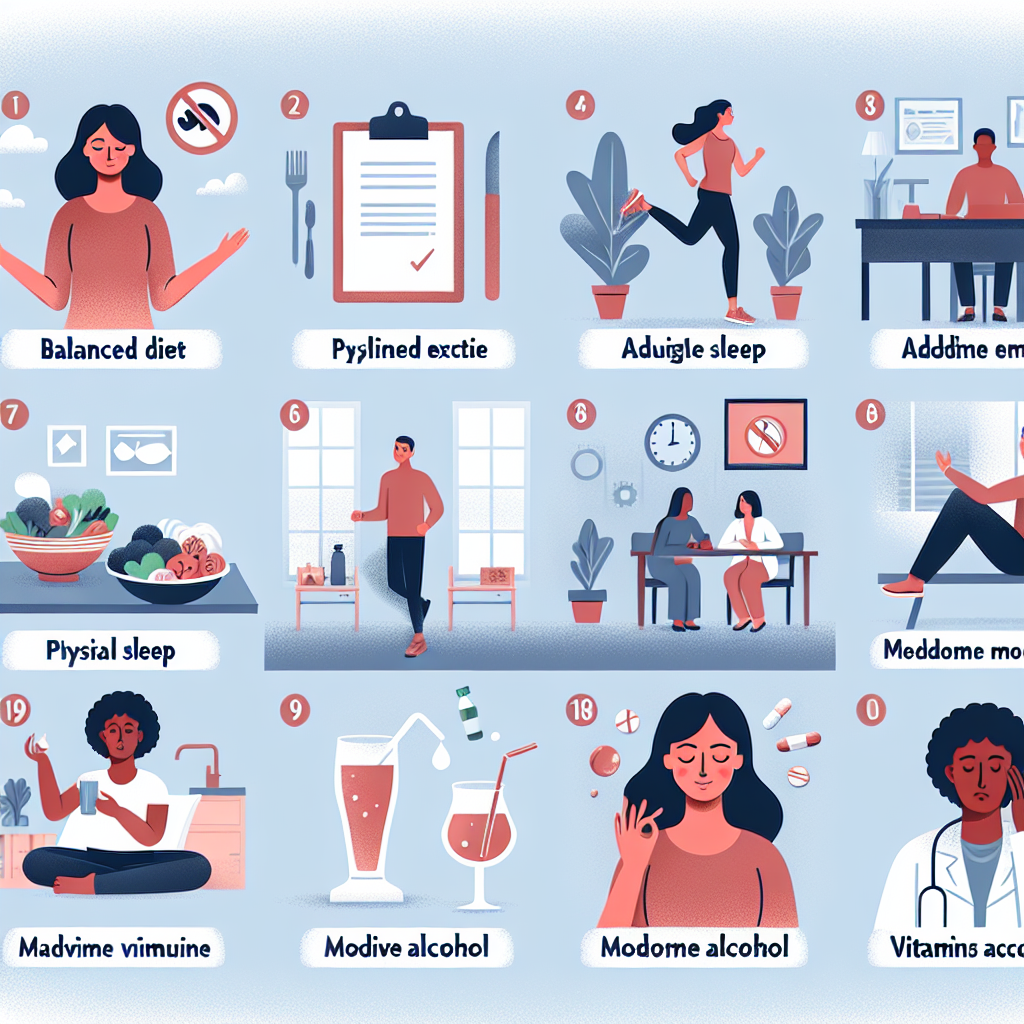
Understanding the balance of these components is crucial. For instance, consuming a variety of nutrient-dense foods provides the vitamins and minerals your body needs to function optimally. Regular exercise not only helps manage weight but also boosts mood and energy levels. Additionally, sleep is essential for recovery and cognitive function, while stress management techniques can prevent burnout and anxiety.
A common mistake many people make is neglecting one or more of these aspects. For example, focusing solely on diet while ignoring physical activity can lead to imbalances. It’s vital to create a holistic plan that integrates all these elements to achieve sustainable health.
Nutrition: The Foundation of Daily Health
A well-rounded diet is the cornerstone of staying healthy daily. Focus on consuming whole foods such as fruits, vegetables, whole grains, lean proteins, and healthy fats. These foods provide essential nutrients that support bodily functions and promote overall health.
Prioritizing a variety of foods helps ensure that you receive the necessary vitamins and minerals. For instance, leafy greens are rich in iron and calcium, while nuts provide healthy fats and protein. Meal planning can aid in maintaining a balanced diet, allowing you to avoid processed foods that often contain excessive sugars and unhealthy fats.
However, many people overlook the importance of hydration. Drinking sufficient water throughout the day is crucial for digestion, metabolism, and energy levels. Aim for at least eight glasses of water daily, adjusting for activity level and climate. Remember, what you eat and how much you hydrate can dramatically impact your health.
Exercise: Moving Towards Wellness
Regular physical activity is vital for maintaining a healthy lifestyle. Aim for at least 150 minutes of moderate-intensity exercise each week, which can include activities like brisk walking, cycling, or swimming. Incorporating strength training exercises at least twice a week is also beneficial for muscle health and metabolism.
Finding an exercise routine that you enjoy will help you stay consistent. Whether it’s dancing, hiking, or yoga, engaging in activities that you love will make it easier to incorporate exercise into your daily life. Additionally, consider incorporating short bursts of activity throughout your day, such as taking the stairs instead of the elevator or going for a walk during your lunch break.
Many people underestimate the mental health benefits of exercise. Physical activity releases endorphins, which can improve mood and reduce feelings of stress and anxiety. Prioritizing regular movement is not just about physical health; it’s also about supporting mental well-being.
Sleep: The Unsung Hero of Health
Quality sleep is often overlooked but is essential for overall health. Adults should aim for 7-9 hours of sleep per night to allow the body to recover, repair, and rejuvenate. Sleep plays a critical role in cognitive function, emotional regulation, and physical health.
Establishing a consistent sleep schedule can improve sleep quality. Aim to go to bed and wake up at the same time every day, even on weekends. Creating a relaxing bedtime routine, such as reading or meditating, can signal your body that it’s time to wind down. Avoid screens and stimulating activities before bed to enhance sleep quality.
Many people experience poor sleep due to stress or anxiety. Addressing these underlying issues through mindfulness practices, such as meditation or deep breathing exercises, can significantly improve sleep quality. Prioritize sleep as a non-negotiable aspect of your health routine.
Stress Management: Keeping Your Mind Clear
Effectively managing stress is crucial for maintaining health. Chronic stress can lead to various health issues, including heart disease, obesity, and mental health disorders. Incorporating stress-reducing activities into your daily routine can foster a balanced lifestyle.
Good Health Solution is Easier Than Most People Think!
Take a Look for Yourself!
Techniques such as mindfulness meditation, yoga, or deep breathing can help you manage stress effectively. Even short breaks throughout the day to practice these techniques can make a significant difference in your overall well-being. Additionally, spending time in nature or engaging in hobbies can provide a mental reset.
Recognize the signs of stress early on. Many people tend to ignore stress until it manifests physically. By being proactive and implementing stress management strategies, you can prevent negative health outcomes and maintain a clearer, more focused mind.
Further Reading
Authoritative Sources
- Healthy Diet
who.intThis resource provides guidelines on maintaining a healthy diet, focusing on the importance of nutrition for overall health
- Physical Activity Basics
cdc.govThe CDC outlines the benefits of physical activity and recommendations for adults to maintain a healthy lifestyle
- Sleep Foundation
sleepfoundation.orgThis organization provides valuable information on the importance of sleep and tips for improving sleep quality
- Stress Management
apa.orgThe APA offers insights into understanding stress and effective management techniques
Frequently Asked Questions
What are the best foods to eat daily for health?
Focus on whole foods such as fruits, vegetables, whole grains, lean proteins, and healthy fats. These foods provide essential nutrients for optimal health.
How much exercise do I need each week?
Aim for at least 150 minutes of moderate-intensity exercise each week, along with strength training at least twice a week.
Why is sleep important for health?
Quality sleep is crucial for recovery, cognitive function, and emotional regulation. Aim for 7-9 hours of sleep per night.
What techniques can help manage stress?
Mindfulness meditation, yoga, deep breathing exercises, and spending time in nature are effective techniques for managing stress.
How can I stay motivated to maintain a healthy lifestyle?
Find activities you enjoy, set realistic goals, and track your progress. Surround yourself with supportive individuals to stay motivated.
Conclusion
To stay healthy daily, focus on a balanced diet, regular exercise, quality sleep, and effective stress management. Prioritize whole foods and hydration, engage in activities you enjoy, and establish a consistent sleep routine. Addressing stress proactively can enhance your overall well-being. By integrating these practices into your daily life, you can achieve a sustainable and fulfilling healthy lifestyle.

Good Health Solution is Easier Than Most People Think!
Take a Look for Yourself!