


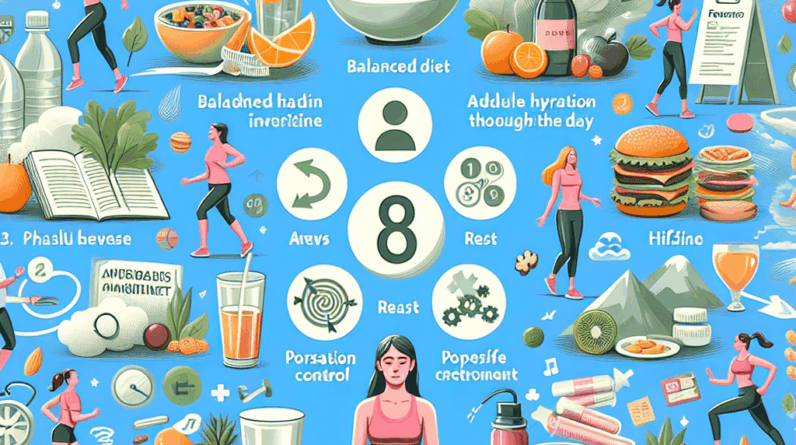
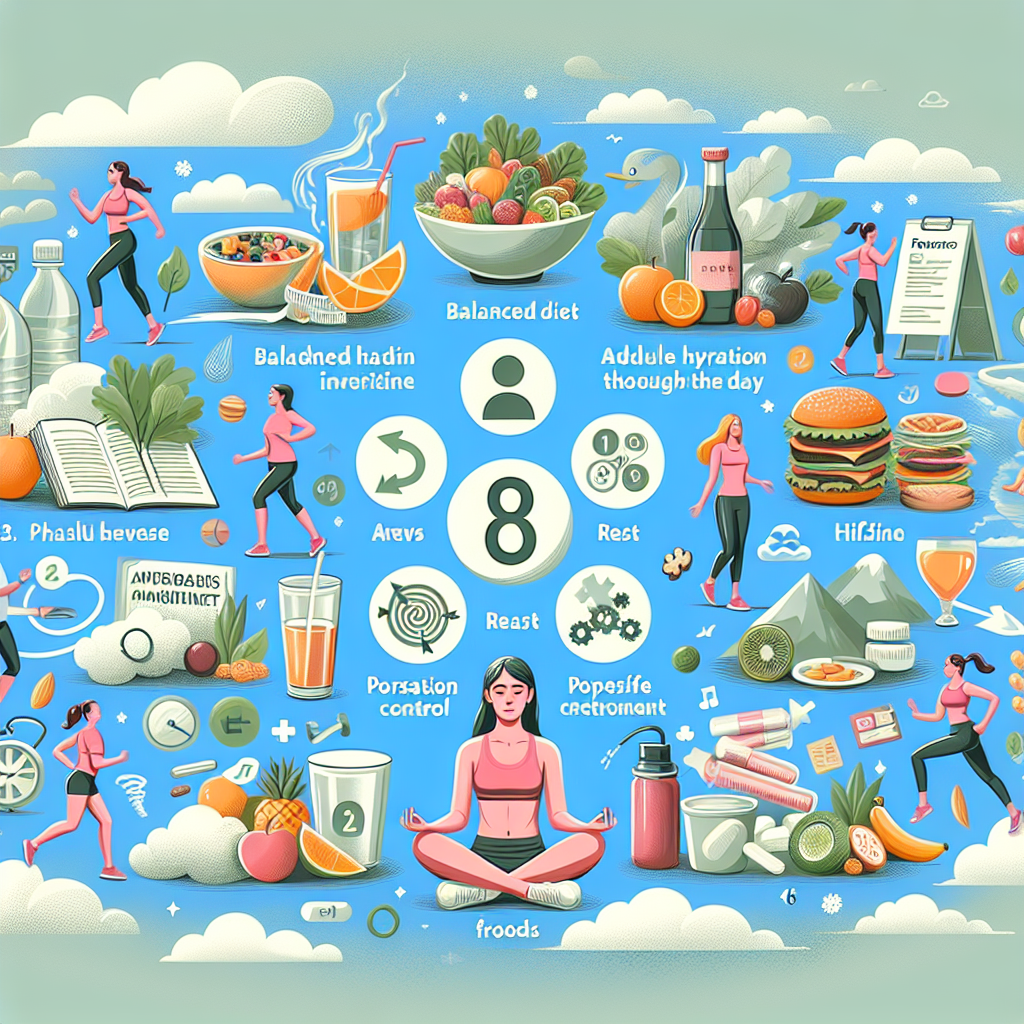
One key to achieving a healthier lifestyle is understanding the balance between diet and exercise. Many people mistakenly believe that restrictive diets alone will suffice for weight loss or improved health. However, a holistic approach that includes both nutrition and physical activity is essential. For instance, combining a diet rich in fruits, vegetables, lean proteins, and whole grains with regular aerobic and strength-training exercises can yield the best results.
Another common mistake is neglecting mental health and emotional well-being. Stress management techniques, such as mindfulness meditation or yoga, can reduce anxiety and promote a healthier mindset. Prioritizing sleep is equally important; insufficient rest can lead to various health issues, including obesity and cardiovascular disease. Therefore, establishing a consistent sleep schedule and creating a restful environment should be part of your daily health regimen.
Nutrition: Building a Healthier Plate
Nutrition is the cornerstone of a healthier lifestyle. A balanced diet should consist of whole foods that provide essential nutrients. Focus on incorporating a variety of fruits and vegetables, lean proteins, and whole grains into your meals. This not only supports physical health but also enhances mood and energy levels.
Many people fall into the trap of processed foods, thinking they are convenient. However, these options often contain excess sugars and unhealthy fats that can lead to weight gain and chronic diseases. Preparing meals at home allows for better control over ingredients, making it easier to avoid detrimental additives. Begin by planning meals for the week, which can help streamline grocery shopping and reduce food waste.
Additionally, consider portion sizes and mindful eating practices. Eating slowly and savoring your meals can lead to better digestion and satisfaction. When you are aware of what you are consuming, you can make healthier choices that align with your wellness goals.
Exercise: Finding Your Fit
Regular physical activity is crucial for maintaining a healthy lifestyle. It not only helps with weight management but also improves cardiovascular health and boosts mood. Finding an exercise routine that you enjoy is essential for sustainability. Whether it’s cycling, swimming, or group fitness classes, engaging in activities that you look forward to can keep you motivated.
Many people underestimate the importance of strength training. Incorporating resistance exercises at least twice a week can improve muscle mass and metabolism. This doesn’t always mean hitting the gym; bodyweight exercises, resistance bands, or even household items can be used effectively at home.
Furthermore, consistency is more important than intensity. Aim for at least 150 minutes of moderate aerobic activity each week, combined with strength training. Breaking this down into manageable sessions can make it less daunting and easier to integrate into your daily routine.
Mental Wellness: Stress Management Techniques
Mental health is an integral part of overall well-being. Chronic stress can lead to various health issues, so incorporating stress management techniques is vital. Mindfulness practices, such as meditation or deep-breathing exercises, can help reduce anxiety and promote a sense of calm.
Engaging in hobbies or activities that you love can also serve as a stress reliever. Whether it’s painting, gardening, or playing music, dedicating time to these pursuits can provide an emotional outlet and contribute to a healthier mindset. Additionally, social connections are crucial; spending time with friends and family can offer support and improve mood.
Lastly, be mindful of digital consumption. Limiting screen time, especially on social media, can reduce feelings of inadequacy and anxiety. Instead, focus on positive interactions and experiences that uplift your spirit.
Sleep: Prioritizing Rest for Better Health
Quality sleep is often overlooked but is essential for overall health. It plays a critical role in physical recovery, cognitive function, and emotional regulation. Aim for 7 to 9 hours of quality sleep each night. Establishing a consistent sleep routine can significantly enhance sleep quality.
Good Health Solution is Easier Than Most People Think!
Take a Look for Yourself!
Creating a restful environment is key. Ensure your bedroom is dark, quiet, and cool. Consider using blackout curtains and white noise machines if necessary. Additionally, limit screen time before bed, as blue light can disrupt sleep patterns. Instead, engage in relaxing activities like reading or gentle stretching.
Be aware of your consumption of caffeine and alcohol, as both can interfere with your ability to fall and stay asleep. Prioritize hydration throughout the day, but try to limit fluid intake close to bedtime to avoid nighttime awakenings.
Further Reading
Authoritative Sources
- Healthy Diet
who.intThis source provides comprehensive guidelines on maintaining a healthy diet and its impact on overall health
- Physical Activity Basics
cdc.govOffers insights into the benefits of physical activity and recommendations for different age groups
- Mindfulness-Based Stress Reduction
ncbi.nlm.nih.govExplores the effectiveness of mindfulness techniques in managing stress and improving mental health
- Healthy Sleep Tips
sleepfoundation.orgProvides practical tips for improving sleep hygiene and achieving better rest
Frequently Asked Questions
What are some quick tips for living healthier every day?
Incorporate more whole foods into your diet, stay hydrated, exercise regularly, and practice stress management techniques like mindfulness.
How can I improve my diet effectively?
Focus on whole foods, plan your meals, and practice mindful eating. Avoid heavily processed items and prioritize fruits, vegetables, and lean proteins.
What type of exercise is best for overall health?
A mix of aerobic exercises and strength training is ideal. Choose activities you enjoy to maintain consistency and motivation.
How important is sleep for health?
Quality sleep is crucial for physical recovery, cognitive function, and emotional well-being. Aim for 7 to 9 hours of sleep each night.
What are effective stress management techniques?
Mindfulness, meditation, and engaging in hobbies can help manage stress. Prioritize social connections and limit screen time for better mental health.
Conclusion
In summary, living healthier every day requires a balanced approach that includes nutrition, exercise, mental wellness, and sufficient sleep. By making consistent, mindful choices, you can significantly enhance your quality of life. Start with small, manageable changes, and gradually build on them to create lasting habits. Prioritize what matters most for your health, and remember that every small step counts toward achieving your wellness goals.

Good Health Solution is Easier Than Most People Think!
Take a Look for Yourself!





