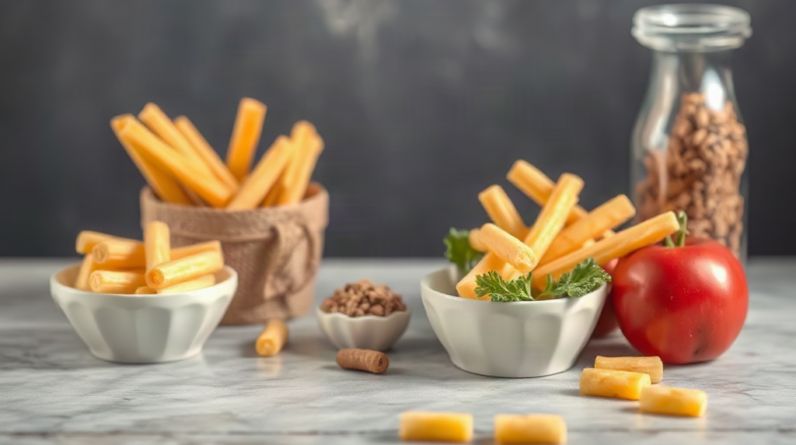

Understanding the root causes of inflammation is crucial for effective management. Factors such as poor diet, lack of exercise, and chronic stress can exacerbate inflammation. By prioritizing nutrient-dense foods and adopting healthy habits, individuals can create a robust defense against inflammation. It’s important to recognize that while certain foods and practices can help, consistency and a holistic approach are vital for long-term results.
Many people overlook the significance of everyday choices in their fight against inflammation. For instance, relying solely on supplements without addressing dietary habits can lead to missed opportunities for improvement. Instead, focus on integrating whole foods and sustainable lifestyle changes to achieve optimal health outcomes.
Understanding Inflammation and Its Causes
Inflammation is the body’s natural response to injury or infection, but chronic inflammation can lead to serious health issues. It can be triggered by various factors including poor diet, lack of exercise, and environmental toxins. Identifying these triggers is essential for devising an effective strategy to fight inflammation.
Chronic inflammation often stems from a diet high in processed foods and sugars, which can lead to an imbalance in the body’s natural inflammatory response. Prioritizing a diet rich in whole foods can help restore this balance. Understanding the specific causes of inflammation allows individuals to tailor their approach to managing it effectively.
Moreover, recognizing individual triggers, such as food intolerances or lifestyle stressors, can enhance the effectiveness of dietary changes. This awareness can empower individuals to make informed choices that align with their health goals.
Key Foods to Combat Inflammation
Certain foods are particularly effective in reducing inflammation. Incorporate fatty fish, such as salmon and mackerel, which are high in omega-3 fatty acids known for their anti-inflammatory properties. Additionally, leafy greens, berries, nuts, and olive oil play significant roles in combating inflammation.
These foods not only help to lower inflammation markers in the body but also provide essential nutrients that support overall health. A balanced diet rich in these components is crucial for maintaining a healthy inflammatory response.
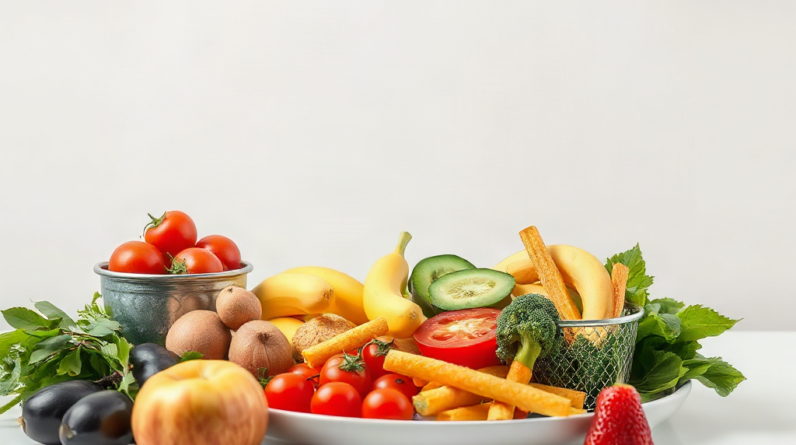
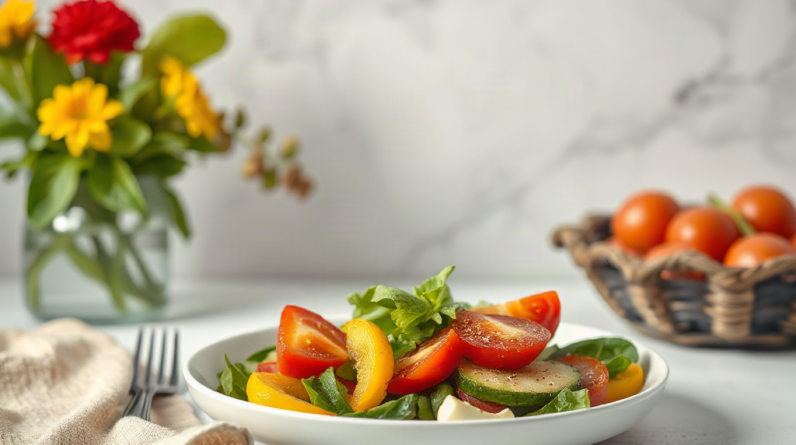
In practice, meal planning that emphasizes these anti-inflammatory foods can lead to better health outcomes. For instance, preparing meals that include a variety of colorful fruits and vegetables can enhance nutrient intake and promote a balanced diet.
Lifestyle Changes for Reducing Inflammation
In addition to dietary changes, adopting a healthier lifestyle is essential for reducing inflammation. Regular physical activity, such as walking, swimming, or yoga, can significantly reduce inflammation levels. Exercise helps to lower stress hormones and promotes the release of anti-inflammatory cytokines.
Moreover, effective stress management techniques, such as mindfulness and meditation, can also play a critical role in reducing inflammation. Chronic stress is a known contributor to inflammation, and finding ways to manage it can enhance the body’s natural healing processes.
Good Health Solution is Easier Than Most People Think!
Take a Look for Yourself!
It’s important to establish a routine that incorporates both physical activity and stress-reduction techniques. This holistic approach can lead to more sustainable improvements in inflammation and overall health.
Common Mistakes to Avoid
When attempting to fight inflammation naturally, individuals often make common mistakes that can undermine their efforts. One major pitfall is relying heavily on processed anti-inflammatory supplements while neglecting dietary changes. Supplements should complement, not replace, a balanced diet.
Another mistake is failing to recognize the impact of lifestyle factors such as sleep and stress on inflammation levels. Prioritizing adequate sleep and effective stress management are crucial for achieving desired health outcomes.
To maximize the benefits of natural anti-inflammatory strategies, focus on creating a comprehensive plan that includes dietary, exercise, and lifestyle changes. This approach will help avoid the pitfalls that many encounter on their journey to better health.
Further Reading
For those looking to deepen their understanding of inflammation and dietary strategies, consider exploring resources from reputable health organizations and nutrition experts. These can provide valuable insights and further practical advice on managing inflammation through natural means.
Further Reading
Authoritative Sources
- MedlinePlus
medlineplus.govConsumer-friendly medical and health information from the U.S. National Library of Medicine.
- National Institutes of Health
nih.govResearch-based health information and links to authoritative medical resources.
- Centers for Disease Control and Prevention
cdc.govOfficial public health guidance, prevention resources, and topic-specific recommendations.
- Mayo Clinic
mayoclinic.orgTrusted clinical guidance, symptom explainers, and treatment overviews.
- World Health Organization
who.intGlobal health guidance, fact sheets, and evidence-based public health information.
Frequently Asked Questions
What are the best foods to eat to fight inflammation?
Foods rich in omega-3 fatty acids, such as fatty fish, along with fruits, vegetables, nuts, and whole grains, are among the best choices to combat inflammation.
Can exercise really help reduce inflammation?
Yes, regular physical activity can lower inflammation levels by reducing stress hormones and promoting the release of anti-inflammatory substances.
How long does it take to see results from dietary changes?
While some individuals may notice improvements within a few weeks, it generally takes about 6-12 weeks of consistent dietary changes to see significant reductions in inflammation.
Are there any specific supplements that help with inflammation?
While some supplements may help, such as omega-3 or curcumin, they should not replace a healthy diet and should be discussed with a healthcare provider.
What lifestyle changes can I make to further reduce inflammation?
Incorporating stress management techniques, ensuring adequate sleep, and avoiding smoking and excessive alcohol can all contribute to lower inflammation levels.
Conclusion
In summary, fighting inflammation naturally requires a multifaceted approach that includes dietary changes, regular physical activity, and effective stress management. By prioritizing anti-inflammatory foods and adopting healthier lifestyle habits, individuals can significantly reduce inflammation levels and improve their overall health. It’s essential to remain consistent and mindful of the choices made daily, as these cumulative efforts will yield the best results over time.

Good Health Solution is Easier Than Most People Think!
Take a Look for Yourself!