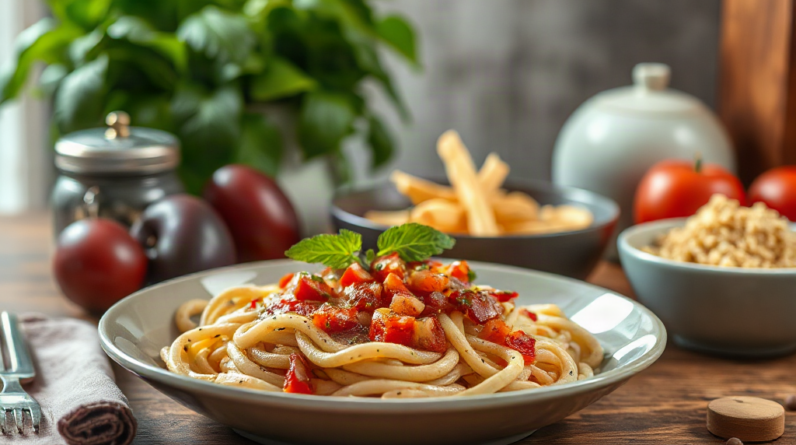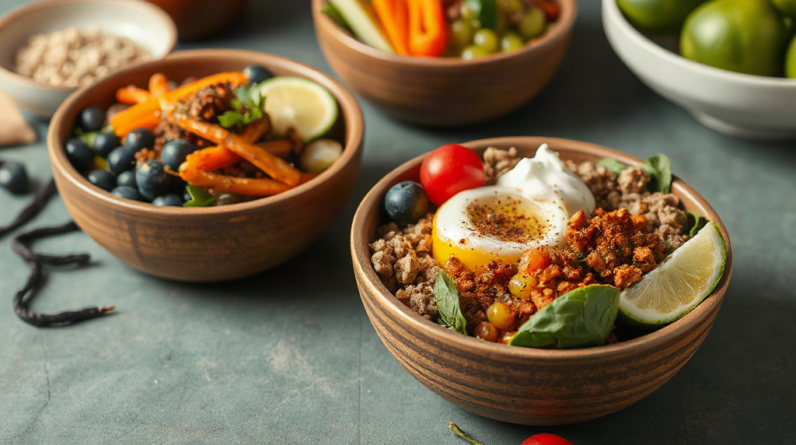
Eating healthy daily involves more than just choosing salads or avoiding junk food; it’s about creating a balanced approach to nutrition that fits your individual needs and lifestyle. This means understanding what constitutes a nutritious diet, making informed food choices, and integrating them seamlessly into your daily routine. The key is to focus on whole foods, proper portion sizes, and a variety of nutrients that fuel your body effectively.
Many people struggle with maintaining a healthy diet due to common pitfalls like restrictive eating, lack of meal planning, and falling for fad diets that promise quick results. These approaches often lead to frustration and eventual relapse into unhealthy eating patterns. To avoid these traps, it’s important to prioritize a balanced diet that allows for flexibility, enjoyment, and sustainability.
Understanding Nutritional Balance
The foundation of healthy eating lies in understanding nutritional balance. This means ensuring that every meal contains a mix of macronutrients: carbohydrates, proteins, and fats, along with essential vitamins and minerals. Each of these components plays a critical role in bodily functions and overall health.
Many people mistakenly focus solely on calories or specific food groups, neglecting the need for a comprehensive approach. For instance, a meal high in carbohydrates but low in protein may lead to energy crashes. Prioritizing a balanced plate not only improves energy levels but also enhances satiety, making it easier to resist unhealthy snacks.
Meal Planning for Success
Meal planning is an essential strategy for those looking to eat healthy daily. By preparing meals in advance, you can ensure that you have nutritious options readily available, reducing the temptation to opt for convenience foods. A well-structured meal plan can help you manage portion sizes and control ingredients.
Consider setting aside time each week to plan your meals. Focus on incorporating a variety of foods to keep meals interesting. Also, prepare a shopping list based on your meal plan to avoid impulse buys at the grocery store. This can lead to significant savings and minimize food waste.
Making Healthy Choices on a Budget
Eating healthy doesn’t have to break the bank. Many believe that nutritious foods are more expensive, but with smart shopping strategies, you can maintain a healthy diet on a budget. Focus on seasonal produce, buy in bulk, and consider frozen fruits and vegetables as cost-effective alternatives.
It’s also beneficial to plan meals around sales and discounts. Prioritize whole grains, legumes, and other staple foods that are both affordable and nutritious. By making informed choices, you can enjoy a diverse and wholesome diet without overspending.
Good Health Solution is Easier Than Most People Think!
Take a Look for Yourself!
Common Mistakes to Avoid
When striving to eat healthily, there are several common mistakes that can derail your progress. One major issue is the assumption that all fats are bad; healthy fats, such as those from avocados and nuts, are essential for your body. Additionally, many people overlook the importance of hydration, often mistaking thirst for hunger.
Another frequent pitfall is skipping meals, which can lead to overeating later. Instead, aim for regular, balanced meals that keep your energy levels stable. Understanding these mistakes can help you create a more effective and enjoyable approach to healthy eating.
Further Reading
For those looking to deepen their understanding of nutrition and healthy eating, consider exploring resources from reputable organizations like the USDA’s MyPlate which provides practical guidance on creating balanced meals.
Further Reading
Authoritative Sources
- MedlinePlus
medlineplus.govConsumer-friendly medical and health information from the U.S. National Library of Medicine.
- National Institutes of Health
nih.govResearch-based health information and links to authoritative medical resources.
- Centers for Disease Control and Prevention
cdc.govOfficial public health guidance, prevention resources, and topic-specific recommendations.
- Mayo Clinic
mayoclinic.orgTrusted clinical guidance, symptom explainers, and treatment overviews.
- World Health Organization
who.intGlobal health guidance, fact sheets, and evidence-based public health information.
Frequently Asked Questions
What are the key components of a healthy diet?
A healthy diet includes a balance of macronutrients: carbohydrates, proteins, and fats, as well as a variety of vitamins and minerals from whole foods.
How can I stay motivated to eat healthy?
Staying motivated can be achieved by setting realistic goals, tracking your progress, and allowing occasional treats to avoid feelings of deprivation.
Is it necessary to count calories?
Counting calories is not necessary for everyone; focusing on the quality of food and portion sizes can be more beneficial for long-term health.
How can I make healthy meals quickly?
Batch cooking and preparing ingredients in advance can help you create healthy meals quickly during busy weeknights.
What should I do if I have cravings for unhealthy foods?
Instead of denying cravings, try to satisfy them with healthier alternatives or smaller portions of the desired treat to maintain balance.
Conclusion
Incorporating healthy eating into your daily routine is about making informed choices that align with your lifestyle. Prioritize a balanced diet, engage in meal planning, and avoid common mistakes to set yourself up for success. Remember that sustainable changes take time, so be patient with yourself and focus on progress rather than perfection.

Good Health Solution is Easier Than Most People Think!
Take a Look for Yourself!