
When considering detoxification, it’s crucial to understand that the body has its own mechanisms for clearing out toxins. The liver, kidneys, and digestive system all play vital roles in this process. Adopting a clean diet rich in fruits, vegetables, and fiber not only aids in detoxification but also provides essential nutrients that may be lacking in a typical diet. Moreover, lifestyle factors such as sleep quality and stress management are equally important, as they significantly impact how well your body functions.
Common mistakes people make during detox are over-restricting their diets or relying heavily on fad detox diets that promise quick results. It’s essential to prioritize sustainable changes rather than temporary fixes. Focus on gradual adjustments that fit into your daily routine, making detoxification a lifestyle choice rather than a short-term challenge. This approach not only enhances your health but also fosters a more balanced relationship with food.
The Role of Nutrition in Detoxification
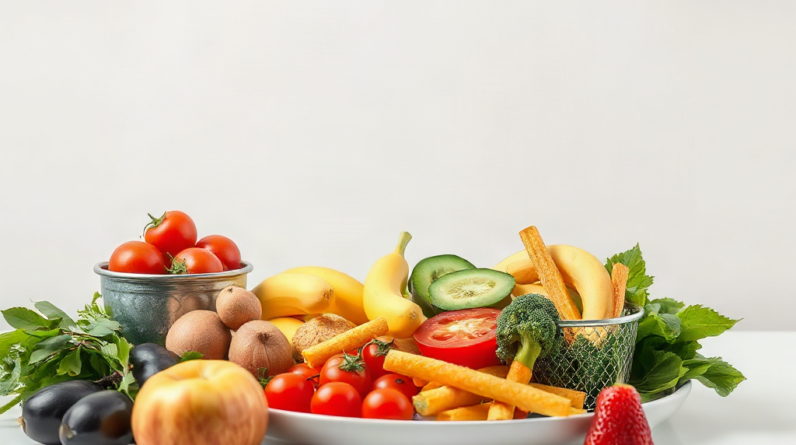
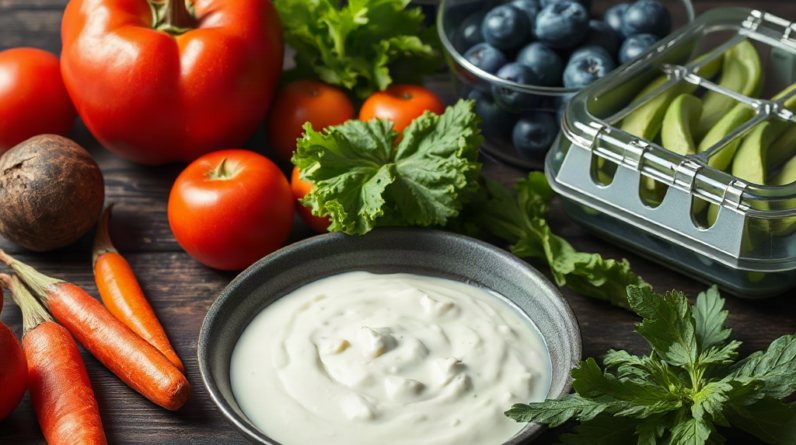
Nutrition plays a foundational role in supporting the body’s detoxification processes. Consuming a variety of colorful fruits and vegetables ensures a rich intake of antioxidants, vitamins, and minerals that can enhance liver function and promote toxin elimination. Foods such as leafy greens, cruciferous vegetables, berries, and citrus fruits are particularly beneficial for detox.
To optimize detoxification through diet, aim to include high-fiber foods that support digestion and help eliminate waste. Whole grains, legumes, and nuts not only provide fiber but also essential nutrients that contribute to overall health. Avoid processed foods and refined sugars, as these can burden your detox systems and hinder your body’s natural processes.
Prioritize organic produce when possible to minimize exposure to pesticides and chemicals. Additionally, consider incorporating herbal teas such as dandelion root or milk thistle, which may support liver health. Remember, the goal is to create a balanced diet that sustains your body’s needs while promoting detoxification.
Hydration: A Key Element
Hydration is crucial for effective detoxification. Water is essential for kidney function, which filters waste from the blood. Adequate fluid intake helps to flush out toxins and supports cellular processes. Aim to drink at least eight 8-ounce glasses of water daily, adjusting based on your activity level and climate.
In addition to plain water, consider hydrating foods like cucumbers, watermelon, and oranges. Herbal teas and broths can also contribute to your fluid intake while providing additional health benefits. Pay attention to your body’s signals; thirst is a clear indicator that you need more fluids.
Common pitfalls include relying on sugary drinks or excessive caffeine, which can dehydrate you. Instead, focus on pure water and nutrient-rich beverages. Keeping a water bottle handy can remind you to stay hydrated throughout the day, making it easier to meet your hydration goals.
Physical Activity and Detox
Regular physical activity supports detoxification by enhancing circulation and promoting lymphatic flow, which helps eliminate toxins from the body. Exercise also stimulates sweat production, a natural way for the body to expel waste. Aim for at least 150 minutes of moderate aerobic activity per week, combined with strength training exercises.
Incorporating activities you enjoy, such as walking, jogging, yoga, or dancing, can make it easier to stay consistent. The key is to find a routine that fits your lifestyle and keeps you motivated. Additionally, consider activities that promote relaxation, such as yoga or tai chi, which can further support detoxification by reducing stress.
Be mindful of how your body feels during and after exercise. Overexertion can lead to fatigue and stress, counteracting the benefits of detoxification. Listen to your body and allow for rest and recovery as needed, ensuring a balanced approach to your fitness routine.
Good Health Solution is Easier Than Most People Think!
Take a Look for Yourself!
Mindfulness and Stress Management
Mindfulness practices and stress management are often overlooked aspects of detoxification. Chronic stress can negatively impact your body’s ability to detoxify effectively, leading to inflammation and hormonal imbalances. Incorporating mindfulness techniques such as meditation, deep breathing exercises, or journaling can help mitigate stress and promote mental clarity.
Setting aside time for relaxation and self-care is essential. This can include activities like spending time in nature, engaging in hobbies, or practicing gratitude. A calm mind supports a healthy body, making it easier for your systems to function optimally.
Many people underestimate the importance of mental health in the detox process. Prioritize mental well-being by integrating mindfulness into your daily routine. Even short sessions of mindfulness can make a significant difference in how you handle stress and its impact on your physical health.
Further Reading
Authoritative Sources
- National Center for Biotechnology Information
ncbi.nlm.nih.govA valuable resource for understanding the scientific basis of detoxification and nutrition
- Australian Government Department of Health
health.gov.auProvides guidelines on nutrition and lifestyle factors that influence health and detoxification
Frequently Asked Questions
What foods are best for detoxing naturally?
Foods rich in antioxidants, such as berries, leafy greens, and cruciferous vegetables, are excellent for natural detox. Whole grains and healthy fats also support the detox process.
How often should I detox?
Detoxing can be approached as a lifestyle rather than a one-time event. Incorporating detox-friendly foods and practices into your daily routine is most beneficial.
Can I detox too often?
While supporting your body’s detox processes is important, overly restrictive detox regimens can lead to nutrient deficiencies and other health issues. Balance is key.
Is hydration important for detox?
Yes, hydration is critical for detoxification. Water helps flush out toxins and supports kidney function, making it an essential part of any detox strategy.
What role does stress play in detoxification?
Chronic stress can hinder the body’s detoxification processes, leading to inflammation and hormonal imbalances. Managing stress through mindfulness can enhance detox efforts.
Conclusion
Detoxing without supplements is a holistic approach that prioritizes nutrition, hydration, physical activity, and mindfulness. By focusing on whole foods and maintaining a balanced lifestyle, you can support your body’s natural detoxification processes effectively. Remember to listen to your body and make gradual changes that fit your routine for sustainable results. The key is to create a lifestyle that promotes overall health, enabling your body to function optimally and thrive.

Good Health Solution is Easier Than Most People Think!
Take a Look for Yourself!