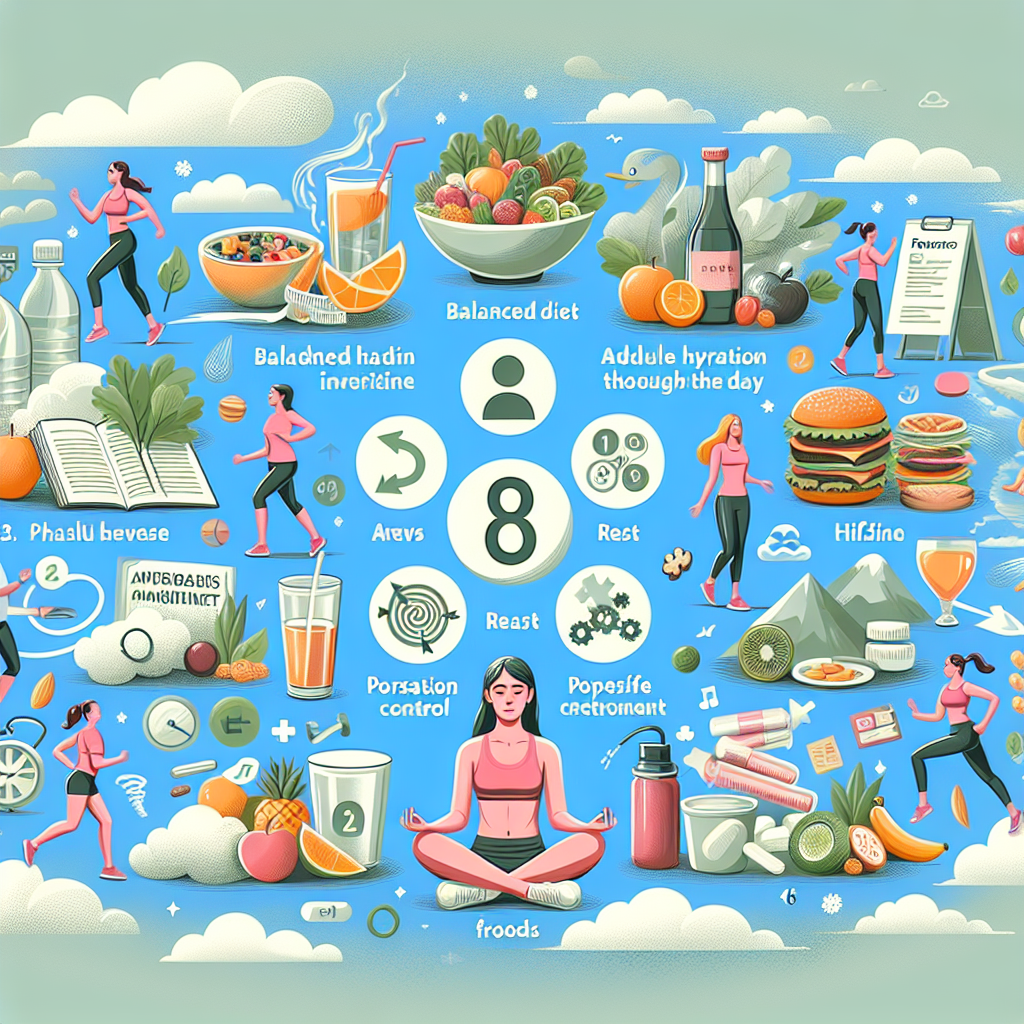
It’s crucial to understand that the body has its own built-in detox systems, primarily through the liver, kidneys, and digestive tract. A common mistake people make is resorting to extreme diets or harsh detox methods that can disrupt these natural processes. Instead, prioritize a balanced diet rich in antioxidants, fiber, and hydration to facilitate a gentle and sustainable cleansing experience.
Many individuals overlook the role of lifestyle factors in detoxification. Stress management, adequate sleep, and regular physical activity significantly impact how effectively the body can cleanse itself. Neglecting these areas can lead to ineffective detoxification and potential health issues. Make sure to integrate stress-reducing activities such as yoga, meditation, or even simple breathing exercises into your daily routine.
Hydration: The Foundation of Safe Cleansing
Proper hydration is essential for effective detoxification. Water aids in flushing out toxins and supports organ function. Aim to drink at least eight 8-ounce glasses of water daily, adjusting for activity level and climate. Herbal teas and infused waters can also enhance hydration.
Inadequate hydration can lead to a buildup of toxins in the body, impairing kidney function and overall detox processes. Remember that hydration needs can vary based on individual factors, including age, activity level, and health status. Monitor your hydration levels by observing the color of your urine; pale yellow indicates proper hydration.
Incorporating hydrating foods, such as cucumbers, watermelon, and leafy greens, can supplement your water intake while providing essential nutrients. Additionally, consider reducing diuretics like caffeine and alcohol, which can lead to dehydration.
Nutrient-Dense Foods for Effective Detox
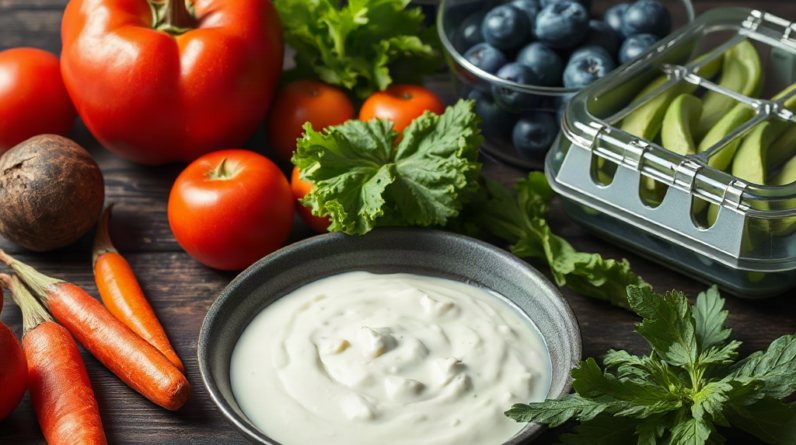
Incorporating nutrient-dense foods is crucial for supporting your body’s detox mechanisms. Focus on whole foods rich in antioxidants, fiber, and essential vitamins and minerals. Foods such as leafy greens, cruciferous vegetables, berries, and legumes are excellent choices.
A diet high in processed foods, sugar, and unhealthy fats can hinder detoxification efforts. Prioritize organic produce when possible to minimize exposure to pesticides and chemicals. Additionally, incorporating healthy fats from sources like avocados, nuts, and olive oil can support liver function and aid in detoxification.
Many people underestimate the impact of meal timing and composition on detox. Eating regular, balanced meals can stabilize blood sugar levels and prevent cravings for unhealthy options. Consider meal prepping to ensure you have healthy options readily available, reducing the temptation to reach for processed snacks.
Mindful Practices: Enhancing Detoxification
Mindfulness practices play a significant role in enhancing detoxification. Techniques such as yoga, meditation, and deep breathing can help reduce stress, which in turn supports your body’s natural detox processes. Stress can lead to hormonal imbalances that interfere with detoxification.
Incorporating physical activity into your routine is also vital. Exercise promotes circulation, helping to transport toxins to the organs responsible for elimination. Aim for at least 150 minutes of moderate-intensity exercise each week, incorporating activities you enjoy to maintain consistency.
Don’t overlook the benefits of sleep for detoxification. During sleep, your body repairs and regenerates, enhancing its ability to detoxify. Aim for 7-9 hours of quality sleep each night to support overall health and effective cleansing.
Common Mistakes in Detox Practices
While many seek to cleanse their bodies, common mistakes can undermine these efforts. One prevalent issue is relying on extreme detox diets that can lead to nutrient deficiencies and metabolic imbalances. These approaches often provide short-term results but can harm long-term health.
Good Health Solution is Easier Than Most People Think!
Take a Look for Yourself!
Another mistake is neglecting the importance of gradual changes. Abrupt dietary shifts can lead to digestive discomfort and cravings for unhealthy foods. Instead, focus on integrating healthier options slowly into your routine.
Prioritize ongoing support for your detox journey. Many individuals fail to seek guidance or resources, leading to confusion and frustration. Consider consulting with a healthcare professional or registered dietitian to tailor a plan that meets your individual needs.
Further Reading
Authoritative Sources
- Detoxification: A Review of the Literature
ncbi.nlm.nih.govThis comprehensive review discusses various detoxification methods and their effectiveness
- Detox Diet: What You Need to Know
healthline.comAn overview of different detox diets and their potential impacts on health
- Detox Diets: What You Should Know
webmd.comA critical look at detox diets and what evidence supports their use
- Detox Diets: What to Know
mayoclinic.orgInsights into the science behind detox diets and their practical implications
Frequently Asked Questions
What are the best foods to eat while cleansing?
Focus on whole, nutrient-dense foods like leafy greens, fruits, vegetables, legumes, and whole grains to support your body during a cleanse.
How long should a cleansing period last?
A cleansing period can last from a few days to several weeks, depending on your goals and health status. It’s best to consult a healthcare professional for personalized recommendations.
Are detox teas effective for cleansing?
Some detox teas may promote hydration and provide antioxidants, but they should not replace a balanced diet. It’s essential to approach them cautiously and avoid those with laxative effects.
Can I cleanse my body without dietary changes?
While dietary changes significantly enhance detoxification, practices like hydration, exercise, and mindfulness can also support the cleansing process.
What should I avoid during a cleanse?
Avoid processed foods, excessive sugar, alcohol, and caffeine during a cleanse, as these can hinder your body’s natural detoxification processes.
Conclusion
In summary, cleansing your body safely involves a holistic approach that prioritizes hydration, nutrient-dense foods, and mindful practices. By avoiding extreme diets and focusing on gradual changes, you can support your body’s natural detoxification processes effectively. Remember to integrate stress-reducing activities and prioritize sleep, as these factors significantly contribute to overall health. Make informed choices, and consider consulting a healthcare professional to tailor your cleansing strategy to your unique needs.
Good Health Solution is Easier Than Most People Think!
Take a Look for Yourself!