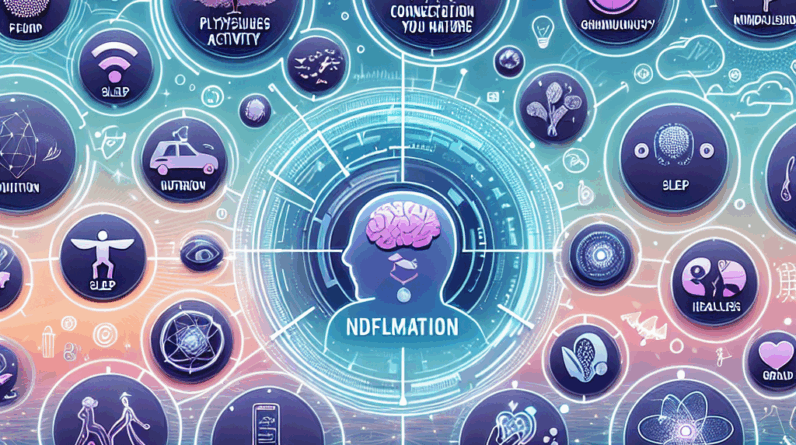

It’s important to understand that while genetics play a role in immune health, lifestyle factors are often within our control. For instance, engaging in regular exercise not only improves cardiovascular health but also boosts the production of antibodies and T-cells, which play a vital role in fighting off pathogens. Additionally, a diet rich in fruits, vegetables, whole grains, and lean proteins provides essential nutrients that support immune function.
Common mistakes people make include neglecting hydration and underestimating the impact of stress on the immune system. Chronic stress can lead to inflammation, which negatively affects immune response. Prioritizing hydration and finding effective ways to manage stress, such as mindfulness or physical activities, can greatly enhance immunity.
Nutrition for Immune Support
A well-balanced diet is fundamental for a healthy immune system. Certain nutrients, such as vitamins C and D, zinc, and antioxidants, are particularly important for immune function. Foods like citrus fruits, nuts, seeds, and leafy greens offer these essential nutrients.
Many individuals overlook the importance of micronutrients in their diets. For instance, vitamin C-rich foods not only support the immune system but also aid in the repair of tissues. Including a variety of colorful fruits and vegetables ensures a broad spectrum of nutrients, which enhances overall health.
Additionally, some foods may have immune-boosting properties. Fermented foods such as yogurt and sauerkraut promote gut health, which is linked to immune function. Prioritizing whole, unprocessed foods over refined options can significantly impact immune resilience.
Exercise and Immunity
Regular physical activity has a direct positive impact on immune health. Exercise increases circulation, which helps immune cells move through the body more efficiently. It also reduces inflammation and promotes healthy hormonal balance.
A common misconception is that intense exercise is always beneficial. While moderate exercise is crucial, excessive training without adequate recovery can lead to immune suppression. Finding a balance is key; aim for at least 150 minutes of moderate exercise each week.
Incorporating various forms of exercise, such as strength training, cardio, and flexibility workouts, can provide comprehensive benefits. Prioritize activities that you enjoy, as they are more sustainable in the long run.
Sleep’s Role in Immune Function
Sufficient sleep is vital for a healthy immune response. During sleep, the body undergoes repair processes, and immune cells are produced and activated. Lack of sleep can lead to reduced immune function and increased susceptibility to infections.
Many people underestimate the importance of sleep quality and duration. Adults should aim for 7-9 hours of quality sleep each night. Poor sleep hygiene, such as excessive screen time before bed, can hinder the ability to fall asleep and stay asleep.
Good Health Solution is Easier Than Most People Think!
Take a Look for Yourself!
To improve sleep, establish a consistent sleep schedule, create a restful environment, and limit caffeine intake in the afternoon. Prioritizing sleep can significantly enhance overall health and immune function.
Managing Stress for Better Immunity
Chronic stress is detrimental to immune health. It can lead to inflammation and suppress the immune response, making the body more vulnerable to illnesses. Effective stress management techniques are essential for maintaining strong immunity.
Many individuals overlook the impact of stress on their health. Incorporating mindfulness practices, such as meditation or yoga, can help mitigate stress levels. Regular physical activity is also an effective stress reliever.
It’s crucial to identify personal stressors and develop coping strategies. Whether through hobbies, social support, or professional help, managing stress effectively can lead to improved immune health and overall well-being.
Further Reading
For readers seeking to deepen their understanding of healthy immune system habits, consider exploring reputable health organizations and nutrition resources. Websites such as the CDC and WHO offer valuable information on nutrition, exercise, and stress management.
Further Reading
Authoritative Sources
- MedlinePlus
medlineplus.govConsumer-friendly medical and health information from the U.S. National Library of Medicine.
- National Institutes of Health
nih.govResearch-based health information and links to authoritative medical resources.
- Centers for Disease Control and Prevention
cdc.govOfficial public health guidance, prevention resources, and topic-specific recommendations.
- Mayo Clinic
mayoclinic.orgTrusted clinical guidance, symptom explainers, and treatment overviews.
- World Health Organization
who.intGlobal health guidance, fact sheets, and evidence-based public health information.
Frequently Asked Questions
What foods are best for boosting the immune system?
Foods rich in vitamins C and D, zinc, and antioxidants, such as citrus fruits, nuts, seeds, and leafy greens, are ideal for boosting the immune system.
How does exercise impact immunity?
Regular moderate exercise enhances circulation and promotes the production of immune cells, improving the body’s ability to fight off infections.
How much sleep do I need for optimal immune function?
Adults should aim for 7-9 hours of quality sleep per night to support effective immune function and overall health.
What are some effective stress management techniques?
Mindfulness practices, such as meditation and yoga, along with regular physical activity, are effective techniques for managing stress and enhancing immune health.
Can hydration affect my immune system?
Yes, staying hydrated is essential for maintaining optimal immune function, as it supports cellular processes and helps flush out toxins.
Conclusion
Incorporating healthy immune system habits into daily life is essential for enhancing overall health and resilience against illnesses. Focus on a balanced diet, regular exercise, sufficient sleep, and effective stress management. Prioritize these elements to strengthen your immune response and improve your quality of life. By making informed choices and understanding the impact of lifestyle on immunity, you can effectively support your body’s defenses and enjoy better health.

Good Health Solution is Easier Than Most People Think!
Take a Look for Yourself!