Understanding the impact of food on health is essential. Many people underestimate how dietary choices affect their overall well-being. For example, consuming high amounts of processed sugars can lead to insulin resistance, while a diet rich in fiber can enhance gut health and regulate blood sugar levels. Prioritizing whole, unprocessed foods is a fundamental step in using food as medicine effectively.
Common mistakes include overlooking personal health conditions when choosing foods. For instance, someone with celiac disease should avoid gluten-containing grains, while those with lactose intolerance should limit dairy. It’s vital to tailor dietary choices to individual health needs, ensuring that the foods consumed not only provide nourishment but also support specific health goals.
Key Foods for Optimal Health
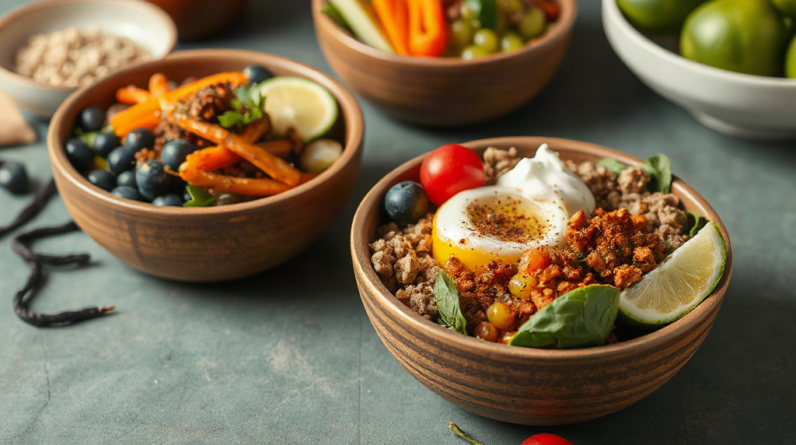
Incorporating specific foods into your diet can make a significant difference in your health. Foods such as fatty fish, nuts, seeds, and a variety of fruits and vegetables are known for their medicinal properties. Fatty fish, like salmon, are rich in omega-3 fatty acids, which are essential for heart and brain health. Nuts and seeds provide healthy fats, protein, and fiber, making them ideal for maintaining energy levels and promoting satiety.
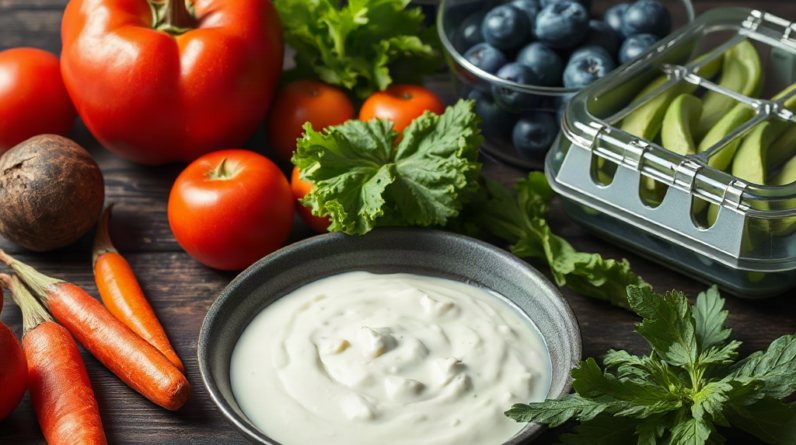
When selecting fruits and vegetables, aim for a rainbow of colors to ensure a diverse intake of vitamins and minerals. For instance, berries are high in antioxidants, which help combat oxidative stress, while leafy greens like kale and spinach are packed with vitamins A, C, and K. Prioritize organic options when possible to minimize pesticide exposure and maximize nutrient intake.
It’s also important to consider the preparation methods of these foods. Cooking methods such as steaming and baking can preserve nutrients, while frying may diminish their health benefits. Incorporating a variety of cooking techniques can enhance both flavor and nutrition, making it easier to enjoy these health-promoting foods.
Understanding Nutritional Needs
Everyone’s nutritional needs vary based on factors such as age, gender, activity level, and health conditions. Understanding these needs is crucial for creating a personalized dietary plan. For example, athletes may require higher protein intake to support muscle recovery, while older adults may need more calcium and vitamin D to maintain bone health.
Additionally, food sensitivities and allergies should be taken into account. Individuals with lactose intolerance should seek lactose-free dairy alternatives, while those with gluten sensitivities should avoid wheat-based products. Consulting with a healthcare provider or nutritionist can provide tailored dietary advice that meets individual needs and helps avoid common pitfalls.
Monitoring how different foods affect your body can also provide valuable insights. Keeping a food diary can help identify foods that trigger adverse reactions or contribute to health issues, enabling more informed dietary choices moving forward.
Common Dietary Mistakes
One of the most prevalent mistakes people make is relying heavily on processed foods, which can lead to nutrient deficiencies and health issues. Processed foods often contain high levels of added sugars, unhealthy fats, and preservatives that can negatively impact health. Instead, focus on whole foods that provide essential nutrients and support overall wellness.
Another mistake is neglecting portion control. Even healthy foods can contribute to weight gain if consumed in excessive amounts. Understanding portion sizes and practicing mindful eating can help maintain a balanced diet without overindulging.
Good Health Solution is Easier Than Most People Think!
Take a Look for Yourself!
It’s also important to avoid the assumption that all supplements can replace a balanced diet. While supplements can be beneficial in certain situations, they should not be relied upon as a substitute for whole foods. Prioritizing a varied diet rich in natural foods is the best approach for long-term health.
Practical Tips for Implementation
Implementing food as medicine tips into daily life doesn’t have to be overwhelming. Start with small changes, such as incorporating one new healthy food each week. This gradual approach can make it easier to adapt and create sustainable habits.
Meal planning is another effective strategy. By planning meals in advance, you can ensure that your diet includes a variety of health-promoting foods. Preparing meals at home allows for better control over ingredients and portion sizes, making it easier to align your diet with your health goals.
Additionally, consider joining a community or support group focused on healthy eating. Sharing experiences and tips with others can provide motivation and accountability, helping you stay committed to your dietary changes.
Further Reading
Authoritative Sources
- Food as Medicine: A Healthier Approach to Nutrition
ncbi.nlm.nih.govThis resource provides in-depth research on the relationship between food and health, emphasizing the role of nutrition in disease prevention
Frequently Asked Questions
What are some examples of foods that act as medicine?
Examples include fatty fish for heart health, berries for their antioxidant properties, and leafy greens for their vitamins and minerals.
How can I incorporate more whole foods into my diet?
Start by replacing processed snacks with whole fruits, vegetables, nuts, and seeds, and prioritize home-cooked meals.
What are common dietary mistakes to avoid?
Avoid relying on processed foods, neglecting portion control, and assuming supplements can replace a balanced diet.
How do I know my specific nutritional needs?
Consulting with a healthcare provider or nutritionist can help identify your specific nutritional needs based on your health status and lifestyle.
What is the best way to start using food as medicine?
Begin by gradually incorporating one new health-promoting food each week and focus on meal planning to ensure variety.
Conclusion
Incorporating food as medicine tips into your lifestyle can significantly enhance your health and well-being. By focusing on nutrient-dense foods and understanding your individual nutritional needs, you can make informed dietary choices that support your health goals. Remember to prioritize whole foods, practice portion control, and tailor your diet to your unique health conditions. Taking small, manageable steps can lead to lasting changes that improve your overall health and quality of life.

Good Health Solution is Easier Than Most People Think!
Take a Look for Yourself!