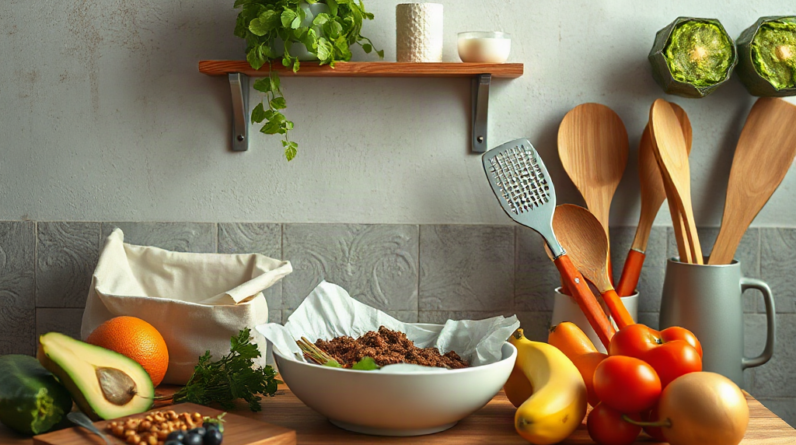
Meals for two with minimal leftovers work best when six dinners share a small set of flexible ingredients, proteins are portioned before cooking, and perishable foods are scheduled by shelf life. Plan each dinner around two protein portions, two servings of vegetables, and only enough starch for that night unless a second use is intentional. Buy loose produce or the smallest practical package, then assign any unavoidable excess to a named meal such as tortillas becoming breakfast wraps. Freeze surplus meat, bread, and sauces immediately rather than waiting until they are close to spoiling, and treat unplanned cooked food as a planning error to correct next week.
Why Do Two-Person Meal Plans Create Excess?
Two-person cooking often produces excess because recipes and grocery packages are not sized around the same unit. A recipe may call for half a bunch of herbs, one cup of broth, or a few tortillas, while the store sells considerably more. The mismatch becomes costly when each dinner introduces a different specialty ingredient that has no assigned second use.
Recipe yield creates another problem. A dish labeled as four servings does not automatically provide two dinners for two people. Serving sizes may be smaller than either diner normally eats, especially for a light soup or salad, or larger than needed for a rich pasta. Cooking the full recipe without checking the ingredient quantities can leave an awkward third serving: too much to discard comfortably, but not enough for another shared meal.
The useful distinction is between planned reuse and accidental leftovers. Planned reuse means roasting four chicken portions because two are scheduled for grain bowls the following evening. Accidental leftovers are cooked rice, wilted spinach, or half a sauce jar with no date or destination. The first approach saves work; the second transfers a decision from dinner time to a more inconvenient moment.
Variety can also be misunderstood. Buying separate vegetables, sauces, herbs, and starches for every recipe creates visual variety on the menu but excessive inventory in the refrigerator. A better form of variety changes preparation and seasoning while retaining a few shared components. Bell peppers can appear roasted beside fish, raw in a bean salad, and sautéed in a tortilla filling without making the dinners feel identical.
Before planning, inspect the refrigerator, freezer, and pantry for partial packages that need a destination. Note the foods that are most perishable, not every shelf-stable item in the kitchen. A half bag of spinach deserves a firm place early in the week; unopened pasta does not. If discarded produce, cooked grains, or open condiments appear repeatedly, the plan is failing at the purchasing stage rather than the recipe stage.
How Do You Build a Six-Dinner Method for Two?
A six-dinner schedule leaves one evening flexible for dining out, an unexpected late day, or a deliberate use-up meal. Planning all seven nights can look efficient on paper, but it leaves no room for changing appetites or schedules. That rigidity often turns the final recipe into unused groceries.
Choose two anchor proteins, two main starches, and four or five vegetables before selecting exact dishes. Add pantry ingredients such as canned beans, eggs, dried pasta, rice, or frozen vegetables where they fit naturally. The objective is controlled overlap: several dinners draw from the same purchase, but their formats and seasonings differ.
| Dinner | Main Format | Shared Ingredients | Waste-Control Move |
|---|---|---|---|
| 1 | Sheet-pan chicken | Chicken, peppers, broccoli | Cook two portions; freeze extra raw chicken |
| 2 | Bean and pepper tacos | Peppers, tortillas, yogurt | Use half a can of beans and chill the rest |
| 3 | Lemon fish with rice | Rice, broccoli, lemon | Measure dry rice for two before cooking |
| 4 | Vegetable fried rice | Rice, eggs, broccoli | Use intentionally reserved rice promptly |
| 5 | Chicken pasta | Chicken, spinach, yogurt | Cook pasta by weight rather than by sight |
| 6 | Bean and spinach bowls | Beans, spinach, tortillas | Toast remaining tortillas into strips |
This model is a structure rather than a fixed menu. Fish could be replaced with tofu, chicken with another preferred protein, and yogurt with a suitable sauce. The key is that peppers, broccoli, spinach, rice, tortillas, beans, and yogurt each have more than one defined use. Ingredients that do not overlap should either be shelf-stable, freezable, or available in a genuinely small quantity.
Sequence meals according to perishability and schedule. Delicate greens, fresh fish, and ripe produce belong earlier unless frozen or purchased later. Root vegetables, eggs, canned foods, frozen proteins, and dry grains provide more flexibility near the end. A split shopping trip can be sensible when the second stop is convenient; it is less useful if it encourages impulse purchases or adds substantial travel.
Keep one low-effort dinner available but do not buy a separate set of perishables for it. Eggs with toast and frozen vegetables, pasta with canned tomatoes, or bean quesadillas can absorb schedule changes. A sign the method is working is that the final dinner still has complete ingredients but little loose produce remains. A plan that repeatedly requires emergency takeout while fresh food waits in the refrigerator needs fewer ambitious recipes, not stricter discipline.
How Much Should You Buy and Cook?
Useful portions begin with each household’s normal appetite, not a universal serving claim. Age, activity, meal composition, and whether lunch was substantial all affect how much two people will eat. Track what remains after several familiar dinners, then adjust future quantities in practical units such as chicken pieces, handfuls of greens, dry pasta weight, or cups of uncooked rice.
Measure ingredients that expand during cooking. Rice, pasta, couscous, and other grains are easy to overproduce when poured directly from a package. Use the package directions as a starting point, compare the result with what the household actually ate, and record the preferred dry amount. For vegetables, allow more volume when they form the center of the meal and less when several sides are present.
Package price should be judged by the amount likely to be used, not only the price per ounce. A large clamshell of greens may appear economical but costs more per eaten portion if half spoils. Loose carrots, individual potatoes, a small head of cabbage, or produce sold by weight gives a two-person household better control. Larger packages remain sensible for foods that are used regularly and store well, including oats, dry beans, frozen peas, or rice.
Portion bulk purchases as soon as they enter the kitchen. Divide raw protein into two-person packets, label them with the item and date, and freeze what is not scheduled soon. Separate sliced bread or tortillas with freezer-safe wrapping if they tend to stick together. This early division prevents a large package from quietly becoming the default cooking quantity.
A compact pre-shopping check reduces the most common errors:
Good Health Solution is Easier Than Most People Think! Take a Look for Yourself!
- Count complete portions: verify that every dinner has enough food for both diners.
- Name every perishable use: assign herbs, greens, dairy, and cut produce to specific meals.
- Check package remainder: decide whether the unused amount will be chilled, frozen, or used elsewhere.
- Review the calendar: remove dinners that conflict with work, travel, or social plans.
- Leave one buffer: preserve an unscheduled evening rather than buying seven fragile meal sets.
Do not reduce portions so aggressively that dinner is unsatisfying. Chronic underbuying can lead to extra snacks, unplanned purchases, or abandoning the menu. If appetites differ, plate unequal portions intentionally or add an adjustable side such as bread, fruit, beans, or a simple salad. Minimal leftovers should mean little unwanted excess, not inadequate meals.
How Can the Freezer Prevent Waste Without Creating Clutter?
The freezer works best as part of the plan, not as indefinite storage for food no one wanted. Freeze ingredients while their quality is still good, in quantities that match a dinner for two. Flat packets of ground meat, two chicken portions, sliced bread, grated cheese, and measured sauce usually thaw and portion more conveniently than bulky original packages.
Label each package with its contents, quantity, and freezing date. Descriptions should be specific enough to support a meal decision: “two cooked chicken portions” is more useful than “chicken.” Keep a short freezer inventory on the door or in a phone note, and remove items as they are used. Without an inventory, frozen food may be technically preserved but practically forgotten.
Not every leftover belongs in the freezer. Some cooked vegetables lose their preferred texture, and small unlabeled spoonfuls of sauce rarely become a meaningful meal. Freeze food only when there is a realistic future use. Half a can of coconut milk may be worth freezing in a measured container if curry is cooked regularly; two tablespoons of an unfamiliar dressing may be better handled by buying a smaller product next time.
Food safety still governs storage decisions. Refrigerate or freeze perishable cooked food promptly, use clean shallow containers where appropriate, and follow reliable guidance for storage and reheating rather than judging safety solely by smell. The USDA FoodKeeper resource provides item-specific storage guidance, while federal food-safety materials explain safe handling of leftovers. People with higher food-safety risks may need more cautious practices and should follow advice appropriate to their circumstances.
Set a recurring freezer meal into the schedule every few weeks. That meal might combine frozen soup with bread, use stored chicken in tacos, or turn frozen sauce into pasta for two. This creates turnover and exposes weak purchasing choices. If the same package remains untouched through several inventory checks, stop buying that amount or format. Success is visible when frozen portions leave at roughly the rate they enter, labels remain readable, and the freezer contains meal components rather than unidentified containers.
Conclusion
Better two-person meal planning comes from controlling quantities before food reaches the pan. Begin with six realistic dinners, reserve one flexible night, and choose a short list of ingredients that can move between distinct meal formats. Schedule delicate foods first, measure expanding starches, and compare package size with the amount likely to be eaten rather than relying on unit price alone.
For the next shopping cycle, review what is already open, assign every short-lived ingredient a named use, and portion freezable purchases immediately. Keep notes on the quantities both diners actually finish, then refine the plan instead of following recipe yields blindly. If excess keeps appearing, identify whether it came from an oversized package, an abandoned dinner, or overcooking. Correcting that specific decision will reduce waste more reliably than trying to invent uses for unwanted food at the end of the week.
Frequently Asked Questions
Is it cheaper to cook four servings and eat the same dinner twice?
It can be cheaper when both people want the second meal and it will be eaten promptly. If repeated meals are often avoided, cooking two portions or freezing two planned portions is more economical than discarding them.
How can two people use an entire bunch of fresh herbs?
Choose several dishes that use the same herb, add it to eggs or salads, or freeze it in a format suited to later cooking. If herbs are frequently wasted, buy a smaller amount or use a longer-lasting alternative when the recipe allows.
Should every ingredient appear in more than one dinner?
No. Single-use ingredients are reasonable when sold in the required quantity, stored for a long time, or central to the meal. Perishable ingredients sold in larger packages need the strongest second-use plan.
What is the easiest backup dinner for two?
Use familiar shelf-stable and frozen foods already kept at home, such as eggs and toast, pasta with canned tomatoes, or beans with tortillas. The best backup requires little preparation and does not introduce new perishables.
How do you avoid getting bored with shared ingredients?
Change the cooking method, seasoning, and meal format. The same peppers can be roasted with chicken, served raw in a bean salad, and sautéed for tacos without tasting like the same dinner.
Further Reading
Authoritative Sources
- FoodKeeper App
foodsafety.govProvides storage guidance for refrigerated, frozen, and pantry foods commonly used in two-person meal plans
- Leftovers and Food Safety
fsis.usda.govExplains federal food-safety practices for cooling, storing, thawing, and reheating leftovers
- What Is MyPlate?
myplate.govOffers a practical food-group framework that can help readers assemble balanced dinners from flexible ingredients
 Good Health Solution is Easier Than Most People Think! Take a Look for Yourself!