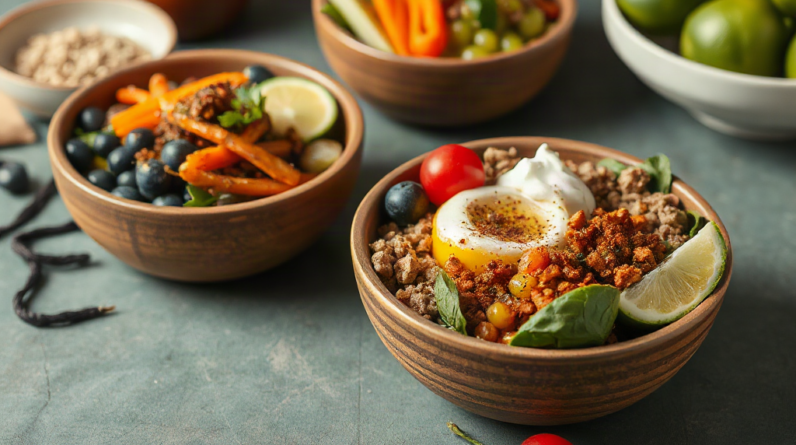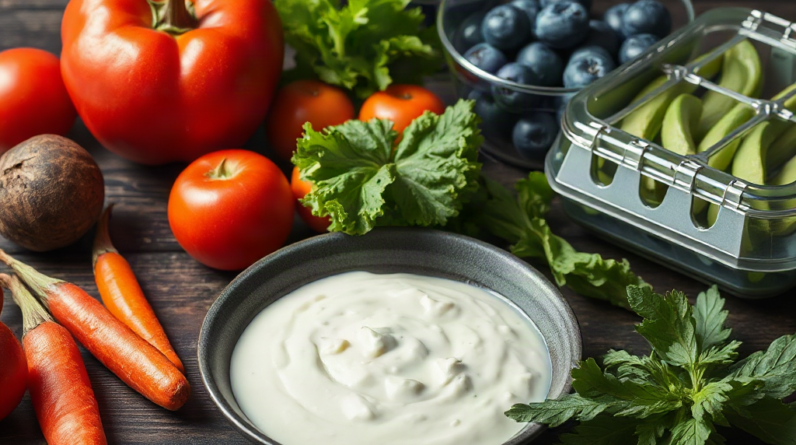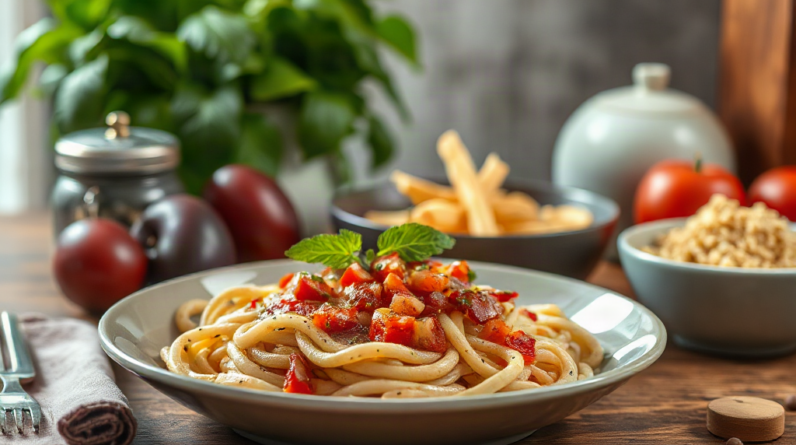
Heart healthy recipes for everyday family dinners work best when vegetables, whole grains, beans, fish, or lean poultry form the meal’s foundation while sodium and saturated fat stay modest. Practical options include sheet-pan salmon with broccoli, lentil tomato pasta, chicken-barley soup, and black bean tacos with cabbage slaw. Build flavor with citrus, garlic, herbs, toasted spices, and unsalted nuts rather than relying mainly on salt, butter, or heavy sauces. Choose recipes the family already recognizes, then make targeted changes such as using whole-grain pasta, draining canned beans, or replacing part of the meat with legumes.
What Makes a Family Dinner Heart-Conscious?
A heart-conscious dinner emphasizes minimally processed plant foods, unsaturated fats, and sensible portions of protein rather than depending on a single “superfood.” Vegetables, fruit, beans, lentils, intact or whole grains, fish, and unsalted nuts provide fiber and a varied mix of nutrients. Olive or canola oil can replace some butter, while lean poultry or legumes can stand in for fatty or heavily processed meats.
The pattern across the plate matters more than whether every ingredient carries a health claim. A useful starting point is to make vegetables a substantial part of the meal, add a whole-grain or starchy plant food, and include a moderate protein portion. That might mean roasted broccoli, brown rice, and salmon; or cabbage slaw, corn tortillas, and black beans. These combinations tend to be more filling than a small portion of “diet food” because they retain fiber, texture, and volume.
Sodium deserves attention because it can accumulate through bread, broth, condiments, cheese, seasoning packets, and prepared proteins before anyone reaches for the saltshaker. Saturated fat can rise just as quietly when a recipe combines fatty meat, butter, cream, and a large amount of cheese. The practical response is not to ban every ingredient. Identify the dominant source and adjust that first: use a lower-sodium broth, reduce the seasoning packet, choose leaner meat, or treat cheese as a flavorful accent.
| Meal Component | Useful Choices | Common Pitfall |
|---|---|---|
| Vegetables | Fresh, frozen, or no-salt-added canned varieties | Heavy cream or salty bottled sauce |
| Protein | Beans, lentils, fish, tofu, or lean poultry | Processed meats as the default |
| Carbohydrate | Oats, barley, brown rice, whole-grain pasta, or potatoes | Oversized refined-grain portions with few vegetables |
| Fat and flavor | Olive oil, nuts, seeds, avocado, herbs, and citrus | Layering butter, cream, cheese, and salty sauces |
A common mistake is making several dramatic substitutions at once. A familiar pasta dinner may be accepted with whole-grain noodles or lentils added to the sauce, but changing the pasta, sauce, protein, and seasoning simultaneously can create unnecessary resistance. Improve the ingredient with the greatest nutritional impact first, then refine the meal as the family becomes accustomed to it. People with diagnosed heart, kidney, metabolic, or other medical conditions should follow individualized guidance from a qualified clinician or registered dietitian rather than assuming one dinner pattern fits every need.
Seven Recipes for Busy Weeknights
Reliable weeknight recipes share ingredients and techniques, which reduces both shopping time and waste. The following seven ideas use flexible foundations rather than rigid formulas. Seasoning amounts can be adjusted for age, appetite, and medical needs, while leftovers can become lunches or components of another dinner.
1. Lemon-Dill Salmon With Broccoli and Barley
Roast salmon portions and broccoli on one pan, adding lemon zest, black pepper, dill, and a light coating of olive oil. Serve them with cooked barley. Salmon provides protein and unsaturated fats, while barley and broccoli contribute fiber. If salmon is outside the budget, use canned salmon patties made with oats, egg, herbs, and no-salt-added seasoning.
2. Lentil Tomato Pasta With Spinach
Simmer cooked brown or green lentils in a no-salt-added tomato sauce with garlic, oregano, mushrooms, and spinach, then toss with whole-grain pasta. Lentils replace some or all of the ground meat without making the sauce feel sparse. Check jarred sauce labels carefully because sodium varies considerably; plain canned tomatoes offer more control.
3. Sheet-Pan Chicken, Sweet Potato, and Green Beans
Roast skinless chicken, sweet potato wedges, and green beans with smoked paprika, thyme, garlic, and a measured amount of oil. Cut the vegetables to similar thicknesses so they finish together. Chicken breasts can dry out before dense sweet potatoes cook, so start the potatoes first or use smaller pieces.
4. Black Bean Tacos With Crunchy Slaw
Warm drained, rinsed black beans with cumin, chili powder, and lime. Spoon them into corn tortillas with cabbage, tomato, avocado, and plain yogurt or a small amount of cheese. Rinsing canned beans removes some surface sodium, although people needing strict sodium limits should still compare labels or cook dried beans without salt.
5. Ginger-Tofu Vegetable Bowls
Brown cubes of firm tofu, then add frozen stir-fry vegetables and a sauce made from ginger, garlic, rice vinegar, and a modest amount of reduced-sodium soy sauce. Serve over brown rice. “Reduced sodium” does not mean sodium-free, so measure the sauce rather than pouring directly from the bottle.
6. Chicken-Barley Vegetable Soup
Combine cooked chicken, barley, carrots, celery, white beans, and chopped kale in unsalted or lower-sodium broth. Bay leaf, thyme, lemon juice, and black pepper keep the soup savory. Soup is easy to batch-cook, but broth, canned beans, and prepared chicken can create a high-sodium stack if all three are heavily seasoned.
7. Chickpea and Vegetable Curry
Simmer chickpeas, cauliflower, peas, tomatoes, garlic, ginger, and curry spices with a small amount of light coconut milk or an unsweetened yogurt finish. Serve with brown rice or another whole grain. Coconut milk contributes saturated fat, so use it for character rather than making it the bulk of the sauce.
The recipes are interchangeable at the component level. Extra barley can enter the soup, leftover slaw can top a grain bowl, and spinach can move from the pasta into the curry. Success looks like ingredients being reused without meals tasting identical. Failure usually appears as an overambitious plan requiring seven unrelated sets of produce, sauces, and cooking methods.
How Can You Build Flavor With Less Sodium?
Lower-sodium cooking tastes satisfying when flavor comes from several sources instead of salt alone. Browning, acidity, aromatics, spices, and contrasting textures each affect how a meal is perceived. Roasted mushrooms taste deeper than boiled ones, lemon brightens fish and beans, and toasted cumin gives tacos more aroma without adding sodium.
Begin with the cooking method. Roasting concentrates sweetness in carrots, onions, cauliflower, and tomatoes, while searing creates a browned surface on tofu, fish, or poultry. Avoid crowding a pan because trapped steam prevents browning. A wide pan and properly dried ingredients often improve flavor more effectively than another spoonful of sauce.
Good Health Solution is Easier Than Most People Think! Take a Look for Yourself!
Next, build an aromatic base with onion, garlic, scallions, ginger, celery, or peppers. Dried spices usually benefit from brief contact with warm oil, but they can scorch quickly. Fresh herbs are generally better added near the end. Acid should also be timed deliberately: lemon juice, lime juice, or vinegar added just before serving restores brightness that can fade during long cooking.
- For tomato dishes: try garlic, oregano, fennel seed, basil, or red pepper flakes.
- For beans and grains: use cumin, smoked paprika, citrus, parsley, or toasted seeds.
- For fish or poultry: combine lemon, dill, thyme, mustard powder, or black pepper.
- For vegetable bowls: add ginger, garlic, rice vinegar, sesame seeds, or scallions.
Salt substitutes need care. Some products replace sodium with potassium, which may be unsuitable for certain people with kidney disease or those taking particular medications. A clinician or pharmacist can advise whether such a product is appropriate. For most households, a safer culinary strategy is to compare packaged-food labels, choose unsalted foundations, and apply a modest amount of salt where it is most noticeable.
Do not assume that sea salt, kosher salt, or pink salt is automatically a low-sodium choice. Crystal size changes how much fits in a spoon, but these products still contribute sodium. Another failure mode is compensating for less salt with large amounts of sugar, butter, or cheese. The better test is whether diners notice aroma, acidity, browning, and texture—not merely whether the dish tastes intensely salty.
How Do You Adapt Recipes Without Making Separate Meals?
A shared base meal with customizable toppings is usually more practical than cooking a “healthy” dinner for one person and a separate dinner for everyone else. Taco fillings, grain bowls, pasta sauces, soups, and sheet-pan meals work especially well because each diner can adjust portions and garnishes without changing the core recipe.
For a taco night, place seasoned black beans and roasted vegetables at the center of the meal. Offer tortillas, cabbage, tomato, avocado, lime, yogurt, and cheese separately. A child who prefers plain components can eat beans, a tortilla, and avocado without being served an unrelated entrée. Adults can add slaw and hot sauce. The same principle works with pasta: keep some sauce smooth, then stir lentils, mushrooms, or spinach into the rest.
Texture often matters more than the ingredient itself. A family member who rejects soft zucchini may accept it roasted until browned; someone who dislikes whole beans may prefer them mashed into a taco filling. Keep one familiar element on the table when introducing a new grain, vegetable, or protein. Repeated low-pressure exposure is more workable than disguising every ingredient or demanding a clean plate.
Use this short planning sequence before shopping:
- Choose two proteins that can cross over between meals, such as beans and chicken.
- Select three vegetables, including at least one durable option such as cabbage, carrots, or frozen broccoli.
- Cook one whole grain in enough quantity for two dinners.
- Pick two distinct flavor profiles, such as lemon-herb and tomato-cumin.
- Reserve one fast meal built from leftovers or freezer staples.
Budget constraints do not require abandoning the pattern. Dried or low-sodium canned beans, lentils, oats, barley, seasonal produce, and frozen vegetables can form inexpensive meals. Fish may be used once rather than several times, with canned varieties offering another option. Compare cost per usable serving, not package price alone; a bag of greens that spoils is not cheaper than frozen spinach that is fully used.
Watch for signs that the plan is failing: unused specialty ingredients, persistent complaints about blandness, excessive preparation time, or leftovers nobody wants. Correct the specific problem. Reduce the number of components, improve browning and acidity, or repeat a popular format with a different protein. Heart-conscious family cooking should make the routine more sustainable, not turn every weeknight into a nutrition project.
Frequently Asked Questions
Can heart-conscious dinners include pasta?
Yes. Choose whole-grain pasta when the family accepts it, keep portions proportionate to vegetables and protein, and use tomato-, vegetable-, or bean-based sauces more often than heavy cream sauces.
Are frozen vegetables suitable for these recipes?
Plain frozen vegetables are convenient, reduce waste, and work well in soups, curries, stir-fries, and sheet-pan meals. Check flavored versions for added sodium, saturated fat, or sugary sauces.
How can canned beans fit into a lower-sodium dinner?
Look for no-salt-added or lower-sodium beans, then drain and rinse them. Account for sodium from tortillas, broth, cheese, and condiments used in the same meal.
What can replace processed meat at dinner?
Beans, lentils, fish, tofu, or skinless poultry can replace sausage, bacon, and deli meat. In familiar recipes, replacing only part of the processed meat may ease the transition.
Should every family member eat the same portion?
No. Energy needs and appetites differ with age, body size, activity, health, and growth. Serve the same basic meal while allowing diners to adjust portions and toppings.
Conclusion
The most workable family dinners improve the pattern of the plate without demanding perfection from every ingredient. Prioritize vegetables, beans or other lean proteins, whole grains, and unsaturated fats, then check where sodium and saturated fat are accumulating. Familiar formats—tacos, pasta, soup, grain bowls, and sheet-pan meals—make those changes easier to accept and repeat.
Choose two recipes for the coming week rather than attempting all seven at once. Buy overlapping ingredients, prepare one grain ahead, and keep a frozen vegetable available for schedule disruptions. If a meal falls flat, identify whether the problem was seasoning, texture, timing, cost, or family preference before discarding the entire approach. Anyone managing a diagnosed condition or a medically prescribed diet should adapt these ideas with individualized professional guidance.
 Good Health Solution is Easier Than Most People Think! Take a Look for Yourself!