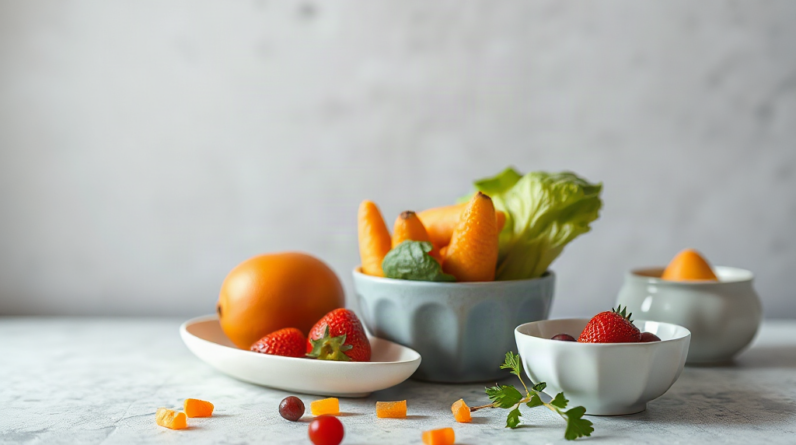
Limited food access calls for practical nutritious eating methods built around available staples, realistic storage, and meals that supply protein, fiber, and energy without depending on fresh food every day. Prioritize versatile items such as beans, oats, rice, canned fish, shelf-stable milk, frozen vegetables, and peanut butter, then combine them rather than judging individual foods in isolation. Compare price per usable serving, account for cooking fuel and spoilage, and buy only quantities the household can store safely. When food runs short, community food programs and public benefits should supplement—not replace—an immediate plan for regular meals.
What Should You Prioritize First?
Regular access to enough usable food comes before an idealized version of a balanced diet. A household with a small grocery budget, no car, limited refrigerator space, or an unreliable stove faces several constraints at once. Advice centered on specialty ingredients, frequent shopping, or cooking every meal from scratch may waste money or simply be impossible to follow.
The first priority is a dependable base of foods that can become more than one meal. Oats can serve as breakfast, thicken a bean patty, or add substance to yogurt. Rice, pasta, tortillas, and potatoes provide energy and can carry vegetables and protein. Beans, lentils, eggs, canned fish, peanut butter, shelf-stable milk, and canned chicken are practical protein options, although their cost and availability vary by store and region.
Nutrition is better judged across meals than by whether every plate looks perfect. A bowl of rice alone may satisfy hunger briefly but provides limited protein and variety. Rice combined with beans and canned tomatoes is more substantial; adding frozen spinach or canned corn broadens the nutrient mix. The combination matters because protein and fiber generally make a basic starch more filling, while vegetables or fruit contribute nutrients that may be sparse in an otherwise repetitive menu.
A useful priority order is:
- Secure enough food for regular meals. Avoid spending a large share of the budget on a small amount of a supposedly superior product.
- Add a practical protein source. Choose one the household will eat and can prepare with available equipment.
- Include produce in a form that will last. Frozen, canned, dried, and fresh options can all have a place.
- Protect flexibility. Favor ingredients that work in several dishes rather than items tied to one recipe.
A common mistake is treating fresh food as automatically better than canned or frozen food. Fresh produce is useful when it is affordable and likely to be eaten before spoiling. Frozen vegetables may be the stronger choice when shopping trips are infrequent, while canned vegetables can work where freezer space is scarce. If sodium is a concern, compare labels when options exist, drain canned foods, or rinse suitable items such as beans. The practical implication is simple: select the form that reaches the plate, not the one that best matches an unrealistic shopping ideal.
Building Nutritious Meals From Available Foods
A repeatable meal formula makes a limited assortment easier to use. Start with an energy-providing base, add a protein food, include any available vegetable or fruit, and use a flavorful extra if one is on hand. This is not a rigid rule or a treatment plan; it is a way to turn disconnected pantry items into meals with greater staying power and variety.
| Meal role | Longer-lasting options | Simple use |
|---|---|---|
| Base | Oats, rice, pasta, potatoes, tortillas | Cook as the main source of energy |
| Protein | Beans, lentils, eggs, canned fish, peanut butter | Add to the base or serve alongside it |
| Produce | Frozen vegetables, canned tomatoes, carrots, apples, dried fruit | Stir in, heat as a side, or serve raw |
| Flavor | Oil, salsa, spices, broth, cheese | Use modest amounts to make repeated staples distinct |
Consider a household with pasta, canned tomatoes, white beans, and a small bag of frozen mixed vegetables. The ingredients can become a soup if water and seasoning are added, a thick pasta dish when less liquid is used, or a bean-and-vegetable bowl if pasta is saved for another day. The foods are inexpensive in many locations, but the larger advantage is operational: all four can be portioned, combined, and carried into another meal.
Convenience food also deserves a realistic assessment. Instant noodles alone are limited as a routine meal, yet they can become more substantial with an egg, frozen peas, leftover chicken, or beans. Boxed macaroni can be extended with canned tuna and broccoli. A frozen entrée may be reasonable for someone with mobility limitations or no safe way to handle raw ingredients. Whole foods often offer more flexibility, but “from scratch” is not automatically the best choice when time, disability, fuel, water, or kitchen access is restricted.
Flavor fatigue is an underappreciated failure point. People may stop eating a low-cost staple if it appears in the same form every day. A small number of seasonings can change the result: beans can move from a tomato-based bowl to a curried dish or a mashed tortilla filling. Buying ten sauces is unnecessary; one or two familiar flavorings are more useful than inexpensive products nobody likes.
Watch for signs that the formula needs adjustment. Persistent hunger soon after meals may indicate portions are too small or meals lack protein, fat, or fiber. Produce repeatedly spoiling suggests that the quantity or format does not fit the shopping schedule. Unused “healthy” foods are not a success; replace them with acceptable alternatives in the same role.
How Do You Shop When Price, Storage, and Transport Compete?
The lowest shelf price is not always the lowest practical cost. A large bag may have a cheaper unit price but still be poor value if it cannot be carried home, stored away from pests, cooked with available equipment, or finished before quality declines. Limited food access turns storage capacity, transportation, preparation time, and cooking fuel into part of the price.
Compare products by usable servings rather than package size alone. Dry beans are often economical and store well, but canned beans may be the better purchase for someone without time, soaking space, or dependable stove access. A whole cabbage may last longer than delicate greens, yet frozen spinach may be easier to portion for one person. Powdered milk can reduce spoilage where refrigeration is unreliable, while ready-to-drink shelf-stable milk avoids mixing and clean-water requirements.
Before shopping, check four constraints: money available now, meals needed before the next trip, storage space, and preparation equipment. Then reserve most of the budget for foods that cover multiple meals. A smaller portion can go toward fresh items with shorter lives or ingredients that improve taste. This protects the menu if a planned recipe fails or the next shopping trip is delayed.
A practical basket might include oats, rice, two types of beans, eggs, canned tomatoes, frozen vegetables, carrots, apples, peanut butter, and tortillas. That basket is not universally affordable or culturally appropriate; it illustrates role coverage. Another household might use grits, lentils, canned greens, sardines, powdered milk, and plantains. Familiar staple foods are usually more useful than substitutions chosen only because they appear inexpensive.
Common shopping errors include buying duplicate starches while omitting protein, choosing produce that ripens all at once, and spending heavily on individually packaged snacks. Snacks may still be necessary for work, school, or medical scheduling, but portioning crackers, popcorn, fruit, or peanut butter at home may reduce cost when time and containers permit. Conversely, individual packages can be worth the extra expense where there is no safe storage or food must be carried all day.
The plan is working when most purchased food has an assigned use, leftovers are incorporated safely, and there are still one or two backup meals near the end of the shopping cycle. It is failing when bargains accumulate unused, cooking requirements exceed household capacity, or the final days depend on skipping meals.
How Can You Make Food Last Without Sacrificing Variety?
Food lasts longer when meals are sequenced according to perishability. Use tender greens, ripe fruit, fresh meat, and opened refrigerated products earlier; save intact root vegetables, frozen foods, and unopened pantry staples for later. This reduces waste without forcing every meal to rely on canned products.
Plan ingredients rather than a long list of separate recipes. Cooking rice once can support a bean bowl, a vegetable-and-egg skillet, and a later soup, provided it is cooled and stored promptly and reheated appropriately. A pot of lentils can become soup on the first day and a tortilla filling later. People who lack reliable refrigeration should not batch-cook large quantities; unopened shelf-stable foods and smaller portions are safer and more practical.
Divide scarce ingredients according to the value they add. A small amount of meat can flavor beans or a stew instead of serving as the entire center of one meal. Cheese can finish several potato, egg, or bean dishes. Frozen vegetables can be poured out in small amounts while the rest remains stored. Stretching an ingredient works when the resulting meals are still adequate; repeatedly diluting food until portions no longer satisfy hunger is not an effective economy.
Good Health Solution is Easier Than Most People Think! Take a Look for Yourself!
Variety does not require a different grocery list every week. Changing texture and format can make the same staples feel less repetitive. Oats can be cooked soft, baked if an oven is available, or mixed into a peanut butter snack. Chickpeas can remain whole in rice, be mashed for a sandwich filling, or be added to tomato soup. Alternating two breakfasts and three adaptable dinners is often easier to maintain than planning seven unique days.
Use a short end-of-cycle check before buying more:
- Which opened foods need to be eaten first?
- Which staple is plentiful, and which meal role is missing?
- Can leftovers become a safe next-day meal?
- Did any food spoil, go uneaten, or require unavailable equipment?
The most common mistake is assuming waste reflects poor discipline. Spoilage may reveal packaging that is too large, an unpredictable work schedule, shared refrigerator problems, or transportation delays. The better response is to change the purchase: choose a smaller container, a frozen version, or an unopened shelf-stable alternative. A plan should adapt to the household’s conditions rather than demand conditions the household does not have.
What Should You Do When Household Food Is Not Enough?
Running out of food is an access problem, not a meal-planning failure. When supplies cannot cover regular meals, seek assistance before the pantry is empty. Food banks, community pantries, school meal programs, congregate meal sites, home-delivered meal services, and public nutrition benefits serve different groups and may have different schedules or eligibility requirements.
Start with the option that can address the immediate gap. A local pantry may provide food sooner than a benefit application can be processed, while public benefits may offer more consistent support over time. School or summer meal programs can protect food intended for the rest of the household. Older adults and people with disabilities may have access to delivery or congregate dining options that also reduce transportation and preparation barriers.
Ask practical questions before traveling: whether identification or proof of address is requested, whether an appointment is needed, what hours apply, whether someone else may collect food, and whether dietary accommodations are available. Requirements differ, so confirm them directly with the program. If cooking facilities are limited, say so. A box centered on dry beans and uncooked grains may be generous but unusable without a stove, water, cookware, or sufficient fuel.
Some health conditions, allergies, swallowing difficulties, pregnancy needs, or medications can affect food choices. General low-cost meal advice should not be treated as individualized medical nutrition therapy. A clinician or registered dietitian may be useful where available, but urgent lack of food still requires an access response. Community programs can sometimes connect households with benefit navigators or other local services.
A warning sign is compensating through repeated meal skipping, extreme portion restriction, or relying on one incomplete food for days. Another is choosing between groceries and essential medication, utilities, or safe housing. In those situations, minor shopping refinements will not solve the underlying shortfall. Use emergency food resources for the near term and pursue any longer-term assistance for which the household may qualify.
Conclusion
Nutritious eating under limited access depends on fit: food must be affordable now, reachable, storable, acceptable, and possible to prepare. Build purchases around adaptable staples, add protein and durable produce, and sequence meals so fragile items are used before pantry backups. Evaluate convenience foods by the problem they solve rather than dismissing them automatically.
For the next shopping cycle, check what remains, identify the missing meal role, and choose one or two foods that can close that gap across several meals. Note what spoiled or went unused and change the quantity or format next time. If available food still cannot support regular meals, contact local assistance promptly; a deeper shortage requires added resources, not increasingly restrictive portions.
Frequently Asked Questions
Are canned and frozen foods nutritious choices?
They can be practical sources of vegetables, fruit, protein, and other nutrients. Compare labels when choices are available, avoid products the household will not use, and choose the format that fits storage and cooking conditions.
What should I buy first with a very small food budget?
Cover several meals with a familiar starch, an affordable protein, and durable produce. Oats with peanut butter, rice with beans, or potatoes with eggs and frozen vegetables are examples, not mandatory menus.
Is buying in bulk always cheaper?
No. Bulk purchasing loses value when food spoils, attracts pests, cannot be transported, or requires more cash than is available. Compare usable servings and storage needs, not only the unit price.
How can I eat well without a full kitchen?
Focus on foods compatible with the equipment you have, such as canned beans, peanut butter, whole-grain bread, shelf-stable milk, fruit, canned fish, and microwaveable grains. Confirm that any appliance is permitted and safe to use.
When should I contact a food pantry?
Contact one as soon as current supplies will not cover regular meals. Calling ahead can clarify hours, documentation, transportation options, food availability, and whether no-cook items can be provided.
Further Reading
Authoritative Sources
- What Is MyPlate?
myplate.govUSDA information explains the major food groups and offers a flexible reference for combining foods across meals
- Supplemental Nutrition Assistance Program
fns.usda.govThe USDA Food and Nutrition Service provides official SNAP program information and links for people seeking benefit details
- Find Your Local Food Bank
feedingamerica.orgThis directory helps readers locate Feeding America member food banks serving their area
- Food Assistance
usa.govUSA.gov gathers links to federal food assistance information for households, children, and older adults
 Good Health Solution is Easier Than Most People Think! Take a Look for Yourself!