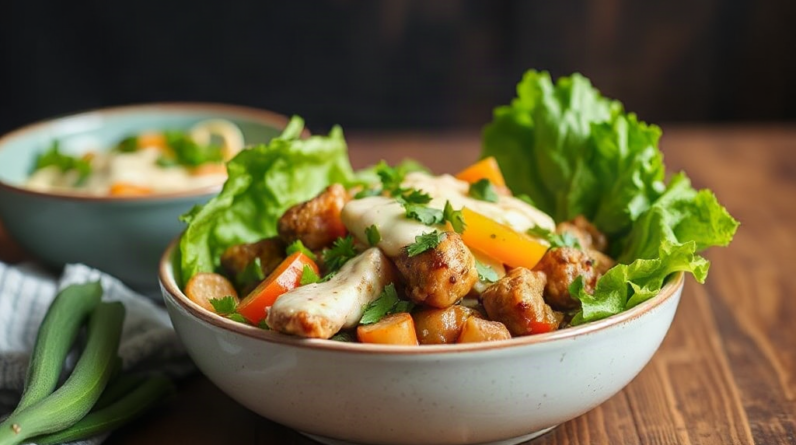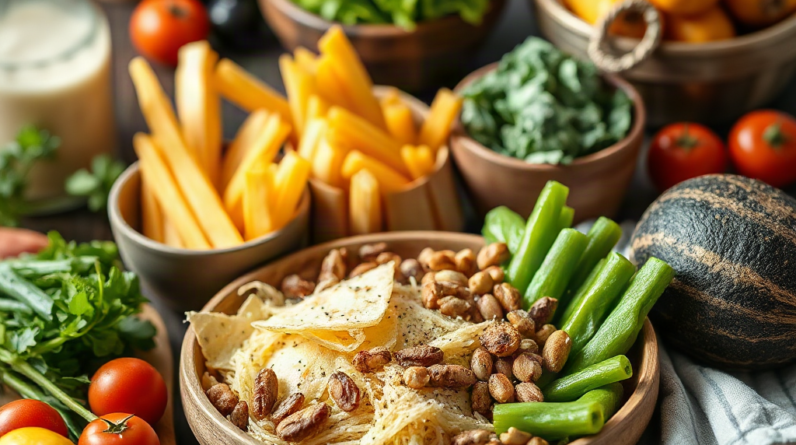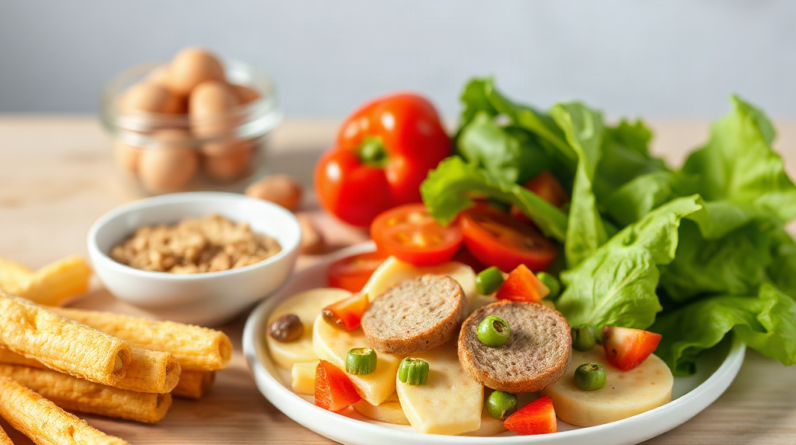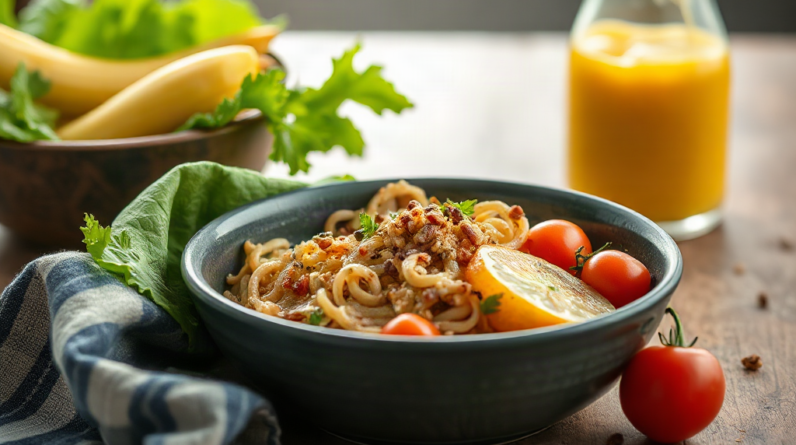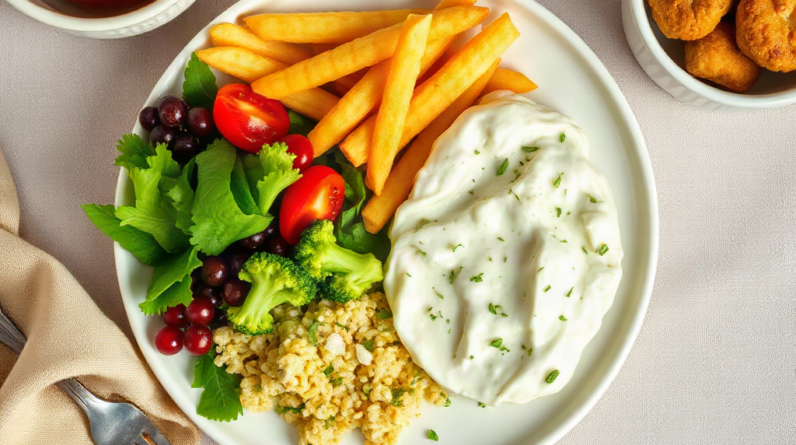
Create a healthy grocery list by turning your weekly meals into a 7-part shopping checklist covering vegetables, fruit, protein, whole grains, dairy or alternatives, cooking staples, and planned extras. Check the refrigerator, freezer, and pantry first, then list realistic quantities based on how many meals you will prepare and when perishable foods will be used. Favor versatile ingredients that work across several dishes, while comparing packaged foods for added sugar, sodium, saturated fat, and serving size. A useful grocery list should fit your budget, schedule, storage space, dietary needs, and actual cooking habits rather than represent an idealized menu you are unlikely to follow.
Build the List From Meals You Will Actually Eat
A reliable grocery list begins with a short review of the coming week, not with a catalog of foods that seem virtuous. Count the breakfasts, lunches, dinners, and snacks you expect to eat at home. Mark evenings affected by work, appointments, travel, takeout, or leftovers. This converts a vague intention to eat well into a realistic estimate of what needs to enter the cart.
Next, inspect the refrigerator, freezer, and pantry. Look for ingredients that need to be used soon, including open salad greens, ripe fruit, cooked grains, yogurt, thawed meat, and partial containers of broth. Build one or two meals around them before adding more food. If half a bag of spinach and cooked rice are already available, a stir-fry may require only tofu or chicken, frozen vegetables, and a sauce ingredient. That approach reduces both spending and food waste.
Plan meal components rather than demanding seven unrelated recipes. A practical week might use roasted chicken in a grain bowl, a wrap, and a vegetable soup. Brown rice could accompany the bowl and later become fried rice. Repeating components saves preparation time without forcing every meal to taste the same. Sauces, herbs, textures, and cooking methods can create variety from a smaller group of groceries.
Quantities deserve as much attention as food choices. Buying five types of fresh produce is not helpful if a busy household can prepare only two before they spoil. Mix short-lived items, such as berries and leafy greens, with longer-lasting choices, such as apples, cabbage, carrots, frozen peas, and canned tomatoes. Use delicate foods early in the week and reserve durable or frozen ingredients for later.
A common failure mode is planning for an imaginary version of the week in which every meal is cooked from scratch. A better healthy grocery list includes backup meals for low-energy days. Eggs with whole-grain toast, canned bean tacos, frozen vegetables with microwaveable brown rice, or soup paired with fruit can be more useful than ambitious ingredients that remain untouched. The list is working when most purchases have an assigned use and little edible food is discarded.
Use a 7-Part Shopping Checklist
Organizing purchases into seven food groups makes omissions easier to notice while leaving room for personal preferences. The categories are vegetables, fruit, protein foods, whole grains or other high-fiber starches, dairy or alternatives, cooking staples, and planned extras. They are not rigid quotas, and they do not require every food to carry a health claim.
- Vegetables: Choose fresh, frozen, or canned options for meals and easy sides.
- Fruit: Select varieties that suit breakfasts, snacks, or desserts.
- Protein foods: Consider beans, lentils, eggs, fish, poultry, tofu, nuts, seeds, or lean meats.
- Whole grains and high-fiber starches: Examples include oats, brown rice, whole-grain bread, quinoa, potatoes, and corn tortillas.
- Dairy or alternatives: Add milk, yogurt, cheese, or fortified plant-based products when they fit your needs.
- Cooking staples: Include oils, herbs, spices, garlic, onions, broth, and condiments needed for the planned dishes.
- Planned extras: Choose enjoyable snacks or desserts intentionally rather than treating them as accidental purchases.
Within each category, prioritize foods that have a clear job. Spinach might be intended for omelets and pasta; canned chickpeas for salads and curry; plain yogurt for breakfast and a savory sauce. Versatility is especially valuable for one-person households, small kitchens, and shoppers with limited time. It reduces the number of specialized ingredients that may be used once and forgotten.
Fresh food is not automatically more nutritious or practical than frozen or canned food. Frozen vegetables and fruit are convenient, have long storage lives, and allow partial use. Canned beans, fish, tomatoes, and vegetables can shorten preparation; draining and rinsing certain canned products can reduce some of their sodium. Fresh produce may offer preferred texture and variety, but buying too much creates a spoilage risk. The better format is the one you can store, prepare, and eat consistently.
Dietary restrictions change the details, not the basic method. Someone avoiding dairy might compare fortified soy beverages with other alternatives for protein, calcium, vitamin D, added sugar, and intended use. A person managing a medical condition may need individualized advice from a registered dietitian or qualified clinician; a shopping checklist should not be treated as disease treatment.
The most useful sign that this system is working is meal coverage: there are ingredients for complete meals, quick options are available, and perishables have a scheduled use. If the cart contains many isolated “healthy” products but no workable breakfasts or dinners, return to the meal outline and remove items without a purpose.
Choose Packaged Foods With Useful Label Checks
Packaged foods can support a balanced shopping plan when they solve a genuine time, storage, or access problem. The useful distinction is not simply packaged versus unpackaged. Plain oats, frozen vegetables, canned beans, whole-grain bread, and unsweetened yogurt are packaged, yet each can supply convenient meal components. The more relevant question is whether a product offers useful nutrition and fits how it will be eaten.
Start with the serving size because every listed nutrient refers to that amount. Compare similar products using equivalent serving sizes rather than relying on front-label language. Then inspect nutrients relevant to the product and your needs. Added sugars can matter when comparing cereals, flavored yogurt, drinks, and snack bars. Sodium is often useful to compare across soups, sauces, deli products, frozen meals, and canned foods. Saturated fat may help distinguish products within categories such as frozen entrées or desserts.
Fiber and protein can indicate whether a food is likely to contribute more staying power, but a single number should not determine the purchase. A cereal with whole grains, useful fiber, modest added sugar, and a price you can sustain may be a better household choice than an expensive specialty product. Likewise, a snack does not need to function as a nutritionally complete meal. Pairing crackers with hummus or fruit with yogurt may create a more satisfying combination than searching for one product that claims to do everything.
Ingredient lists provide context, but long does not automatically mean harmful and short does not automatically mean nutritious. Fortified foods may list vitamins and minerals; bread can contain several functional ingredients. Focus on characteristics that affect the way you use the food. If whole grains are a priority, look for a whole grain among the leading ingredients. If an allergy is involved, follow the relevant allergen information carefully rather than depending on marketing claims.
Comparing every label in the store can make shopping exhausting. Use a targeted approach: examine products you buy frequently, compare two or three realistic alternatives, and save the preferred choice in your recurring list. For an efficient healthy grocery list, note specifics such as “plain yogurt” or “lower-sodium beans” only when that distinction matters. A warning sign is collecting expensive products because their packages imply wellness even though they do not fit meals, preferences, or budget.
Control Cost, Waste, and Impulse Purchases
Budget discipline works best when the list separates priorities from flexible choices. Protect the ingredients needed for core meals first, then adjust brands, produce varieties, and optional snacks according to prices. Unit pricing can clarify value when package sizes differ, although the largest package is economical only if the food will be eaten before quality declines.
Good Health Solution is Easier Than Most People Think! Take a Look for Yourself!
Use store promotions after planning meals, not as the entire basis of the plan. A discount on fish may justify replacing another protein, but three discounted containers of berries are not a bargain if two spoil. Store brands are often worth comparing with national brands for staples such as oats, canned vegetables, rice, frozen produce, milk, and yogurt. Nutrition labels and ingredient lists reveal whether the products are meaningfully different.
A useful list can be divided into “must buy” and “buy if needed or well priced.” Must-buy items complete planned meals: tortillas, beans, cabbage, eggs, and fruit, for example. Flexible items might include a second fruit, a preferred sparkling water, or extra nuts. This order provides a clear stopping point when the cart approaches the spending limit.
Shopping by store section reduces backtracking and makes impulse purchases easier to notice. Group produce together, followed by proteins, refrigerated foods, frozen foods, and shelf-stable items. Online shoppers can use the same structure while checking the cart total before checkout. Removing one unused duplicate or unplanned promotional item is often less disruptive than cutting a central dinner ingredient.
Convenience carries a tradeoff rather than an automatic penalty. Precut vegetables, bagged salad, cooked grains, or a rotisserie chicken may cost more per unit, but they can be worthwhile when they prevent takeout or unused raw ingredients. Conversely, whole vegetables, dried beans, and larger grain packages may suit someone with time, equipment, and freezer space. Choose convenience selectively where it removes the specific barrier that usually disrupts your meals.
Review results after the week ends. Note which foods ran out, which spoiled, which meals produced useful leftovers, and which ingredients were repeatedly skipped. Adjust the next list rather than treating the first version as permanent. Frequent emergency purchases indicate underbuying or weak meal coverage; persistent leftovers and waste suggest excessive quantities or unrealistic cooking plans. Over several shopping cycles, this feedback turns how to create a healthy grocery list from a one-time exercise into a household system based on actual use.
Frequently Asked Questions
What should be on a basic healthy grocery list?
Include vegetables, fruit, protein foods, whole grains or fiber-rich starches, dairy or fortified alternatives, and the staples needed to turn them into meals. Add a few planned snacks or desserts that fit your preferences and budget.
How many meals should I plan before shopping?
Plan only the meals you realistically expect to eat at home. Account for leftovers, restaurant meals, appointments, and one or two quick backup options so you do not overbuy ingredients.
Are frozen and canned foods healthy choices?
They can be practical, nutritious choices. Compare added sugar and sodium when relevant, choose products that fit planned meals, and consider rinsing canned beans or vegetables when appropriate.
How can I make a healthy grocery list on a tight budget?
Build meals around affordable staples such as oats, beans, lentils, eggs, rice, potatoes, seasonal produce, and frozen vegetables. Compare unit prices, use store brands, and buy larger packages only when you can use or freeze the contents.
Should snacks be included on the grocery list?
Yes. Planned snacks reduce reliance on random purchases. Useful combinations include fruit and yogurt, vegetables and hummus, or whole-grain crackers and cheese, but portions and choices should reflect appetite and dietary needs.
Further Reading
Authoritative Sources
- What Is MyPlate?
myplate.govThe USDA resource explains the major food groups and offers a useful reference for balancing grocery categories
- How to Understand and Use the Nutrition Facts Label
fda.govThe FDA explains serving sizes, nutrients, and label percentages for comparing packaged groceries
- FoodKeeper App
foodsafety.govThis government resource provides storage guidance that can help shoppers plan quantities and reduce avoidable waste
- Healthy Eating on a Budget
myplate.govThe USDA offers practical ideas for planning purchases, comparing costs, and using groceries efficiently
Conclusion
A strong grocery list reflects the week that is likely to happen, including rushed evenings, leftovers, limited storage, and budget boundaries. Begin with meals already scheduled, use existing ingredients first, and purchase perishable foods in quantities that match your cooking capacity. Cover the seven practical categories, but give every item a role rather than chasing a perfect-looking cart.
At the next shopping cycle, review what was eaten, wasted, or purchased unexpectedly. Keep the versatile staples that made meals easier, reduce quantities that proved excessive, and add a backup meal where the plan broke down. That simple feedback process produces a list that becomes more affordable, usable, and nutritionally varied over time without requiring every choice to be fresh, homemade, or ideal.
 Good Health Solution is Easier Than Most People Think! Take a Look for Yourself!