A healthy liver diet centers on foods and meal choices that emphasize vegetables, whole fruits, legumes, whole grains, fish, and unsaturated fats while limiting alcohol, sugary drinks, refined carbohydrates, and heavily processed meat. Fiber-rich meals can improve fullness and make weight management easier, while replacing saturated fat with olive oil, nuts, seeds, or fish may support a healthier metabolic profile. Portion size still matters because excess energy intake can contribute to fat accumulation in the liver. People with diagnosed liver disease should confirm alcohol limits, protein needs, sodium targets, and supplement use with their clinician because appropriate choices vary by condition.
What Makes a Meal Liver-Friendly?
A liver-friendly meal is usually recognizable by its overall structure rather than one supposedly protective ingredient. It supplies fiber-rich plant foods, an appropriate amount of protein, and mostly unsaturated fat without concentrating excessive calories, added sugar, or alcohol. That combination matters because the liver processes nutrients arriving from the digestive tract and plays a central role in managing fats and glucose.
Energy balance deserves attention, particularly for someone who has been advised to reduce excess body weight or address metabolic dysfunction-associated steatotic liver disease, often abbreviated MASLD. A meal made entirely from nutritious ingredients can still be disproportionately high in calories when portions of oil, cheese, nuts, dressings, or refined grain products are large. Conversely, severe restriction is not a sound shortcut. Sustainable portions and gradual dietary changes are generally more workable than a detox regimen or a narrow list of permitted foods.
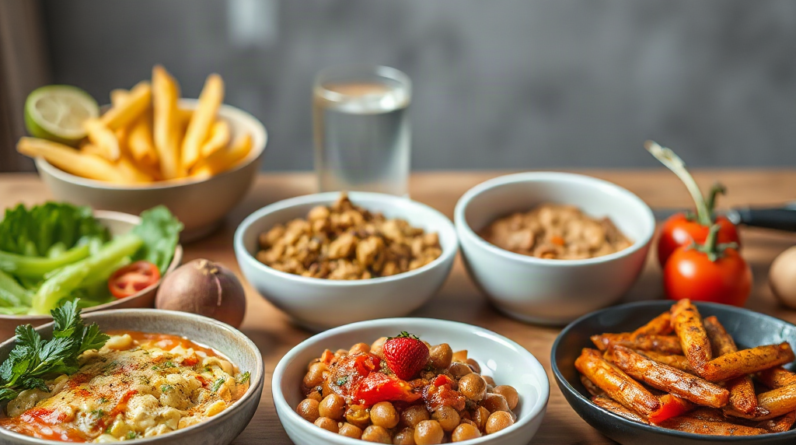
A practical plate might contain roasted vegetables, a modest serving of brown rice, and baked fish or lentils, finished with a small amount of olive oil. Compared with fried fish, a large portion of white rice, and a sweetened drink, the first plate provides more fiber and less added sugar and saturated fat. The difference comes from the complete meal pattern, not from brown rice or fish acting as a treatment.
Three priorities help when evaluating an everyday meal:
- Food quality: Favor minimally processed plants and protein sources over refined snacks, processed meat, and sugar-sweetened beverages.
- Portion fit: Match the quantity to appetite, activity, health goals, and any advice from a qualified clinician or dietitian.
- Repeatability: Choose meals that can be prepared, afforded, and enjoyed regularly rather than following a restrictive plan for a few days.
A common mistake is treating “healthy” as permission for unlimited portions. Nuts, avocado, and olive oil provide useful unsaturated fats, but they are energy-dense. Measure oil when cooking, portion nuts rather than eating from a large container, and let vegetables occupy substantial plate space. A suitable pattern should leave meals satisfying without regularly producing uncomfortable fullness or relying on constant grazing.
Foods to Build Liver-Friendly Meals Around
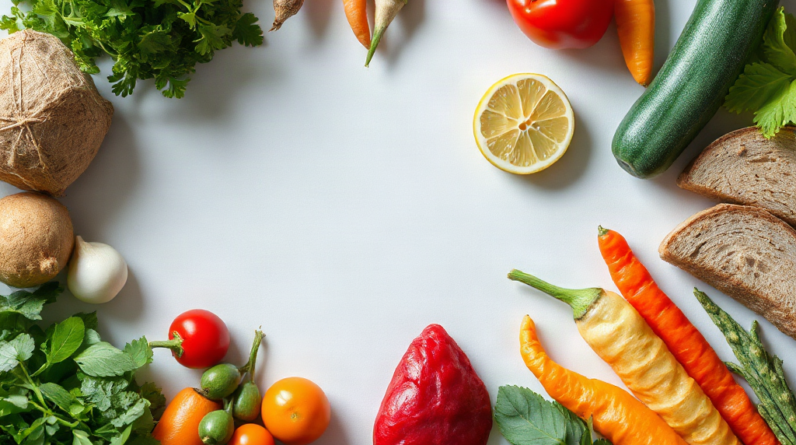
Plants should provide much of the volume and variety in routine meals. Non-starchy vegetables such as leafy greens, broccoli, peppers, mushrooms, tomatoes, and cauliflower add fiber and micronutrients without requiring elaborate preparation. Frozen vegetables without heavy sauces are nutritionally practical and may cost less or last longer than fresh produce. Whole fruit is generally a more filling choice than juice because its intact structure retains fiber and slows consumption.
Beans, lentils, chickpeas, oats, barley, brown rice, and whole-grain breads contribute fiber and can replace some refined carbohydrates or processed meat. The useful comparison is not “carbohydrates versus no carbohydrates,” but less-refined sources versus products dominated by white flour, added sugar, or oversized portions. Someone accustomed to white rice could begin with a smaller serving alongside beans and vegetables, or mix brown and white rice while adjusting to the texture.
Protein choices can include fish, skinless poultry, eggs, tofu, tempeh, beans, lentils, and plain yogurt when tolerated. Fish, especially varieties that supply omega-3 fats, can replace meals based on bacon, sausage, or fatty cuts of meat. This substitution changes the type of fat in the meal and often reduces processed-meat intake. It should not be interpreted as evidence that fish reverses liver disease by itself.
Unsaturated fats from olive oil, nuts, seeds, avocado, and fish are generally preferable to frequent large amounts of butter, fatty meat, shortening, or coconut oil. The benefit depends on replacement: pouring olive oil onto an unchanged high-calorie meal merely adds energy. Using it instead of butter or a creamy dressing is the more meaningful move.
For a concrete lunch, combine chickpeas, chopped cucumber, tomatoes, greens, and a whole grain with lemon and a measured spoonful of olive oil. If canned beans are the affordable option, draining and rinsing them can reduce sodium. For breakfast, plain oatmeal with berries and walnuts offers a less sugary alternative to sweet cereal and juice. Signs that these choices are working practically include steadier meal satisfaction, less dependence on sweet drinks or snack foods, and a pattern that remains manageable during busy weeks. If meals feel bland, too expensive, or labor-intensive, use herbs, frozen produce, canned fish, and batch-cooked grains rather than abandoning the pattern.
Which Foods and Drinks Deserve Firmer Limits?
Alcohol deserves the most individualized decision because liver risk varies with a person’s condition, medications, drinking pattern, and medical history. Anyone with liver disease, abnormal liver tests, a history of alcohol-related harm, or instructions to avoid alcohol should not rely on general population guidance. A clinician can advise whether abstinence is appropriate. Replacing alcohol with sugary mocktails does not solve every dietary concern, so unsweetened sparkling water, tea, or water with citrus may be more useful defaults.
Sugar-sweetened beverages make it easy to consume substantial sugar without the fullness provided by solid food. Soda, sweet tea, energy drinks, sweetened coffee beverages, and frequent juice can therefore work against calorie and metabolic goals. A gradual reduction may be more sustainable than an abrupt rule: order a smaller size, request less syrup, dilute juice, or alternate sweetened drinks with water. Whole fruit is not equivalent to soda simply because both contain sugar; fruit also brings fiber, water, and a structure that changes how it is eaten.
Heavily processed meats, deep-fried foods, pastries, and many fast-food meals can combine saturated fat, refined starch, sodium, and large portions. They do not need to be labeled forbidden for every person, but frequency and context matter. A weekly burger eaten with vegetables and water is different from a daily pattern of a double burger, fries, and soda. The useful response is to change the recurring order rather than expect an occasional “cleanse” to offset it.
Packaged foods also require label awareness. Compare similar products for added sugars, saturated fat, sodium, and serving size. Granola bars, flavored yogurt, bottled smoothies, and sweetened oatmeal may look health-oriented while supplying considerable added sugar. “Natural” on a package does not establish that a food is appropriate for liver health.
Supplements and concentrated herbal products need particular caution. “Liver detox” does not guarantee safety, and some products may interact with medicines or harm the liver. Do not replace medical evaluation with teas, powders, or high-dose nutrients. Warning signs that a diet strategy is failing include repeated binge-restrict cycles, unintended weight loss, persistent weakness, or using supplements to compensate for a poor eating pattern. Those situations call for reassessment rather than tighter self-imposed rules.
Building Balanced Daily Meals
A repeatable meal template reduces daily decisions without demanding a rigid menu. Begin with vegetables or fruit, add a protein source, select a high-fiber carbohydrate if desired, and include a modest amount of unsaturated fat. Portion needs differ, so hunger, activity, medical goals, and professional advice should guide quantities rather than a universal plate prescription.
Breakfast could be plain yogurt with berries, oats, and seeds; eggs with sautéed vegetables and whole-grain toast; or oatmeal with fruit and nuts. Lunch might pair lentil soup with a salad and whole-grain bread. Dinner could combine baked salmon, roasted broccoli, and barley. A budget version might use canned salmon, frozen broccoli, and brown rice, while a plant-based version could substitute seasoned beans or tofu. The structure stays useful even when preferences, culture, and cost change the ingredients.
Use this compact preparation sequence for a typical week:
Good Health Solution is Easier Than Most People Think! Take a Look for Yourself!
- Choose two proteins: For example, lentils and chicken, or tofu and canned fish.
- Prepare one or two grains: Cook enough oats, barley, brown rice, or another familiar whole grain for several meals.
- Secure convenient produce: Combine fresh items with frozen or low-sodium canned vegetables to reduce waste.
- Set beverage defaults: Keep water, unsweetened tea, or plain sparkling water easier to reach than sweetened drinks.
- Plan one flexible meal: Use leftovers in a grain bowl, soup, omelet, or whole-grain wrap.
Snacks are optional rather than mandatory. When genuine hunger appears between meals, fruit with a small portion of nuts, vegetables with hummus, or plain yogurt may provide more staying power than crackers or sweets alone. If evening snacking happens from habit rather than hunger, improving dinner balance or changing the food environment may be more effective than searching for a special liver-friendly snack.
Perfection is a poor measure of progress. Look for changes in the recurring pattern: vegetables appearing at more meals, fewer sweet drinks, better-planned portions, and less dependence on takeout. Clinical signs of liver improvement cannot be judged by how someone feels after a week of eating differently. Follow-up measurements and medical interpretation are needed when liver disease or abnormal test results are involved. Meal planning is supporting behavior, not a diagnostic tool.
When Does Liver Disease Change Diet Needs?
Diagnosed liver disease can make generic healthy-eating advice incomplete. Early metabolic liver concerns may lead a care team to emphasize sustainable weight management, physical activity, and control of related conditions. Advanced liver disease may involve different priorities, including adequate energy and protein intake, sodium management, meal timing, or prevention of muscle loss. Those decisions require individualized assessment rather than copying another person’s restrictions.
Protein illustrates why self-prescribing a “liver diet” can go wrong. Some people unnecessarily cut protein after reading outdated or condition-specific advice, yet inadequate intake may contribute to loss of muscle and poor nutrition. Others use high-dose protein powders without checking ingredients, total intake, or whether the product fits their care plan. Food-based protein distributed across meals may be practical, but the amount and timing should be discussed with a clinician or registered dietitian when cirrhosis or other significant disease is present.
Sodium is another context-dependent issue. Someone advised to limit sodium may need to pay close attention to restaurant meals, deli meat, instant noodles, sauces, canned soups, and seasoning blends. Merely removing the salt shaker may have limited effect if most sodium comes from packaged and restaurant food. At the same time, aggressive restriction without guidance can make meals unappealing and reduce intake in a person already struggling to eat.
Seek medical advice promptly for jaundice, a swollen abdomen, vomiting blood, black stools, confusion, marked sleepiness, or rapid deterioration. These are not problems to manage by changing breakfast or taking a supplement. Persistent nausea, unintended weight loss, poor appetite, or difficulty maintaining meals also warrants professional attention.
Bring a medication and supplement list plus a short food record to an appointment. Ask specifically about alcohol, sodium, protein, supplements, and whether weight change is advisable. This gives the clinician or dietitian more useful information than asking for a list of “good” and “bad” foods. The goal is a safe eating pattern matched to disease stage, symptoms, laboratory findings, cultural preferences, and available resources.
Conclusion
The strongest everyday approach is to improve the pattern that appears most often: more vegetables, legumes, whole fruit, intact grains, suitable protein, and unsaturated fats; fewer sweetened drinks, heavily processed meats, oversized portions, and alcohol when it is unsafe. Start with the change that affects the most meals, such as replacing soda, adding vegetables to dinner, or preparing two dependable lunches at home.
Judge progress by whether the pattern remains affordable, satisfying, and workable over time—not by the promises of a detox product or a few unusually restrictive days. People with abnormal liver tests or diagnosed disease should take their food, alcohol, medication, and supplement questions to their care team. Individual guidance becomes especially important when appetite, weight, fluid retention, sodium, or protein needs are changing.
Frequently Asked Questions
What is a good breakfast for liver health?
Oatmeal with berries and nuts, plain yogurt with fruit and seeds, or eggs with vegetables and whole-grain toast are balanced options. Choose portions that fit your needs and limit heavily sweetened cereals, pastries, and sugary drinks.
Is coffee good for the liver?
Research has associated coffee consumption with some favorable liver outcomes, but it is not a treatment. Avoid turning it into a high-sugar drink, and ask a clinician about caffeine if you are pregnant, sensitive to it, or managing another condition.
Are eggs acceptable in a healthy liver diet?
Eggs can fit into a balanced eating pattern as a source of protein and nutrients. Preparation and the full meal matter: eggs with vegetables and whole-grain toast differ from eggs routinely served with processed meat and fried potatoes.
Should fruit be avoided because it contains sugar?
Whole fruit generally fits well because it contains fiber and water and is eaten more slowly than juice or soda. Individual carbohydrate needs may differ for people managing diabetes or other medical conditions.
Can a liver detox diet reverse liver damage?
No detox food or short cleanse should be assumed to reverse liver damage. Some supplements marketed for detoxification may be harmful. Diagnosis, treatment, and follow-up belong with a qualified medical professional.
Further Reading
Authoritative Sources
- Eating, Diet, and Nutrition for NAFLD and NASH
niddk.nih.govThe National Institute of Diabetes and Digestive and Kidney Diseases explains dietary and weight-management considerations for fatty liver disease
- Eating, Diet, and Nutrition for Cirrhosis
niddk.nih.govThis resource outlines why cirrhosis may require individualized attention to nutrition, meals, and sodium
- MyPlate
myplate.govUSDA meal-planning resources provide practical ways to combine produce, grains, and protein in balanced meals
- About Alcohol Use
cdc.govThe CDC provides context on alcohol use and health risks for readers evaluating beverage choices
 Good Health Solution is Easier Than Most People Think! Take a Look for Yourself!