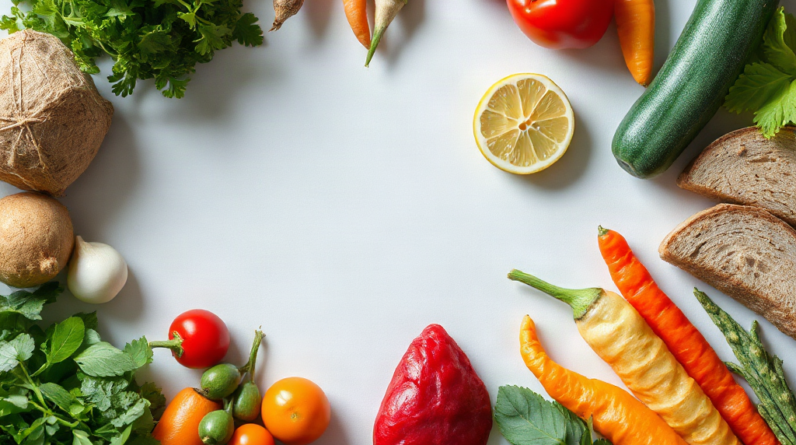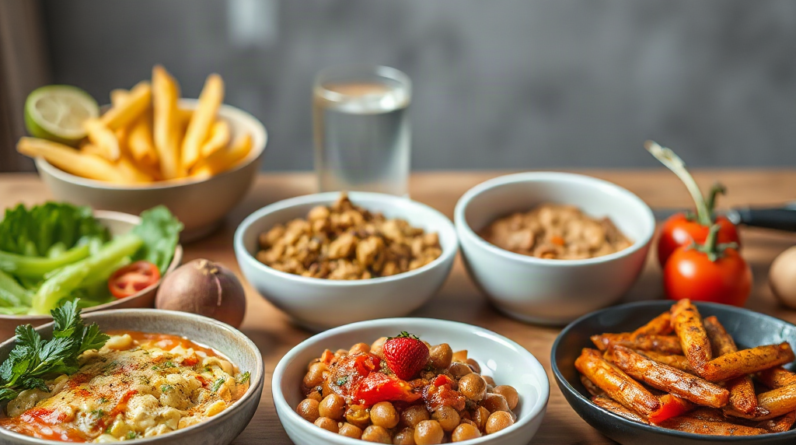
Gut healthy foods for everyday meals work best when fiber-rich plants and fermented foods are added gradually to familiar breakfasts, lunches, and dinners. Oats, beans, lentils, vegetables, fruit, nuts, seeds, yogurt with live cultures, kefir, and fermented vegetables provide fermentable carbohydrates, varied plant compounds, or beneficial microbes. A practical meal pairs one fiber-rich staple with produce and a protein source rather than relying on supplements or a single “superfood.” Increase fiber slowly, drink enough fluid, and adjust portions if bloating or discomfort persists, because tolerance varies with digestive conditions, usual intake, and the specific food.
Which Fiber-Rich Foods Belong in Daily Meals?
Plant variety matters because different foods deliver different fibers, resistant starches, and polyphenols to the digestive tract. Some of these compounds reach the colon, where resident microbes can ferment them. The resulting metabolites may contribute to the intestinal environment, although individual responses differ and no single ingredient determines the condition of the gut microbiome.
Useful everyday choices include oats, barley, beans, lentils, chickpeas, whole-grain bread, brown rice, vegetables, fruit, nuts, and seeds. Onions, garlic, asparagus, bananas, and legumes contain fermentable carbohydrates that certain gut microbes use readily. Cooked and cooled potatoes or rice contain more resistant starch than the same foods served immediately after cooking, though reheating and preparation methods influence the final amount. These distinctions are less important than consistently eating a varied selection of minimally processed plant foods.
A realistic approach is to improve foods already on the menu. Stir oats, berries, and ground flaxseed into breakfast; add chickpeas to a salad; mix lentils into ground meat for tacos; or serve roasted vegetables beside fish, tofu, or chicken. Canned beans are a practical option when time is limited. Draining and rinsing them reduces the packing liquid and may make them easier for some people to tolerate. Frozen vegetables and fruit are also useful because they reduce spoilage without requiring daily preparation.
The common mistake is increasing several high-fiber foods at once. Someone moving from a low-fiber pattern to bran cereal, a large bean salad, raw broccoli, and multiple pieces of fruit in one day may experience gas or abdominal pressure. That reaction does not automatically mean every food should be abandoned. Start by changing one meal, use modest portions, and allow digestion time to adjust. Fluids also matter because fiber binds water; a sharp fiber increase without adequate drinking can worsen constipation for some people.
Variety should be judged across the week rather than at every plate. Rotate oats with whole-grain toast, lentils with beans, and berries with apples or citrus. A routine that includes affordable, tolerated plants repeatedly is more useful than an elaborate menu that cannot be sustained. People with diagnosed digestive disorders or prescribed dietary restrictions may need individualized advice before deliberately increasing fermentable fiber.
How Do Fermented Foods Fit Into a Balanced Diet?
Fermented foods can add live microorganisms and distinctive flavors, but the word “fermented” does not guarantee that a product contains live cultures when eaten. Heat treatment can reduce or remove living microbes, while pickling with vinegar is not the same process as microbial fermentation. Labels that mention live or active cultures provide more useful information than front-of-package wellness language.
Plain yogurt and kefir are accessible choices for many households. They can be paired with fruit, oats, nuts, or seeds so that a meal includes both cultured food and plant fiber. Fermented vegetables such as refrigerated sauerkraut or kimchi can be used as condiments on grain bowls, eggs, sandwiches, or baked potatoes. Tempeh offers a fermented soy protein that works in stir-fries and wraps. Portion size need not be large; a small serving that complements a meal is often more practical than treating fermentation as the meal’s main purpose.
Products differ substantially. Flavored yogurts and sweetened kefir may contain considerable added sugar, while some fermented vegetables are high in sodium. Choosing plain cultured dairy and adding fresh fruit gives the eater more control over sweetness. People limiting sodium can compare labels, use fermented vegetables in small amounts, and rely more heavily on unsalted vegetables for the bulk of the plate. Dairy-free cultured products may be appropriate, but protein and added-sugar content vary, so they are not nutritionally interchangeable with dairy yogurt.
A frequent misconception is that fermented food acts as a treatment or permanently “repopulates” the gut. Microbial strains vary among products, and their effects are not uniform. Fermented foods can be part of a nourishing pattern, but they should not replace medical care, prescribed therapy, or a broader intake of vegetables, legumes, fruit, and whole grains.
Choose fermented foods according to tolerance and meal fit. Lactose-sensitive people may tolerate some yogurt better than milk, but that is not universal. Anyone with a milk allergy must still avoid dairy-based yogurt and kefir. People who notice headaches, flushing, itching, or persistent digestive symptoms after fermented foods should stop assuming that more is better and discuss the pattern with a qualified clinician.
Building Gut-Friendly Breakfasts, Lunches, and Dinners
A workable gut-conscious meal combines a tolerated fiber source, colorful produce, and adequate protein. This structure keeps the focus on complete meals rather than isolated ingredients. Fat from nuts, seeds, olive oil, avocado, or fish can add satisfaction, while herbs, spices, and fermented condiments make plant-forward meals more appealing.
The easiest method is substitution rather than total menu replacement. Replace part of a refined grain with a whole grain, add a vegetable to a familiar entrée, or swap some meat for beans or lentils. Mixed approaches often improve acceptance: half white and half brown rice, for example, may suit a household better than an abrupt switch. Likewise, adding lentils to a meat sauce preserves its familiar texture while increasing plant content.
| Meal | Practical Combination | Simple Adjustment |
|---|---|---|
| Breakfast | Oatmeal with berries, walnuts, and plain yogurt | Begin with a small amount of flaxseed if fiber intake is low |
| Lunch | Whole-grain wrap with hummus, chicken or tofu, and vegetables | Use cooked vegetables if raw produce causes discomfort |
| Dinner | Salmon, tempeh, or chicken with barley and roasted vegetables | Mix barley with a familiar grain during the transition |
| Snack | Apple with peanut butter or kefir with fruit | Choose an amount that fits hunger rather than adding food automatically |
Meal preparation can remove the main barrier. Cook one pot of lentils or grain, roast a tray of vegetables, and portion nuts or seeds for several days. Keep canned beans, oats, frozen produce, and whole-grain bread available for meals that must be assembled quickly. Budget choices such as dried lentils, cabbage, carrots, oats, bananas, and store-brand frozen vegetables provide useful fiber without specialty products.
Watch for the mistake of stacking every supposedly beneficial item into one oversized bowl. More ingredients do not necessarily produce a better digestive response, especially when total fiber rises beyond what the person usually eats. A sign that the approach is working is not an instant change in the microbiome; it is a repeatable meal pattern with comfortable digestion, manageable bowel habits, adequate energy, and foods the household will continue eating.
Good Health Solution is Easier Than Most People Think! Take a Look for Yourself!
If a meal consistently causes symptoms, simplify it before blaming the entire food category. Test a smaller bean portion, choose cooked rather than raw vegetables, or try oats instead of a dense bran product. Changing one variable at a time makes the result easier to interpret. Persistent symptoms, unexplained weight change, blood in the stool, severe pain, fever, or ongoing diarrhea or constipation warrant professional evaluation rather than continued dietary experimentation.
What If Gut-Healthy Foods Cause Discomfort?
Gas and temporary fullness can occur when fermentable carbohydrates increase faster than the digestive system is accustomed to handling. Portion size, food preparation, meal composition, constipation, and an underlying condition can all affect the response. Discomfort is therefore a reason to adjust and observe, not proof that fiber or fermented foods are universally unsuitable.
Begin by checking the size and speed of the change. A half-cup of beans added to several meals may be too much for someone who rarely eats legumes. Try a few spoonfuls in one meal, maintain that amount for several days if comfortable, and increase only when tolerated. Rinsed canned legumes, well-cooked lentils, smooth hummus, and cooked vegetables may be gentler starting points than large servings of whole beans or raw cruciferous vegetables.
Food texture and preparation can alter tolerance without removing nutritional value. Soups, stews, mashed beans, peeled fruit, and roasted vegetables are alternatives to dense salads. Spreading fiber across the day may feel better than consuming most of it at dinner. Regular fluid intake and movement may also support comfortable bowel habits, although neither should be presented as a cure for persistent digestive symptoms.
Use a short, focused check rather than a highly restrictive elimination diet:
- Record the specific meal: note the food, approximate portion, preparation, and symptom timing.
- Change one feature: reduce the portion or switch from raw to cooked while keeping the rest of the meal similar.
- Assess repetition: a single uncomfortable day may reflect several influences, while a consistent pattern is more informative.
- Seek appropriate help: recurring or severe symptoms deserve assessment by a qualified healthcare professional or registered dietitian.
The major failure mode is removing broad groups of foods based on an isolated reaction. Unsupervised restriction can narrow nutrient intake and make meals unnecessarily difficult. A low-FODMAP approach, for example, is a structured clinical tool rather than a permanent list of “bad” foods; it is best used with professional guidance when medically appropriate. Supplements are not an automatic workaround either. Fiber powders and probiotic products vary in composition and may cause symptoms of their own.
Progress should be measured by tolerance, regularity, dietary range, and practicality. If portions can gradually increase without worsening symptoms, the adjustment may be working. If pain, diarrhea, constipation, or food avoidance escalates, stop pushing the plan and obtain individualized advice.
Frequently Asked Questions
What is an easy gut-friendly breakfast?
Oatmeal topped with fruit, nuts, and plain yogurt combines whole-grain fiber, plant compounds, protein, and optional live cultures. Use smaller portions or cooked fruit if a high-fiber breakfast feels uncomfortable.
Are canned beans useful for gut-conscious meals?
Yes. Canned beans are convenient sources of fiber and plant protein. Drain and rinse them, begin with a modest serving, and add them to soups, salads, grain bowls, or tacos.
Does every meal need a fermented food?
No. Fermented foods are optional components of a varied diet, not a requirement at every meal. Fiber-rich plants and overall dietary variety remain important even when yogurt, kefir, or fermented vegetables are included.
Are raw vegetables better for the gut than cooked vegetables?
Not necessarily. Both can contribute useful fiber and nutrients. Cooking often softens texture and may improve tolerance, making roasted, steamed, or stewed vegetables a practical choice for sensitive digestion.
When should digestive symptoms be medically assessed?
Seek professional care for severe or persistent pain, blood in the stool, fever, unexplained weight change, ongoing vomiting, or prolonged changes in bowel habits. Dietary experimentation should not delay evaluation of concerning symptoms.
Conclusion
Prioritize repeatable meals built from varied plants, sufficient protein, and fermented foods when they suit personal preferences and tolerance. Oats, legumes, whole grains, vegetables, fruit, nuts, seeds, plain yogurt, kefir, and fermented vegetables can all fit, but none needs to appear at every meal. Improve familiar dishes one component at a time, keep convenient frozen and canned options available, and increase fiber more gradually than enthusiasm may suggest.
Digestive comfort is useful feedback. Adjust portions, preparation, and meal timing when symptoms emerge, and avoid removing broad food groups after one reaction. A sustainable pattern should expand dietary variety without creating persistent pain or anxiety around eating. When symptoms are severe, recurring, or accompanied by warning signs, pause self-directed changes and seek qualified medical or dietetic guidance.
 Good Health Solution is Easier Than Most People Think! Take a Look for Yourself!