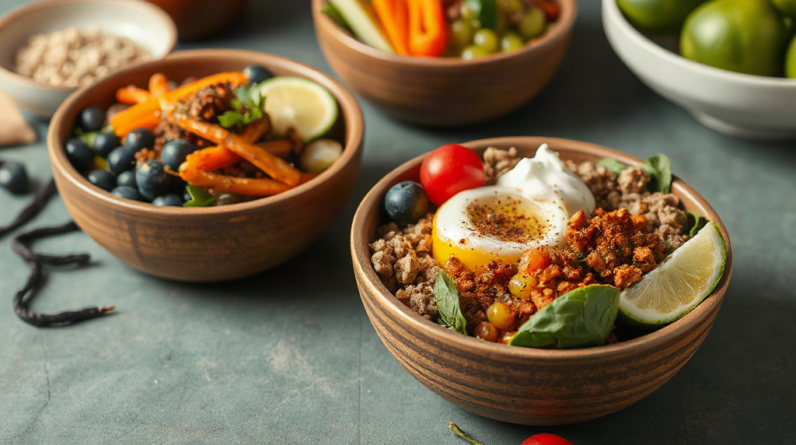
Create a balanced diet with limited ingredients by assigning each staple a nutritional role: protein, carbohydrate, produce, fat, or flavor, then combine three or four roles at each meal. Prioritize versatile foods such as eggs, beans, oats, frozen vegetables, canned fish, rice, and peanut butter rather than buying a different item for every recipe. Rotate choices when shopping so the short list still supplies varied vitamins, minerals, fiber, and protein over time. Fortified foods can close selected gaps, while a clinician or registered dietitian should assess persistent restrictions, unexplained fatigue, weight changes, allergies, or medically required diets.
Build Meals Around Nutritional Roles
A short ingredient list works better when every item has a clear job. Instead of planning around named recipes, sort available foods into four functional groups: a protein source, an energy-rich carbohydrate, a fruit or vegetable, and a source of unsaturated fat. A meal does not need a separate ingredient from every food group, but regularly combining these roles makes it easier to obtain protein, fiber, essential fats, and a useful range of micronutrients.
Protein foods include beans, lentils, eggs, yogurt, tofu, canned fish, poultry, and meat. Carbohydrate staples include oats, potatoes, rice, corn tortillas, pasta, and whole-grain bread. Fresh, frozen, or canned produce can fill the plant role; frozen broccoli and canned tomatoes remain useful when frequent shopping is impossible. Nuts, seeds, peanut butter, olive oil, avocado, and oily fish provide fats, although some protein foods already cover both roles.
Use proportions as a flexible check rather than a rigid rule. Give vegetables or fruit a substantial place when available, include enough protein to make the meal satisfying, and adjust the starch to appetite and activity. Someone doing physical work may need more rice or potatoes than a person with a smaller appetite. A bowl of rice, black beans, frozen peppers, and a spoonful of salsa is structurally stronger than plain rice because it adds protein, fiber, produce, and flavor without requiring a long shopping list.
Balance also develops across the day and week. Breakfast might be oats with peanut butter and banana, while dinner supplies vegetables and beans. Each plate does not have to be nutritionally perfect. Judging a restricted pantry meal by meal often leads to needless complexity; reviewing the pattern over several days gives a more accurate picture.
The common failure is counting variety by the number of packages rather than by nutritional coverage. Five snack products may offer less useful variety than oats, eggs, carrots, beans, and canned salmon. When deciding how to create a balanced diet with limited ingredients, identify missing roles before adding more foods. If meals contain ample starch but little protein or produce, one targeted purchase will help more than several new sauces or snack items.
Choose a Small Set of High-Value Staples
High-value ingredients are nutrient-dense, affordable in the form available to you, and adaptable to several meals. Shelf life matters as much as purchase price: a cheaper vegetable that spoils unused costs more per serving than frozen produce that can be portioned gradually. Likewise, dried beans may have the lowest unit cost, but canned beans can be the better choice when cooking fuel, time, or mobility is limited.
A workable core pantry often contains two protein options, two starches, two or three forms of produce, one fat, and several seasonings. The exact selection should reflect storage, cooking equipment, culture, allergies, and foods people will actually eat. One compact combination could be eggs, lentils, oats, potatoes, frozen mixed vegetables, apples, peanut butter, and canned tomatoes. From that set, a person can make savory oats with egg, lentil-tomato stew, potato and vegetable hash, peanut-butter oatmeal, or a warm lentil-and-potato bowl.
Choose foods that perform more than one nutritional function. Lentils supply protein, carbohydrate, fiber, iron, and folate. Eggs contribute protein, fat, choline, and vitamin B12. Canned salmon with bones can provide protein, omega-3 fats, vitamin D, and calcium. No single food creates a complete diet, but multifunctional staples reduce the number of separate items needed.
Whole or minimally processed foods usually make a stronger foundation than products built mainly from refined flour, added sugar, or salt. Processing itself is not the deciding issue, however. Frozen vegetables, canned beans, plain yogurt, fortified cereal, and canned fish are processed yet can be highly practical. Compare labels when choices exist: drain and rinse canned beans if sodium is a concern, select fruit packed in juice or water when possible, and look for cereals fortified with nutrients relevant to your eating pattern.
Use this priority order when space or money is tight:
- Protect protein coverage: keep at least one dependable protein available for most meals.
- Preserve produce access: select durable, frozen, dried, or canned options that will be eaten before spoiling.
- Add a filling staple: oats, rice, bread, pasta, or potatoes can make the plan affordable and satisfying.
- Keep a useful fat and flavor base: oil, seeds, nut butter, herbs, or spices improve energy density and acceptance.
Buying an ambitious assortment that exceeds the budget or storage capacity is a frequent mistake. A shorter list that survives until the next shopping trip is more useful than nominal variety lost to spoilage. Check what is already on hand, estimate realistic servings, and buy to fill nutritional gaps rather than duplicating the easiest category.
Turn the Same Ingredients Into Different Meals
Meal variation can come from preparation, texture, temperature, and seasoning rather than entirely new groceries. Roasted potatoes feel different from boiled potatoes; lentils can become soup, a thick filling, or a cold salad component. This approach reduces monotony while preserving the cost and simplicity of a limited pantry.
Begin with a repeatable meal formula instead of a strict menu. Combine one staple, one protein, and one or more vegetables, then choose a flavor direction. Rice, beans, and frozen vegetables could become a tomato-seasoned bowl one night and a curry-spiced skillet another. Oats can be sweet with banana and peanut butter or savory with egg and vegetables. The base remains familiar, but the eating experience changes.
Batch cooking should create components, not seven identical finished meals. Cooking a pot of lentils and a tray of vegetables gives you parts that can be served with potatoes, spooned over toast, folded into eggs, or blended into soup. Refrigerate cooked food promptly, use clean containers, and follow current government food-storage guidance for safe holding times. Freeze portions that will not be eaten soon rather than relying on smell alone to judge safety.
A two-day example shows how a small pantry can remain flexible. On day one, oatmeal with apple and peanut butter covers breakfast; lentil-tomato soup with potatoes works for lunch; eggs with mixed vegetables and toast finish the day. On day two, use savory oats with egg, a warm potato-lentil bowl, and tomato-braised vegetables with beans. Portions should change with hunger, body size, activity, and health needs rather than following a universal serving count.
Good Health Solution is Easier Than Most People Think! Take a Look for Yourself!
Seasonings deserve deliberate planning because bland repetition can make an adequate pantry difficult to sustain. Salt, pepper, garlic, vinegar, dried herbs, chili, curry powder, mustard, or lemon juice can shift a meal without adding many perishable items. People limiting sodium should rely more heavily on acids, aromatics, and salt-free spice blends, especially when canned or packaged staples already contain sodium.
The weak alternative is recipe shopping: purchasing several specialty items that serve only one dish. That may provide novelty, but it raises cost and leaves partial packages behind. A component approach is more resilient when supplies change. The same principle underlies a realistic balanced diet made from limited ingredients: maintain the nutritional structure while allowing substitutions within each role.
Check for Gaps and Adjust the Plan
A limited menu needs periodic review because repetition can leave predictable nutrient gaps. Write down what you ate for three typical days, including drinks and snacks, then look for patterns rather than calculating every nutrient. Check whether most days contain protein foods, produce, a dependable calcium source, some unsaturated fat, and enough total food to maintain energy and normal function.
Some gaps depend on which foods are excluded. A plant-only pattern needs a reliable source of vitamin B12, commonly from appropriately fortified foods or a supplement selected with qualified guidance. Diets without dairy may need calcium from fortified plant beverages, calcium-set tofu, canned fish with edible bones, or other suitable foods. People who rarely eat fish may obtain omega-3 fats from walnuts, chia, flax, or canola oil, although plant sources do not provide the same omega-3 profile as fish.
Iron deserves attention when the short list relies heavily on plant foods, particularly for people with higher needs. Lentils, beans, tofu, and fortified cereals can contribute iron. Pairing them with vitamin C-rich foods such as tomatoes, peppers, citrus, or cabbage can improve the usefulness of plant iron. This is not a treatment for iron deficiency; fatigue, weakness, shortness of breath, or a suspected deficiency warrants medical assessment rather than indiscriminate supplementation.
Signs the approach is functioning include reasonably steady energy, meals that hold hunger for an appropriate period, minimal food waste, comfortable digestion, and a shopping routine the household can afford. Signs it needs adjustment include persistent hunger, unintended weight change, worsening constipation, extreme food fatigue, or entire food categories disappearing for weeks. These signals are not diagnoses, but they are reasons to review portions, food roles, and access barriers.
Do not assume a multivitamin automatically repairs an inadequate eating pattern. Supplements cannot supply food volume, protein, fiber, or the full mixture of compounds found in foods, and unnecessary high doses may cause harm or interact with medicines. Fortified foods and supplements can be useful for specific shortfalls, but the need and dose depend on age, pregnancy, medical conditions, medications, and dietary exclusions.
Severe restriction requires individualized help. Seek a registered dietitian or clinician if allergies, swallowing problems, gastrointestinal disease, kidney disease, diabetes, pregnancy, an eating disorder, or another condition sharply limits choices. Food banks, community meal programs, and government nutrition-assistance services may help when cost or access—not meal-planning knowledge—is the primary constraint. The best plan is not the most varied plan on paper; it is the one that safely covers needs within the person’s actual resources.
Frequently Asked Questions
Can a diet be balanced if I eat many of the same foods?
Yes, provided the repeated foods collectively supply protein, adequate energy, produce, essential fats, and key micronutrients. Rotate options between shopping trips when possible, and review highly restrictive patterns for nutrients such as vitamin B12, calcium, iron, and vitamin D.
What are the most versatile foods for a small grocery list?
Beans or lentils, eggs or tofu, oats, rice or potatoes, frozen vegetables, durable fruit, canned tomatoes, and nuts or seeds can cover many meal roles. The best choices also fit your budget, storage, cooking equipment, and dietary needs.
Are frozen and canned foods nutritious enough?
They can be valuable parts of a balanced pattern and often reduce waste. Choose minimally sweetened fruit, compare sodium where relevant, rinse canned beans, and include a mix of products rather than relying mainly on highly refined convenience foods.
How can I add variety without buying more ingredients?
Change the cooking method, texture, temperature, and seasoning. The same beans can become soup, a mashed toast topping, or a rice-bowl component, while vinegar, herbs, garlic, or spices create distinct flavor profiles.
When should I seek professional nutrition advice?
Get individualized advice when the restriction involves a medical condition, allergy, pregnancy, disordered eating, swallowing difficulty, unexplained symptoms, or unintended weight change. A clinician or registered dietitian can assess needs that a general meal formula cannot address.
Conclusion
A dependable limited-ingredient menu is built by coverage, not by recipe count. Review the pantry for protein, a filling carbohydrate, produce, and a useful fat, then select staples that can serve several meals without spoiling. Change seasonings and cooking methods to prevent monotony, and rotate purchases over time instead of trying to create perfect variety in a single week.
Start by recording three ordinary days of eating and mark which nutritional roles appear consistently. Fill the clearest gap with one affordable, usable item—for example, lentils for protein and fiber or frozen vegetables for durable produce. Recheck hunger, energy, digestion, waste, and affordability after a week or two. Persistent symptoms, major exclusions, or medically required restrictions deserve individualized assessment rather than increasingly complicated self-correction.
 Good Health Solution is Easier Than Most People Think! Take a Look for Yourself!