Understanding the importance of nutrition in daily life can help individuals make informed decisions about their food choices. By planning meals ahead of time, individuals can ensure they have access to healthy options and avoid the temptation of unhealthy snacks. Furthermore, integrating physical activity into daily routines enhances the benefits of a nutritious diet, promoting cardiovascular health and weight management.
Another common pitfall is the misconception that healthy eating is expensive or time-consuming. In reality, simple meal preparations, such as batch cooking or using seasonal produce, can make healthy eating both affordable and convenient. It’s essential to prioritize a variety of food groups to achieve balanced nutrition, which not only supports physical health but also improves mental well-being.
The Role of Whole Foods in Nutrition
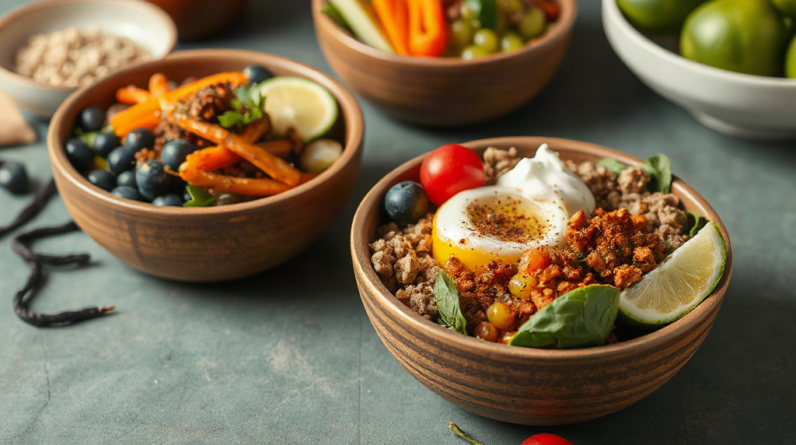
Whole foods are integral to healthy living, providing essential nutrients required for optimal body function. These include fruits, vegetables, whole grains, nuts, seeds, and lean proteins. Consuming a variety of these foods ensures that the body receives a broad spectrum of vitamins and minerals necessary for health.
Choosing whole foods over processed options can significantly impact health. Processed foods often contain high levels of sugars, unhealthy fats, and preservatives that can lead to chronic diseases. Prioritizing whole foods fosters better digestion, supports immune function, and enhances energy levels. A practical approach is to shop the perimeter of grocery stores, where fresh produce and whole foods are typically located.
Incorporating Physical Activity
Regular physical activity is a vital component of healthy living and nutrition, as it complements dietary choices and contributes to overall well-being. Engaging in at least 150 minutes of moderate aerobic exercise weekly can help maintain a healthy weight and reduce the risk of chronic diseases.
To effectively incorporate exercise into daily life, consider activities that you enjoy, such as walking, cycling, or dancing. Setting achievable goals and creating a consistent routine can help maintain motivation. Additionally, integrating strength training exercises two or more days a week can further enhance physical fitness and metabolic health.
Common Nutrition Mistakes
Many individuals make common mistakes that hinder their health goals. One such mistake is skipping meals, which can lead to overeating later in the day and poor food choices. Instead, aim for regular, balanced meals and healthy snacks to maintain energy levels and prevent hunger-driven decisions.
Another frequent error is failing to read food labels, which can result in consuming hidden sugars and unhealthy fats. Understanding food labels can empower individuals to make better choices. Being mindful of portion sizes is equally important, as larger portions can lead to excessive calorie intake, undermining health efforts.
Budget-Friendly Healthy Eating
Healthy eating does not have to be expensive. There are numerous strategies to maintain a nutritious diet on a budget. Buying seasonal produce, utilizing frozen fruits and vegetables, and planning meals around sales can significantly reduce food costs.
Additionally, preparing meals at home allows for greater control over ingredients and portion sizes. Batch cooking and meal prepping can save time and money while ensuring that healthy options are readily available. By prioritizing whole foods and minimizing processed items, individuals can enjoy nutritious meals without overspending.
Good Health Solution is Easier Than Most People Think!
Take a Look for Yourself!
Further Reading
Authoritative Sources
- NIH Office of Dietary Supplements
ods.od.nih.govEvidence-based information on vitamins, minerals, supplements, and nutrition-related questions
- USDA FoodData Central
fdc.nal.usda.govUSDA nutrient data for foods and ingredients used in nutrition decisions
- Harvard T.H. Chan School of Public Health Nutrition Source
hsph.harvard.eduPublic health nutrition guidance and educational resources
Frequently Asked Questions
What are the key components of healthy living?
The key components include a balanced diet rich in whole foods, regular physical activity, adequate hydration, and sufficient sleep.
How can I make healthy eating more affordable?
To make healthy eating affordable, buy seasonal produce, use frozen fruits and vegetables, and plan meals around sales.
What are common mistakes in nutrition?
Common mistakes include skipping meals, neglecting to read food labels, and consuming oversized portions.
How often should I exercise for optimal health?
Aim for at least 150 minutes of moderate aerobic activity each week, along with strength training at least twice a week.
What role does hydration play in nutrition?
Hydration is essential for bodily functions, metabolism, and overall health, influencing energy levels and digestion.
Conclusion
In summary, healthy living and nutrition are interconnected, emphasizing the importance of a balanced diet, regular physical activity, and mindful lifestyle choices. By prioritizing whole foods, staying active, and avoiding common pitfalls, individuals can significantly enhance their well-being. Take actionable steps today, such as meal planning and incorporating enjoyable physical activities, to pave the way for a healthier future.

Good Health Solution is Easier Than Most People Think!
Take a Look for Yourself!