


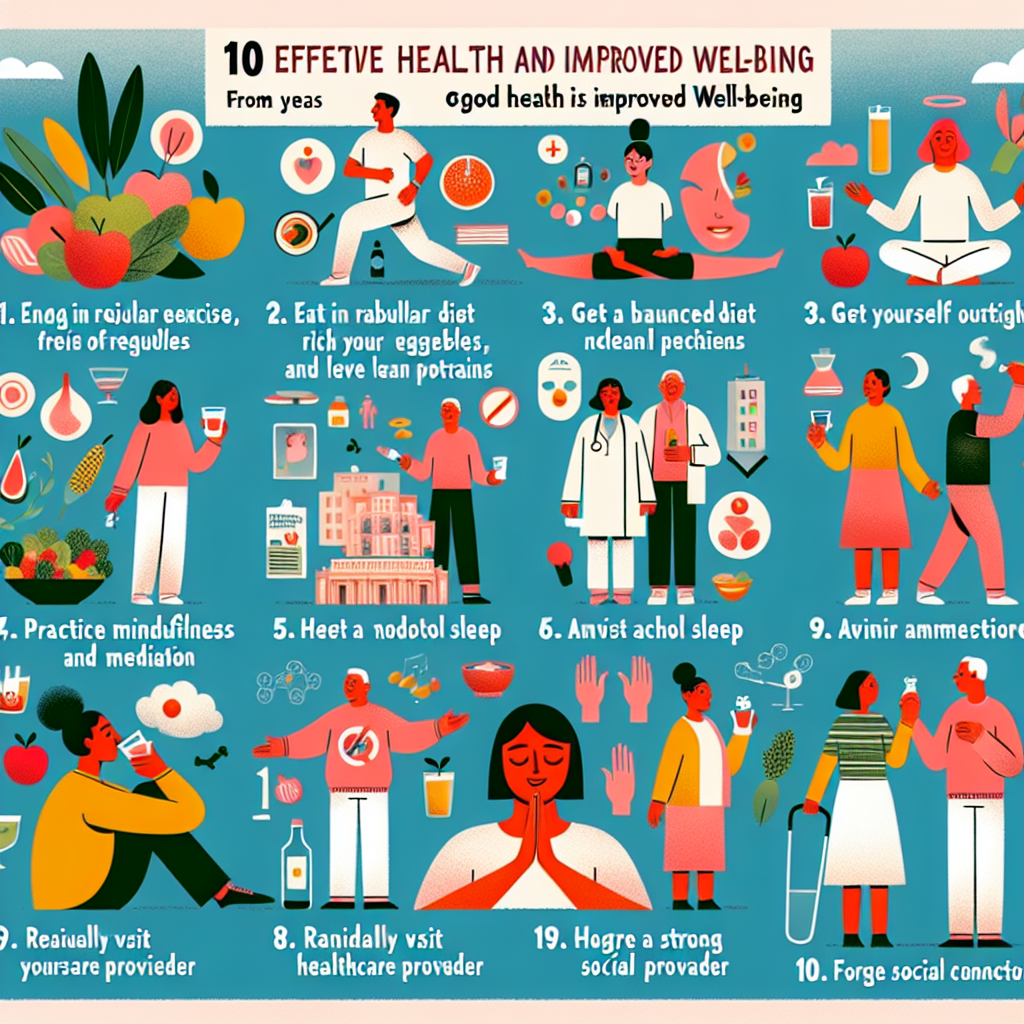
For example, fruits and vegetables are rich in fiber and antioxidants, which support digestion and help protect against chronic diseases. Whole grains provide energy and are an excellent source of B vitamins, while lean proteins are crucial for muscle repair and growth. Healthy fats, such as those from avocados and nuts, are vital for brain health and hormone regulation.
A major pitfall many encounter is the overconsumption of processed foods that are low in nutrients. These foods can lead to energy crashes and increased cravings, undermining physical health goals. It is essential to prioritize whole, unprocessed foods that provide true nourishment. Moreover, staying hydrated is equally important, as water plays a crucial role in maintaining bodily functions and overall health.
A major pitfall many encounter is the overconsumption of processed foods that are low in nutrients. These foods can lead to energy crashes and increased cravings, undermining physical health goals.
The Role of Fruits and Vegetables
Fruits and vegetables are foundational to a healthy diet, providing essential vitamins, minerals, and antioxidants. They are low in calories but high in nutrients, making them perfect for maintaining a healthy weight while ensuring nutrient adequacy.
To maximize benefits, aim for a colorful variety of produce. For instance, dark leafy greens are rich in iron and calcium, while berries offer high levels of antioxidants. Regularly consuming these foods can lower the risk of chronic diseases such as heart disease and diabetes.
Whole Grains: Energy and Nutrients
Whole grains are another critical component of foods that boost physical health. They provide complex carbohydrates, which are essential for sustained energy levels. Unlike refined grains, whole grains retain their bran and germ, which contain valuable nutrients and fiber.
Examples of whole grains include brown rice, quinoa, and oats. These grains not only support digestive health but also help regulate blood sugar levels. Incorporating whole grains into meals can enhance satiety and reduce the likelihood of overeating.
Lean Proteins and Their Benefits
Lean proteins are vital for muscle repair and growth, making them essential for anyone engaged in physical activity. Foods such as chicken, turkey, fish, beans, and legumes provide the building blocks our bodies need to maintain muscle mass.
Moreover, protein-rich foods can help increase feelings of fullness, which can aid in weight management. Ensuring adequate protein intake is particularly important for older adults, as muscle mass naturally declines with age.
Healthy Fats for Optimal Function
Healthy fats, such as those found in avocados, nuts, and olive oil, play a crucial role in overall health. They are important for brain function, hormone production, and the absorption of fat-soluble vitamins (A, D, E, and K).
Incorporating sources of healthy fats into your diet can reduce inflammation and lower the risk of chronic diseases. However, moderation is key, as fats are calorie-dense. Aim for a balanced intake to support optimal health.
Good Health Solution is Easier Than Most People Think!
Take a Look for Yourself!
Further Reading
Authoritative Sources
- NIH Office of Dietary Supplements
ods.od.nih.govEvidence-based information on vitamins, minerals, supplements, and nutrition-related questions
- USDA FoodData Central
fdc.nal.usda.govUSDA nutrient data for foods and ingredients used in nutrition decisions
- Harvard T.H. Chan School of Public Health Nutrition Source
hsph.harvard.eduPublic health nutrition guidance and educational resources
Frequently Asked Questions
What are the best foods to boost physical health?
The best foods include fruits, vegetables, whole grains, lean proteins, and healthy fats, all of which provide essential nutrients for optimal health.
How can I incorporate more fruits and vegetables into my diet?
Try adding fruits and vegetables to every meal, snacking on them throughout the day, or blending them into smoothies for easy consumption.
Are whole grains really that important?
Yes, whole grains provide essential nutrients and fiber, helping to regulate blood sugar and maintain energy levels throughout the day.
What types of lean proteins should I choose?
Opt for lean meats like chicken and turkey, fish, beans, and legumes to ensure adequate protein intake without excessive fat.
How much healthy fat should I include in my diet?
Healthy fats should be consumed in moderation, making up about 20-35% of your total daily calories, focusing on sources like avocados, nuts, and olive oil.
Conclusion
To enhance your physical health, prioritize a balanced diet rich in fruits, vegetables, whole grains, lean proteins, and healthy fats. These foods not only provide essential nutrients but also support overall bodily functions and can help prevent chronic diseases. Avoid processed foods that lack nutritional value and focus on whole, unprocessed options. By making informed dietary choices, you can significantly improve your physical health and wellbeing.

Good Health Solution is Easier Than Most People Think!
Take a Look for Yourself!





