
These two elements work synergistically to enhance energy levels, improve mood, and reduce the risk of chronic illnesses such as heart disease, diabetes, and obesity.
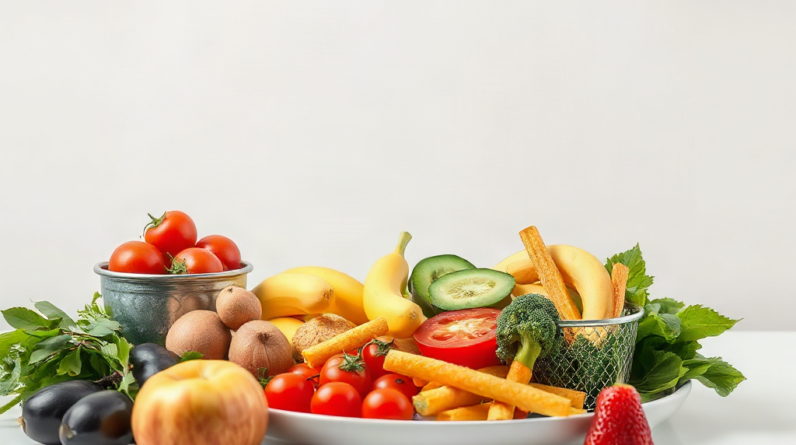
Healthy eating involves consuming a variety of foods that provide the nutrients your body needs to function optimally. Prioritizing whole foods such as fruits, vegetables, whole grains, lean proteins, and healthy fats is essential for maintaining energy levels and supporting bodily functions.
Understanding Healthy Eating
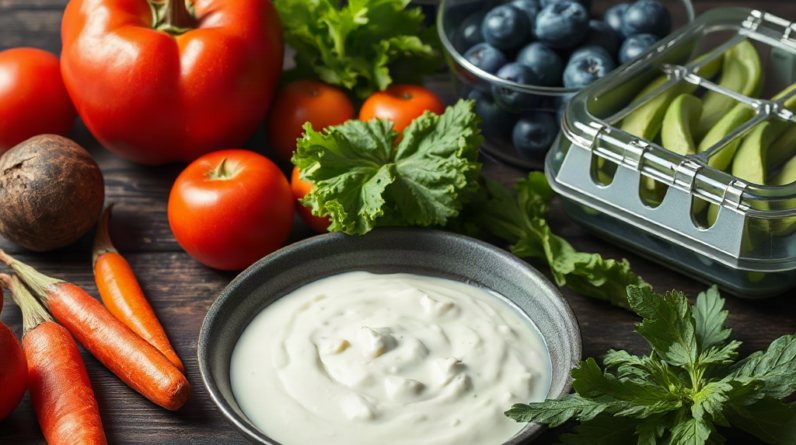
Healthy eating involves consuming a variety of foods that provide the nutrients your body needs to function optimally. This includes a balance of macronutrients—carbohydrates, proteins, and fats—as well as micronutrients like vitamins and minerals. Prioritizing whole foods such as fruits, vegetables, whole grains, lean proteins, and healthy fats is essential for maintaining energy levels and supporting bodily functions.
Incorporating a diverse range of foods helps ensure you receive adequate nutrients while minimizing the intake of processed foods high in sugar, sodium, and unhealthy fats. For instance, preparing meals at home using fresh ingredients allows for better control over nutritional content and portion sizes. Additionally, meal planning can assist in making healthier choices and avoiding impulsive eating.
The Importance of Exercise
Regular physical activity is integral to a healthy lifestyle, providing numerous benefits beyond weight management. Exercise improves cardiovascular health, strengthens muscles, enhances flexibility, and boosts mental health by reducing stress and anxiety. Engaging in a mix of aerobic exercises, such as running or cycling, along with strength training, is essential for achieving balanced fitness.
Moreover, consistency is key exercise. Establishing a routine that includes various activities can prevent boredom and promote adherence. Aim for at least 150 minutes of moderate aerobic activity or 75 minutes of vigorous activity each week, complemented by muscle-strengthening exercises on two or more days.
Combining Nutrition and Fitness
The most effective approach to achieving optimal health is to combine healthy eating with regular exercise. Proper nutrition fuels your workouts, enhances recovery, and supports muscle growth. For example, consuming a balanced meal or snack containing carbohydrates and protein before and after exercise can significantly improve performance and recovery.
Additionally, being mindful of hydration is crucial. Drinking enough water before, during, and after physical activity helps maintain performance and aids in recovery. Pay attention to your body’s signals and adjust your intake based on exercise intensity and duration.
Common Mistakes to Avoid
While striving for a healthier lifestyle, it’s easy to fall into common traps that can hinder progress. One prevalent mistake is relying too heavily on processed foods, which can lead to nutrient deficiencies and negatively affect energy levels. Additionally, some individuals may neglect strength training, focusing solely on cardio workouts, which can result in muscle loss and decreased metabolism over time.
Another pitfall is not allowing enough time for recovery. Adequate rest is essential for muscle repair and growth, so it’s important to incorporate rest days into your fitness routine and listen to your body’s signals. Lastly, setting unrealistic goals can lead to frustration and burnout; instead, aim for gradual, sustainable changes that promote long-term health.
Further Reading
Authoritative Sources
- ChooseMyPlate.gov
choosemyplate.govThis resource provides practical information on creating a balanced diet and understanding portion sizes Good Health Solution is Easier Than Most People Think! Take a Look for Yourself!
- CDC Physical Activity
cdc.govThe CDC offers guidelines and tips for incorporating physical activity into your daily routine
- Nutrition.gov
nutrition.govA comprehensive resource for nutrition information and tips from various government agencies
- American College of Sports Medicine
acsm.orgACSM provides research-based information on exercise science and its role in health
Frequently Asked Questions
What are the key components of healthy eating?
The key components of healthy eating include a variety of fruits and vegetables, whole grains, lean proteins, and healthy fats, ensuring a balanced intake of essential nutrients.
How often should I exercise for optimal health?
Aim for at least 150 minutes of moderate aerobic activity or 75 minutes of vigorous activity each week, alongside muscle-strengthening exercises on two or more days.
Can I lose weight by just exercising?
While exercise is important for weight loss, combining it with healthy eating is crucial for sustainable results and overall health.
What should I eat before and after workouts?
Consume a balanced meal or snack containing carbohydrates and protein before and after workouts to enhance performance and recovery.
How can I stay motivated to eat healthy and exercise?
Set realistic goals, track your progress, and find enjoyable activities to make healthy eating and exercise more engaging and sustainable.
Conclusion
Incorporating healthy eating and exercise into your daily routine is essential for achieving optimal health and well-being. Prioritize a balanced diet rich in whole foods while maintaining a consistent exercise regimen that includes both aerobic and strength-training activities. Be mindful of common pitfalls, such as relying on processed foods or neglecting recovery time, to ensure long-lasting results. By making these lifestyle changes, you can enhance your physical fitness, improve your mental clarity, and significantly reduce your risk of chronic diseases. Start small, stay consistent, and gradually build toward a healthier lifestyle.

Good Health Solution is Easier Than Most People Think!
Take a Look for Yourself!