However, prioritizing meal preparation can lead to healthier eating habits, better weight management, and improved energy levels. Mistakes often arise from underestimating portion sizes or failing to account for personal dietary needs, such as allergies or specific health conditions. By being mindful of these factors, you can create a meal plan that supports your health and lifestyle.
A healthy meal plan should include a variety of food groups to ensure nutritional adequacy. By being mindful of these factors, you can create a meal plan that supports your health and lifestyle.
Key Components of a Healthy Meal Plan
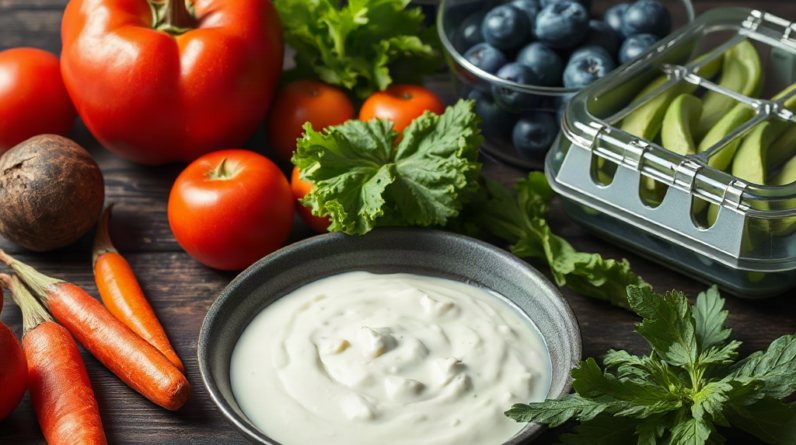
A healthy meal plan should include a variety of food groups to ensure nutritional adequacy. This means incorporating fruits, vegetables, whole grains, lean proteins, and healthy fats. Each group plays a crucial role in providing vitamins, minerals, and other nutrients necessary for optimal health. For instance, fruits and vegetables are rich in antioxidants, while whole grains provide fiber that aids in digestion.
Understanding the balance of macronutrients is essential when creating your meal plan. Aim for a plate divided into sections: half for fruits and vegetables, a quarter for lean proteins, and a quarter for whole grains. This simple visual can help prevent overconsumption of any one food group. Additionally, consider personal preferences and dietary restrictions to make the meal plan enjoyable and sustainable.
Steps to Creating Your Meal Plan
To successfully create a meal plan, start by assessing your dietary goals. Determine if you are aiming for weight loss, muscle gain, or maintenance, as this will influence your food choices and portion sizes. Next, set aside time each week to plan your meals. Consider using a calendar or a meal planning app to organize your ideas and grocery list.
When selecting recipes, focus on simple, healthy dishes that can be prepared in advance. Batch cooking can save time and ensure you have meals ready when needed. Additionally, keep a well-stocked pantry and refrigerator with healthy staples, which can make meal preparation easier. Remember to review and adjust your meal plan based on what works and what doesn’t, allowing for flexibility and variety.
Common Mistakes to Avoid
One of the most common mistakes in meal planning is failing to account for portion sizes. Overestimating the amount of food needed can lead to excess calorie intake and weight gain. To avoid this, use measuring cups or a food scale to ensure accurate portions. Another frequent error is neglecting to include a variety of foods, which can lead to boredom and decreased adherence to the meal plan.
Additionally, many people forget to consider their daily schedules when planning meals. A meal plan that does not align with your lifestyle can lead to frustration and non-compliance. Always factor in time constraints, cooking skills, and the availability of ingredients when designing your meals. Lastly, don’t hesitate to make adjustments based on feedback from your body; listen to your hunger cues and energy levels.
Further Reading
Authoritative Sources
- Whole Grains Council Grain Resources
wholegrainscouncil.orgPractical grain education covering whole grains, oats, milling context, and food-use guidance. Good Health Solution is Easier Than Most People Think! Take a Look for Yourself!
- USDA FoodData Central Grain Nutrition Data
fdc.nal.usda.govUSDA food composition data useful for oats, flour, meal, and grain-based nutrition references
- USDA Agricultural Research Service
ars.usda.govAgricultural research resources related to grains, crops, processing, and food quality
Frequently Asked Questions
What are the key components of a healthy meal plan?
A healthy meal plan should include a variety of food groups, focusing on fruits, vegetables, whole grains, lean proteins, and healthy fats.
How do I start creating a meal plan?
Begin by assessing your dietary goals, then set aside time each week to outline your meals and create a grocery list.
What common mistakes should I avoid in meal planning?
Avoid overestimating portion sizes, neglecting variety, and failing to consider your lifestyle when designing your meal plan.
How often should I review my meal plan?
Review your meal plan weekly to assess what works, make necessary adjustments, and incorporate new recipes or foods.
Can I meal prep for the entire week?
Yes, meal prepping for the entire week can save time and ensure you have healthy meals readily available, but be mindful of food safety and freshness.
Conclusion
Creating a healthy meal plan is a proactive step towards better nutrition and well-being. By focusing on key components, following structured steps, and avoiding common pitfalls, you can develop a meal plan that not only meets your dietary needs but also fits your lifestyle. Remember to remain flexible and adjust your plan based on your experiences and preferences, ensuring it remains enjoyable and sustainable in the long term.

Good Health Solution is Easier Than Most People Think!
Take a Look for Yourself!