Prioritizing portion control and mindful eating can further enhance the effectiveness of a healthy food guide. It is also important to stay hydrated and consider nutrient timing, especially around physical activities, to optimize energy levels and recovery.
Many people make the mistake of neglecting variety in their diets, which can lead to nutrient deficiencies over time. Incorporating a diverse range of foods not only ensures a broader spectrum of nutrients but also makes meals more enjoyable. Additionally, relying too heavily on convenience foods can undermine health efforts, making it essential to prioritize cooking at home.
Key Ingredients for a Healthy Diet
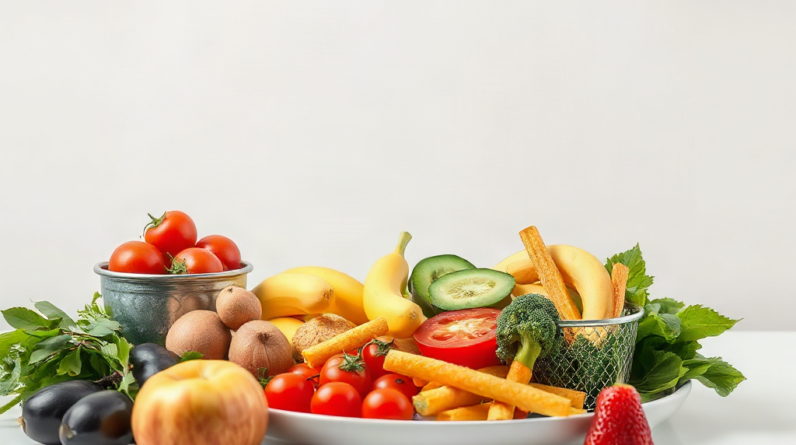
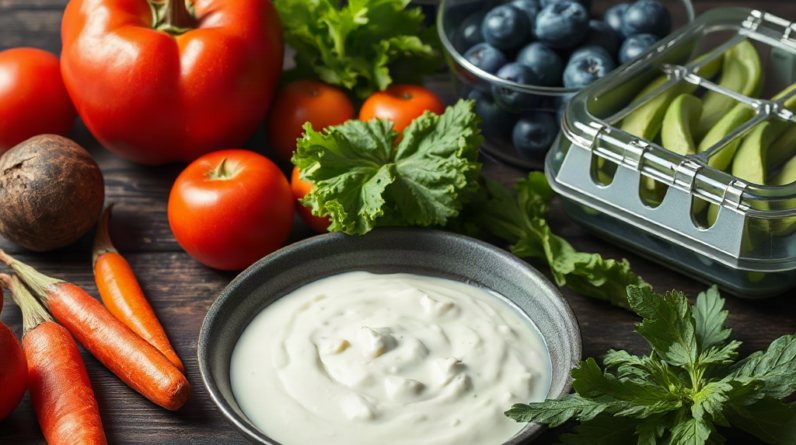
To establish a healthy lifestyle, it is vital to include specific ingredients in your daily meals. Whole foods, such as fresh fruits and vegetables, provide essential vitamins, minerals, and antioxidants that support immune function and overall health. Lean proteins like chicken, fish, beans, and legumes are critical for muscle repair and growth, while whole grains such as brown rice, quinoa, and oats provide sustained energy and fiber.
Incorporating healthy fats, such as those found in avocados, nuts, and olive oil, can also enhance nutrient absorption and promote heart health. Aim to create meals that combine these key ingredients to ensure a balanced intake of macronutrients and micronutrients. Regularly rotating different food items can help maintain interest in meals and support a well-rounded diet.
Meal Planning Strategies
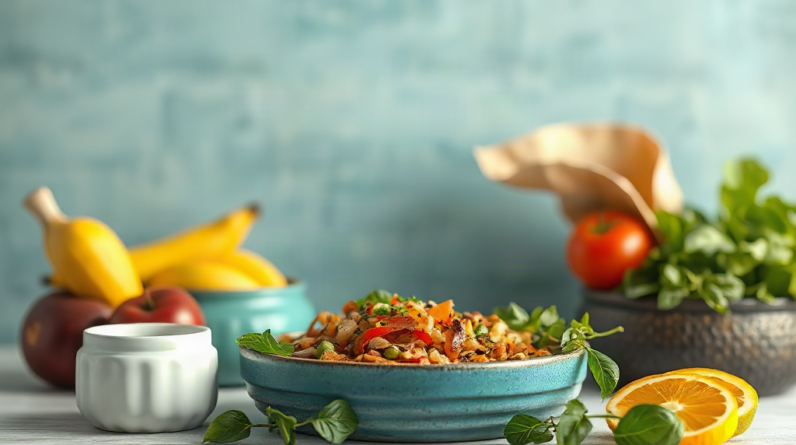
Effective meal planning is essential for maintaining a healthy lifestyle and ensures that you have nutritious options readily available. Start by setting aside time each week to plan your meals, focusing on incorporating a variety of ingredients and flavors. Consider preparing larger batches of meals to save time and reduce the temptation to opt for unhealthy convenience foods.
Additionally, make a shopping list based on your meal plan to avoid impulse purchases at the grocery store. Organizing your pantry and fridge can also help you keep track of what you have on hand, making it easier to create balanced meals. When planning meals, aim for a balance of macronutrients—carbohydrates, proteins, and fats—to support energy levels and overall health.
Common Mistakes to Avoid
When striving for a healthy lifestyle, individuals often fall into common pitfalls that can hinder their progress. One major mistake is skipping meals, which can lead to overeating later in the day or opting for unhealthy snacks. Instead, focus on regular, balanced meals and healthy snacks to maintain energy levels and prevent cravings.
Another common error is failing to read food labels, which can result in consuming hidden sugars and unhealthy fats. Always check the nutritional information and ingredient lists to make informed choices. Lastly, many people underestimate the importance of hydration; drinking enough water is crucial for digestion, energy levels, and overall health.
Further Reading
Authoritative Sources
- Whole Grains Council Grain Resources
wholegrainscouncil.orgPractical grain education covering whole grains, oats, milling context, and food-use guidance. Good Health Solution is Easier Than Most People Think! Take a Look for Yourself!
- USDA FoodData Central Grain Nutrition Data
fdc.nal.usda.govUSDA food composition data useful for oats, flour, meal, and grain-based nutrition references
- USDA Agricultural Research Service
ars.usda.govAgricultural research resources related to grains, crops, processing, and food quality
Frequently Asked Questions
What are some essential foods for a healthy lifestyle?
Essential foods include fruits, vegetables, whole grains, lean proteins, and healthy fats.
How can I effectively meal prep?
To meal prep effectively, plan your meals in advance, batch cook, and store portions in containers for easy access.
What common mistakes should I avoid when eating healthy?
Avoid skipping meals, neglecting hydration, and relying on processed foods.
How can I maintain variety in my diet?
Incorporate different fruits, vegetables, grains, and proteins into your meals, and try new recipes regularly.
Why is hydration important for a healthy lifestyle?
Hydration is crucial for digestion, energy levels, and overall health, aiding in nutrient absorption and physical performance.
Conclusion
In summary, a healthy lifestyle food guide emphasizes the importance of whole foods, balanced meal planning, and avoiding common dietary mistakes. By prioritizing nutrient-dense ingredients and maintaining variety, individuals can support their health and well-being effectively. Regular meal preparation and mindful eating practices will further enhance the ability to make healthy choices. As you embark on this journey, stay informed and adaptable to create a sustainable approach to nutrition that works for you.

Good Health Solution is Easier Than Most People Think!
Take a Look for Yourself!