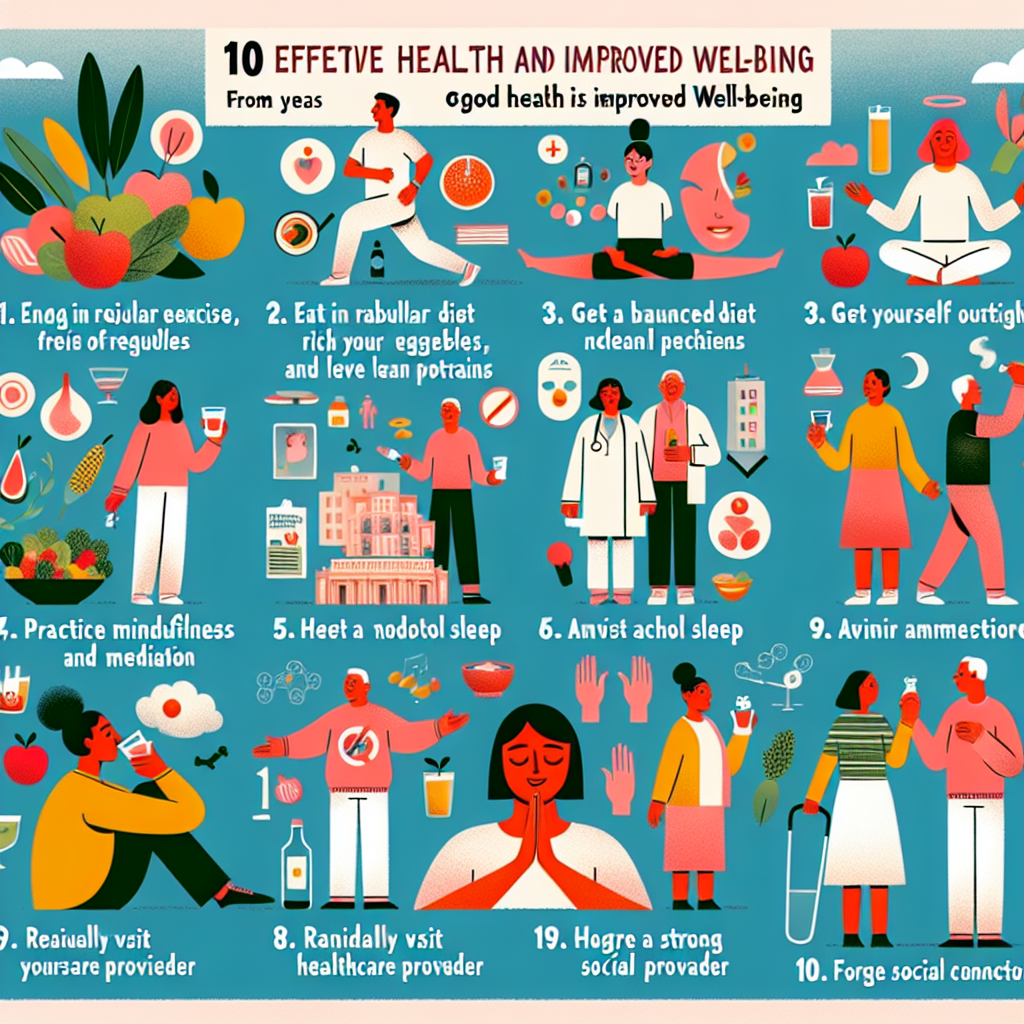
Prioritizing these factors can lead to long-term health benefits, including improved mood, increased energy, and reduced risk of chronic diseases.
Whole grains, fruits, vegetables, and proteins should be staples, while processed foods and sugars should be minimized. Additionally, staying active is crucial; aim for at least 150 minutes of moderate-intensity exercise weekly, which can include walking, cycling, or swimming. Remember, consistency is key.
Remember, Nutrition is foundational to a healthy lifestyle. Focus on incorporating a variety of food groups, including lean proteins, healthy fats, and a rainbow of fruits and vegetables.
The Importance of Nutrition in a Healthy Lifestyle
Nutrition is foundational to a healthy lifestyle. A balanced diet provides the body with essential nutrients needed for energy, growth, and overall health. Focus on incorporating a variety of food groups, including lean proteins, healthy fats, and a rainbow of fruits and vegetables. This diversity ensures you receive a wide range of vitamins and minerals.
Common pitfalls include relying heavily on processed foods or skipping meals, which can lead to nutrient deficiencies and energy dips. It’s essential to plan meals ahead and prepare healthy snacks to avoid unhealthy choices. Pay attention to portion sizes and listen to your body’s hunger signals to maintain a balanced intake.
Incorporating Physical Activity
Regular physical activity is crucial for maintaining a healthy lifestyle. Exercise helps manage weight, combats health conditions, and boosts mood by releasing endorphins. Aim for a mix of aerobic activities, strength training, and flexibility exercises to create a well-rounded fitness routine.
Consider integrating movement into your daily life by opting for stairs instead of elevators, walking or biking for short trips, or scheduling workout sessions with friends. Many people struggle with consistency; setting achievable goals and tracking progress can help maintain motivation. Remember, even small amounts of activity can make a difference.
Mental Health and Wellness
Mental health is a vital component of a healthy lifestyle. Stress management and emotional well-being should be prioritized alongside physical health. Techniques such as mindfulness, meditation, and regular social interactions can significantly enhance mental wellness.
Many individuals overlook the importance of mental health in their overall wellness journey. Incorporating relaxation practices into your daily routine, such as yoga or deep-breathing exercises, can help manage stress levels. Engaging in hobbies and maintaining social connections also provide emotional support, which is essential for mental health.
Common Mistakes to Avoid
Several common mistakes can hinder your journey to a healthy lifestyle. One significant error is neglecting the balance between physical and mental health. Another is failing to plan meals, which can lead to unhealthy eating choices when hunger strikes. Additionally, setting unrealistic goals can lead to frustration and burnout.
To avoid these pitfalls, focus on creating a balanced approach that includes both nutrition and physical activity while also prioritizing mental wellness. Set realistic, incremental goals to foster a sustainable lifestyle change. Regularly reassess your strategies and adjust them as needed to better fit your lifestyle and preferences.
Good Health Solution is Easier Than Most People Think!
Take a Look for Yourself!
Further Reading
Authoritative Sources
- NIH Office of Dietary Supplements
ods.od.nih.govEvidence-based information on vitamins, minerals, supplements, and nutrition-related questions
- USDA FoodData Central
fdc.nal.usda.govUSDA nutrient data for foods and ingredients used in nutrition decisions
- Harvard T.H. Chan School of Public Health Nutrition Source
hsph.harvard.eduPublic health nutrition guidance and educational resources
Frequently Asked Questions
What are the key components of a healthy lifestyle?
A healthy lifestyle includes balanced nutrition, regular physical activity, and mental well-being.
How can I stay motivated to maintain a healthy lifestyle?
Set realistic goals, track your progress, and find activities you enjoy to stay motivated.
What are some healthy eating habits?
Focus on whole foods, plan meals ahead, and listen to your body’s hunger signals.
How much exercise is recommended for a healthy lifestyle?
Aim for at least 150 minutes of moderate-intensity exercise each week.
Why is mental health important in a healthy lifestyle?
Mental health is crucial as it affects your overall well-being and can influence physical health.
Conclusion
In conclusion, living a healthy lifestyle requires a comprehensive approach that prioritizes nutrition, physical activity, and mental well-being. Focus on integrating whole foods into your diet, committing to regular exercise, and incorporating stress management techniques into your daily routine. Avoid common pitfalls by setting realistic goals and maintaining balance across all aspects of health. By making these conscious choices, you can enhance your overall quality of life and well-being.

Good Health Solution is Easier Than Most People Think!
Take a Look for Yourself!