Instead, try to plan meals around fresh, seasonal produce and whole ingredients. This approach not only supports better health but can also save money in the long run. Additionally, staying hydrated is crucial; drinking sufficient water throughout the day aids digestion and enhances overall bodily functions.
Instead, try to plan meals around fresh, seasonal produce and whole ingredients. This approach not only supports better health but can also save money in the long run.
Incorporating Fruits and Vegetables
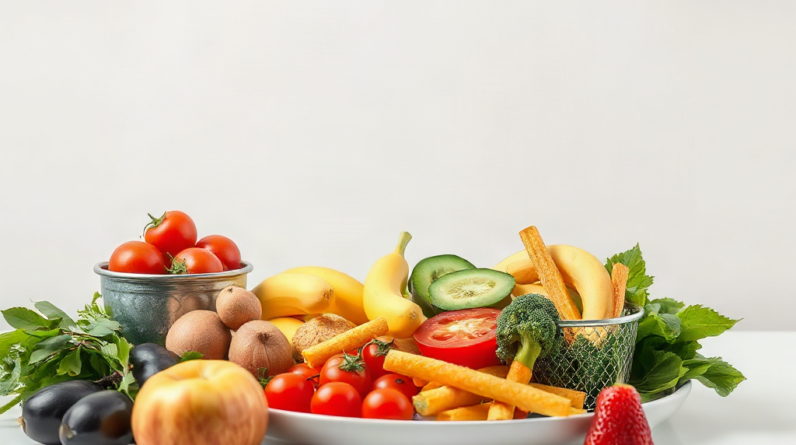
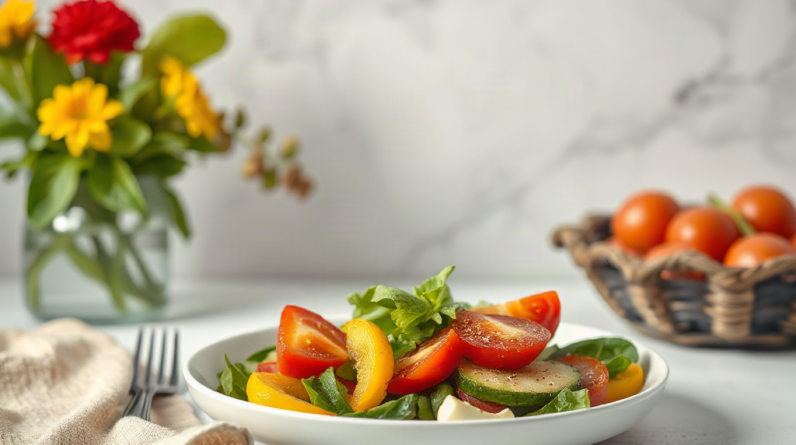
Including a wide variety of fruits and vegetables in your diet is essential for obtaining necessary vitamins and minerals. Aim for a colorful plate, as different colors often represent different nutrients. For instance, leafy greens are high in iron, while orange fruits and vegetables are rich in beta-carotene.
To make it easier to consume more fruits and vegetables, consider prepping them ahead of time. Wash and chop them into snack-sized pieces so they are readily available. This practice can greatly increase your intake and help you avoid reaching for unhealthy snacks.
Choosing Whole Grains
Whole grains are an excellent source of fiber, which is vital for digestive health. They also provide sustained energy, helping to keep blood sugar levels stable. Opt for whole grain bread, brown rice, and quinoa instead of refined grains.
When transitioning to whole grains, be mindful of the changes in texture and flavor. Start by mixing whole grains with your usual options to ease into the new taste and consistency. Over time, you can gradually increase the proportion of whole grains in your meals.
Importance of Lean Proteins
Lean proteins, such as chicken, turkey, fish, beans, and legumes, are crucial for muscle repair and overall body function. They are lower in fat compared to red meats, making them a healthier choice.
Consider incorporating a variety of protein sources into your diet to ensure a balanced intake of amino acids. This diversity can also help keep meals interesting and flavorful. For instance, trying different cooking methods, such as grilling or baking, can enhance the taste without adding unhealthy fats.
Healthy Cooking Methods
How you prepare your food can significantly impact its nutritional value. Opt for healthy cooking methods such as steaming, grilling, or baking instead of frying. These methods help retain nutrients while minimizing added fats.
Experiment with herbs and spices to add flavor without relying on salt or sugar. This not only enhances the taste but also boosts the health benefits of your meals. Remember, the goal is to make healthy eating enjoyable and sustainable.
Good Health Solution is Easier Than Most People Think!
Take a Look for Yourself!
Further Reading
Authoritative Sources
- NIH Office of Dietary Supplements
ods.od.nih.govEvidence-based information on vitamins, minerals, supplements, and nutrition-related questions
- USDA FoodData Central
fdc.nal.usda.govUSDA nutrient data for foods and ingredients used in nutrition decisions
- Harvard T.H. Chan School of Public Health Nutrition Source
hsph.harvard.eduPublic health nutrition guidance and educational resources
Frequently Asked Questions
What are some easy ways to add more fruits and vegetables to my diet?
Incorporate fruits and vegetables into your snacks, smoothies, and meals by keeping them prepped and accessible. For example, make a smoothie with spinach and berries or snack on carrot sticks with hummus.
How can I choose healthier cooking methods?
Focus on steaming, grilling, baking, or sautéing with minimal oil. These methods preserve nutrients and reduce unnecessary fats compared to frying.
What types of whole grains should I include in my diet?
Incorporate whole grains like brown rice, quinoa, oats, and whole wheat bread. They offer more fiber and nutrients than their refined counterparts.
Why is hydration important for wellness?
Staying hydrated supports digestion, nutrient absorption, and overall bodily functions. Aim to drink at least eight glasses of water daily, adjusting for activity level and climate.
What are some common pitfalls to avoid in healthy eating?
Avoid relying on processed foods, which can be high in sugars and unhealthy fats. Instead, prioritize whole, minimally processed foods to support better health outcomes.
Conclusion
Incorporating simple wellness food tips into your daily routine can significantly enhance your health. Focus on whole foods like fruits, vegetables, whole grains, and lean proteins while avoiding processed options. Remember to stay hydrated and experiment with healthy cooking methods to keep meals enjoyable. Prioritize these habits for lasting well-being and a vibrant lifestyle.

Good Health Solution is Easier Than Most People Think!
Take a Look for Yourself!