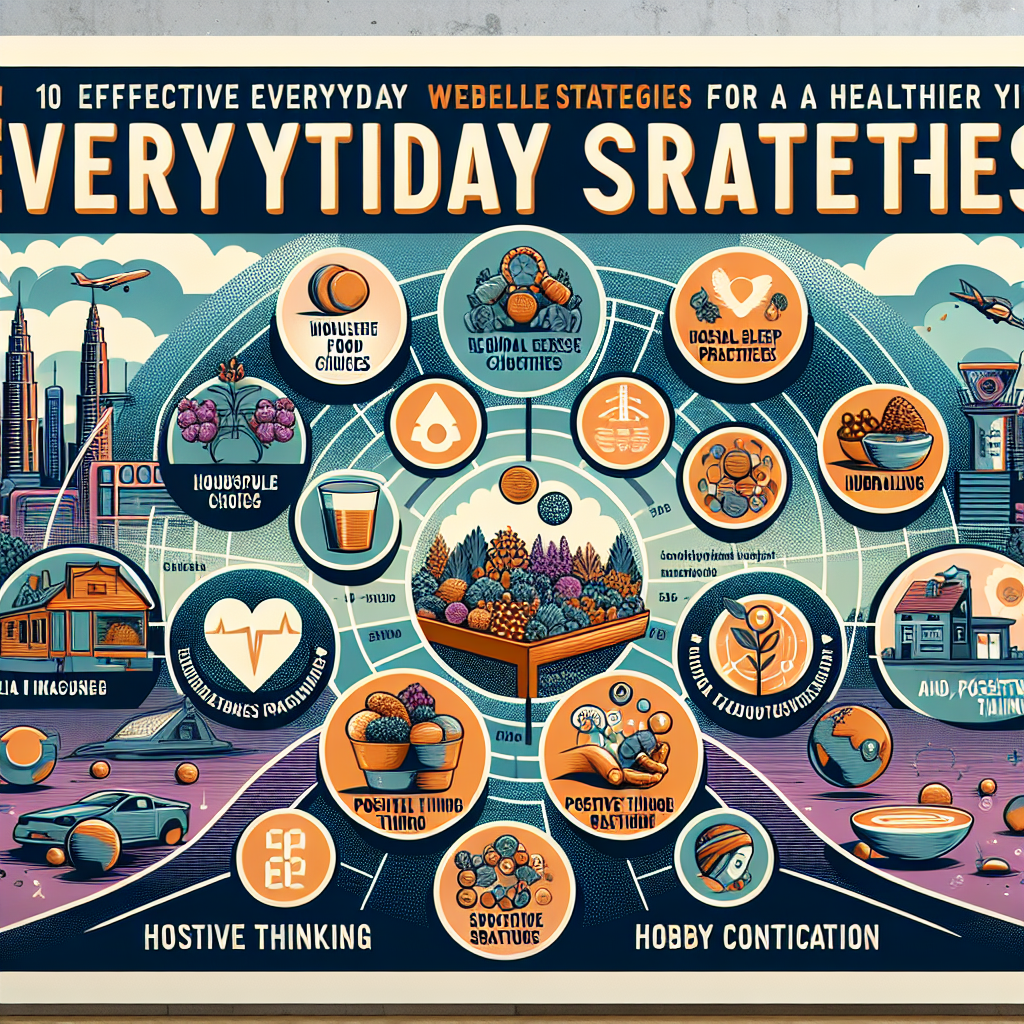
One common mistake people make is neglecting the importance of daily routines. Establishing a structured schedule can help ensure that you allocate time for physical activity, meal planning, and self-care. Additionally, understanding the trade-offs between convenience and health can influence your daily choices. For instance, while fast food may seem convenient, its long-term impact on health can be detrimental.
Moreover, many individuals overlook the significance of hydration and sleep in their wellness journey. Staying hydrated supports bodily functions and can enhance performance during workouts. Similarly, adequate sleep is vital for recovery and overall health. Prioritizing these elements alongside nutrition and exercise can lead to a more holistic approach to staying fit and healthy.
Nutritional Foundations for Fitness
Nutrition is the cornerstone of staying fit and healthy. A diet rich in whole foods provides the essential nutrients your body needs to function optimally. This includes whole grains, lean proteins, healthy fats, fruits, and vegetables. Prioritize foods that are minimally processed to ensure you are getting the most beneficial nutrients.
Understanding the role of macronutrients—carbohydrates, proteins, and fats—can help you create a balanced meal plan. For example, carbohydrates provide energy for workouts, while proteins are essential for muscle repair. Healthy fats support overall health and can aid in nutrient absorption. Make sure to balance these macronutrients according to your personal health goals, whether they involve weight loss, muscle gain, or maintenance.
One common pitfall is relying too heavily on supplements instead of whole foods. While supplements can be useful in certain situations, they should not replace a balanced diet. Focus on obtaining nutrients from a variety of sources to ensure you’re meeting your body’s needs effectively.
Effective Exercise Strategies
Regular physical activity is vital for maintaining fitness and overall health. Aim for a combination of aerobic exercises, strength training, and flexibility work. Aerobic exercises, such as running or cycling, improve cardiovascular health, while strength training builds muscle and enhances metabolism.
Creating a structured workout plan can keep you motivated and help track progress. Consider setting specific goals, such as increasing your running distance or lifting heavier weights. This approach not only challenges your body but also provides a sense of accomplishment.
However, it’s crucial to listen to your body and allow for adequate recovery time. Overtraining can lead to injuries and burnout, undermining your fitness efforts. Incorporate rest days into your routine and pay attention to signs of fatigue or discomfort.
Mental Wellness and Its Role
Mental wellness plays a significant role in physical health. Stress management techniques, such as mindfulness, meditation, or yoga, can enhance your overall well-being. These practices help reduce anxiety, improve focus, and promote a positive mindset, which is essential for maintaining motivation in your fitness journey.
Additionally, fostering a supportive social network can positively impact your mental health. Engage with friends, family, or fitness communities that encourage healthy habits. Sharing your goals and accomplishments can create accountability and enhance your commitment to staying fit and healthy.
Good Health Solution is Easier Than Most People Think!
Take a Look for Yourself!
It’s also important to recognize when to seek professional help. If you find yourself struggling with mental health issues, don’t hesitate to reach out to a therapist or counselor. Taking care of your mental health is just as crucial as physical fitness.
Common Pitfalls to Avoid
Many individuals encounter common pitfalls on their journey to fitness and health. One major mistake is setting unrealistic goals, which can lead to frustration and discouragement. Instead, focus on achievable, incremental changes that can lead to sustainable results.
Another common issue is underestimating the importance of meal planning. Without a plan, it’s easy to resort to unhealthy food choices, especially when time is tight. Take the time to prepare meals and snacks in advance to ensure that you have healthy options readily available.
Lastly, neglecting self-care can hinder your progress. Make time for activities that bring you joy and relaxation. Balance is key; incorporating both fitness and leisure into your life will help you maintain a healthier lifestyle.
Further Reading
For those interested in exploring more about nutrition and fitness, consider checking out reputable sources such as the USDA’s dietary guidelines or the CDC’s physical activity recommendations. These resources provide valuable insights into maintaining a healthy lifestyle.
Further Reading
Authoritative Sources
- MedlinePlus
medlineplus.govConsumer-friendly medical and health information from the U.S. National Library of Medicine.
- National Institutes of Health
nih.govResearch-based health information and links to authoritative medical resources.
- Centers for Disease Control and Prevention
cdc.govOfficial public health guidance, prevention resources, and topic-specific recommendations.
- Mayo Clinic
mayoclinic.orgTrusted clinical guidance, symptom explainers, and treatment overviews.
- World Health Organization
who.intGlobal health guidance, fact sheets, and evidence-based public health information.
Frequently Asked Questions
What are the best foods to eat for staying fit?
Focus on whole foods like fruits, vegetables, lean proteins, whole grains, and healthy fats. These provide essential nutrients and energy for your body.
How often should I exercise to stay fit?
Aim for at least 150 minutes of moderate aerobic activity each week, along with two days of strength training for optimal health.
Can I stay fit without going to the gym?
Yes, you can stay fit through home workouts, outdoor activities, and sports. Consistency and creativity in your routine are key.
What should I avoid while trying to stay healthy?
Avoid processed foods high in sugar, unhealthy fats, and excessive sodium. Additionally, limit sedentary behaviors.
How important is hydration in fitness?
Hydration is crucial for overall health and performance. Aim to drink enough water throughout the day, especially before, during, and after exercise.
Conclusion
In summary, staying fit and healthy requires a well-rounded approach that incorporates balanced nutrition, regular exercise, and mental wellness. Prioritize whole foods, develop consistent exercise habits, and pay attention to your mental health to achieve lasting results. Remember to set realistic goals, plan your meals, and avoid common pitfalls. By focusing on these areas, you can create a sustainable lifestyle that supports your health and fitness aspirations.

Good Health Solution is Easier Than Most People Think!
Take a Look for Yourself!