
Adopting a whole food healthy diet can lead to numerous health benefits, including better digestion, increased energy levels, and improved mental clarity. However, many people struggle with the transition due to convenience factors, lack of knowledge, or overwhelming choices. Understanding the principles behind this diet can help individuals make informed decisions that align with their health goals.
Common mistakes include misunderstanding what constitutes whole foods and confusing processed options with healthier alternatives. It’s essential to read labels carefully and focus on the ingredient list, aiming for items with fewer, more recognizable ingredients. Moreover, consider your personal dietary needs and preferences when implementing changes to your diet.
Understanding Whole Foods
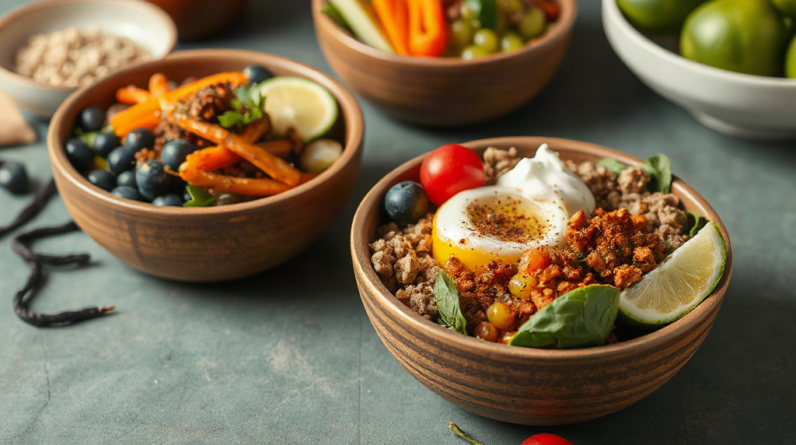
Whole foods are those that are in their natural state or have undergone minimal processing. These include fresh fruits and vegetables, whole grains, nuts, seeds, and legumes. Unlike processed foods, which often contain additives, preservatives, and artificial flavors, whole foods provide essential nutrients without unnecessary ingredients.
Recognizing the difference between whole and processed foods is crucial for making healthier choices. Many packaged items may advertise themselves as healthy but can still contain high levels of sugar, salt, and unhealthy fats. Focus on incorporating a variety of whole foods into your diet to ensure a balanced intake of nutrients.
Additionally, consider the environmental and ethical aspects of your food choices. Sourcing whole foods from local farmers or organic producers can enhance the quality of your diet while supporting sustainable practices. This approach not only benefits your health but also contributes positively to the community.
Benefits of a Whole Food Healthy Diet
A whole food healthy diet offers numerous benefits that extend beyond physical health. Consuming a variety of whole foods can lead to improved digestion, enhanced energy levels, and better mental clarity. These foods are naturally rich in vitamins, minerals, and antioxidants, which help combat inflammation and support overall well-being.
Moreover, a diet rich in whole foods can aid in weight management. Whole foods are generally lower in calories and higher in fiber, helping individuals feel fuller longer and reducing the likelihood of overeating. This can be particularly beneficial for those looking to maintain or lose weight.
It’s also important to note the psychological benefits of embracing a whole food healthy diet. Many people report feeling more energized and mentally sharp after making dietary changes. This improved mental clarity can lead to better decision-making and productivity in daily life.
Practical Steps for Transitioning
Transitioning to a whole food healthy diet doesn’t have to be overwhelming. Start by gradually incorporating more whole foods into your meals. Begin with simple swaps, such as choosing whole grain bread instead of white bread or snacking on fresh fruit instead of processed snacks.
Meal prepping can also be an effective strategy for ensuring you have healthy options readily available. Spend some time each week planning your meals and preparing ingredients in advance. This can help you avoid the temptation of convenience foods when you’re busy or tired.
Additionally, explore new recipes that highlight whole foods. There are countless resources available online that can inspire you to create delicious meals using whole ingredients. Experimenting with different flavors and cooking methods can make the process enjoyable and rewarding.
Good Health Solution is Easier Than Most People Think!
Take a Look for Yourself!
Common Pitfalls to Avoid
Despite the benefits, many people encounter challenges when adopting a whole food healthy diet. One common pitfall is the misconception that all processed foods are unhealthy. While it’s crucial to limit processed foods, some items, like frozen vegetables or canned beans, can still be part of a healthy diet.
Another mistake is becoming overly restrictive. A healthy diet should be sustainable and enjoyable. Allowing occasional treats can prevent feelings of deprivation and promote a healthier relationship with food. Balance is key to maintaining long-term dietary changes.
Finally, be wary of falling into the trap of marketing claims. Just because a product is labeled as “natural” or “organic” doesn’t mean it’s a whole food. Always check the ingredient list to ensure you’re making informed choices.
Further Reading
Authoritative Sources
- Eat Whole Foods
eatwholefoods.comThis resource provides a comprehensive overview of whole foods and their health benefits
- Choose My Plate
choosemyplate.govA government resource that offers guidance on creating balanced meals using whole foods
Frequently Asked Questions
What are whole foods?
Whole foods are natural foods that have not been processed or have undergone minimal processing, such as fruits, vegetables, whole grains, nuts, and seeds.
How does a whole food diet benefit health?
A whole food diet improves overall health by providing essential nutrients, aiding digestion, supporting weight management, and reducing the risk of chronic diseases.
Can I include some processed foods in a whole food diet?
Yes, some minimally processed foods like frozen vegetables or canned beans can be included in a whole food diet, but it’s important to check labels for added ingredients.
How can I start transitioning to a whole food diet?
Start by gradually incorporating whole foods into your meals, planning meals ahead, and experimenting with new recipes that feature whole ingredients.
What should I avoid when following a whole food diet?
Avoid overly restrictive eating habits, blindly trusting marketing claims, and neglecting to read ingredient labels on packaged foods.
Conclusion
Adopting a whole food healthy diet can significantly enhance your overall well-being and lower the risk of chronic diseases. By focusing on fresh, minimally processed foods, you can improve digestion, energy levels, and mental clarity. Start by making gradual changes, and remember to enjoy the process of discovering new recipes and flavors. Prioritize balance and sustainability in your diet to ensure long-term success, and stay informed about the food choices you make.

Good Health Solution is Easier Than Most People Think!
Take a Look for Yourself!