Many people mistakenly believe that eating better means only focusing on calorie reduction or following the latest diet trends. In reality, a more holistic approach encompasses understanding the nutritional value of foods, recognizing portion sizes, and developing a sustainable eating pattern that fits your lifestyle. By focusing on variety and quality, you can create meals that not only nourish your body but also satisfy your cravings.
One common mistake is the tendency to eliminate entire food groups in an effort to eat cleaner. This can lead to nutrient deficiencies and make it harder to stick to a healthy eating plan. Instead, aim for moderation and balance. Incorporating a diverse range of foods ensures that you receive essential nutrients while enjoying your meals.
Understanding Nutritional Balance
Nutritional balance is crucial for achieving a healthier diet. It involves consuming the right proportions of carbohydrates, proteins, and fats while ensuring that vitamins and minerals are included. A balanced diet not only supports physical health but also boosts mental well-being.
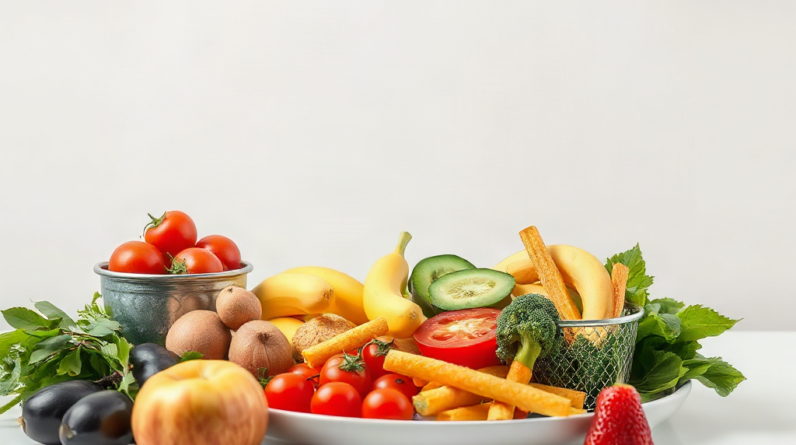
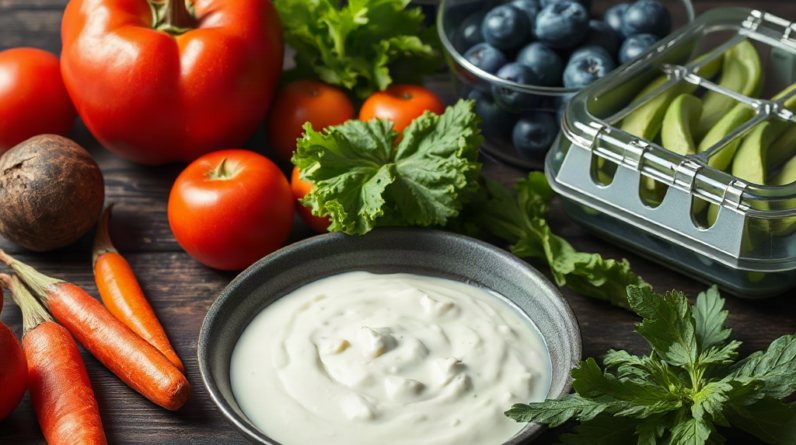
To maintain nutritional balance, prioritize whole foods that provide a range of nutrients. For instance, instead of relying solely on processed grains, opt for whole grains like quinoa or brown rice, which offer more fiber and essential nutrients. Additionally, incorporating a variety of colorful fruits and vegetables can enhance your intake of antioxidants and vitamins.
People often overlook the importance of healthy fats, assuming that all fats are detrimental. In reality, sources such as avocados, nuts, and olive oil provide essential fatty acids that support brain health and hormone regulation. Understanding which fats to include can significantly improve your overall eating habits.
Practical Steps to Improve Daily Eating Habits
Improving daily eating habits can be achieved through simple, actionable steps. Start by planning your meals for the week, which can help you make better food choices and avoid last-minute unhealthy options. Preparation is key; having healthy snacks on hand can prevent impulsive eating.
Incorporate more whole foods into your diet by gradually replacing processed items with fresher alternatives. For example, swap sugary breakfast cereals for oatmeal topped with fruit and nuts. This not only increases your nutrient intake but also keeps you fuller for longer.
Another effective method is mindful eating. This practice involves paying attention to your hunger cues and savoring each bite, which can lead to greater satisfaction and prevent overeating. Engaging fully with your meals without distractions can also enhance your overall eating experience.
Common Mistakes to Avoid
One major mistake people make when trying to eat better is the belief that all calories are equal. While calorie counting can be useful, it’s more important to focus on the quality of the calories consumed. Nutrient-dense foods provide more benefits than empty-calorie options, which can lead to weight gain and health issues.
Another pitfall is falling for fad diets that promise quick results. These often lack essential nutrients and can be difficult to maintain long-term. Instead, aim for gradual changes that lead to sustainable habits. This approach not only fosters a healthier relationship with food but also yields lasting results.
Finally, many individuals underestimate the impact of hydration on their eating habits. Sometimes, thirst can be mistaken for hunger, leading to unnecessary snacking. Drinking sufficient water throughout the day can help manage appetite and improve overall health.
Good Health Solution is Easier Than Most People Think!
Take a Look for Yourself!
Creating a Sustainable Meal Plan
A sustainable meal plan is essential for maintaining better eating habits over time. Start by assessing your dietary preferences and any restrictions you may have. This will help you create a plan that you can realistically follow.
Incorporate a variety of foods to ensure that you meet your nutritional needs. Aim for different protein sources, such as legumes, fish, and poultry, and mix up your vegetable choices to take advantage of seasonal produce. This not only enhances nutritional value but also keeps meals interesting.
Additionally, consider batch cooking or meal prepping to save time during busy weeks. Preparing meals in advance can eliminate the temptation to order takeout or choose less healthy options when you’re short on time. Focus on recipes that can be easily reheated or enjoyed cold to maximize convenience.
Further Reading
Authoritative Sources
- Choose My Plate
choosemyplate.govAn excellent resource for understanding food groups and creating balanced meals
- Academy of Nutrition and Dietetics
eatright.orgA comprehensive resource for nutritional advice and meal planning tips
- Nutrition.gov
nutrition.govProvides reliable information on nutrition and healthy eating from trusted government sources
Frequently Asked Questions
What are the best foods for eating better every day?
Focus on whole foods like fruits, vegetables, whole grains, lean proteins, and healthy fats for optimal nutrition.
How can I make healthier eating choices?
Plan meals ahead, choose fresh ingredients, and practice mindful eating to improve your food choices.
What common mistakes should I avoid when trying to eat better?
Avoid fad diets, calorie counting without regard for food quality, and neglecting hydration.
How can I create a sustainable meal plan?
Assess your dietary needs, incorporate variety, and consider meal prepping to maintain healthy eating habits.
Is it necessary to eliminate certain foods to eat better?
No, focus on moderation and balance rather than completely eliminating foods from your diet.
Conclusion
Eating better every day is achievable with a focus on nutritional balance, practical steps, and awareness of common mistakes. By prioritizing whole foods, planning meals, and avoiding extreme dietary restrictions, you can create a sustainable eating pattern that supports your health and well-being. Remember to stay flexible and make adjustments as needed, ensuring that your approach remains enjoyable and fitting for your lifestyle.

Good Health Solution is Easier Than Most People Think!
Take a Look for Yourself!