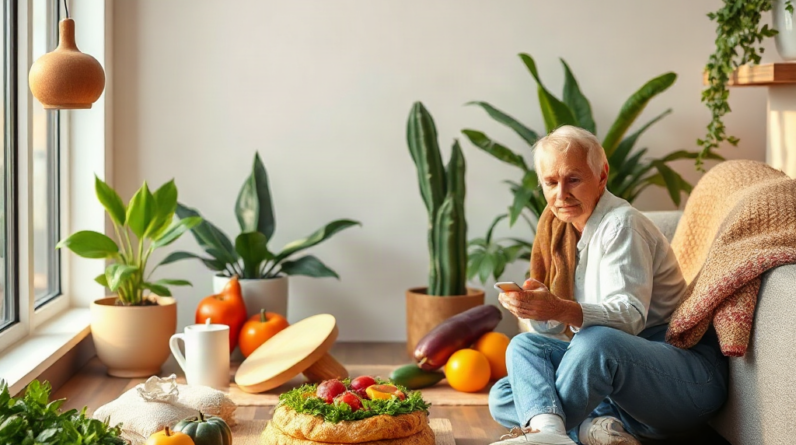

Many individuals are unaware of the various sources of toxins in their homes and daily routines. Household items such as conventional cleaners, pesticides, and even certain plastics can contribute to toxin accumulation. Moreover, food choices, particularly those involving processed items, can introduce harmful chemicals into the body. Understanding these sources is crucial for effective toxin reduction.
It is also essential to consider the cumulative effect of toxins over time. For example, while using a single cleaning product may not seem harmful, repeated exposure can lead to health issues. Therefore, adopting a holistic approach to reducing toxins—by integrating safer products and practices into daily life—is vital for long-term health.
Identify Common Toxins in Your Environment
Recognizing the common toxins in your environment is the first step towards reducing exposure. Common sources include household cleaners, pesticides, and even some building materials that may emit volatile organic compounds (VOCs). These substances can contribute to respiratory issues, allergies, and other health problems.
To effectively identify these toxins, conduct a thorough audit of your home. Check labels on cleaning supplies, personal care products, and food packaging for harmful ingredients. Many individuals overlook the significance of reading labels, which can lead to unintentional exposure to harmful substances.
Furthermore, be cautious about air quality in your home. Indoor air can be more polluted than outdoor air, often due to inadequate ventilation and the presence of synthetic materials. Regularly ventilating your space and using air purifiers can help mitigate these risks.
Natural Alternatives to Household Products
Switching to natural alternatives for household products can significantly reduce toxin exposure. Common cleaning agents often contain harsh chemicals that can be harmful to health. Instead, consider using vinegar, baking soda, and essential oils as effective cleaning solutions.
For example, a mixture of vinegar and water can serve as a powerful disinfectant, while baking soda can effectively remove odors and stains. Essential oils not only add pleasant fragrances but also possess antibacterial properties. By replacing conventional products with these natural alternatives, you can create a safer home environment.
Additionally, when transitioning to natural products, be mindful of potential allergens in essential oils. Some individuals may have sensitivities that could lead to adverse reactions. Always conduct a patch test or consult with a health professional if uncertain.
Food Choices That Minimize Toxin Intake
Your diet plays a crucial role in your overall toxin exposure. Processed foods often contain additives, preservatives, and pesticides that can introduce harmful substances into your body. Opting for organic produce can significantly reduce your exposure to these toxins.
Furthermore, incorporating a variety of whole foods, such as fruits, vegetables, whole grains, and lean proteins, can help support your body’s natural detoxification processes. Foods rich in antioxidants, like berries and leafy greens, can combat oxidative stress caused by toxins.
It’s also vital to be cautious about food packaging. Many plastics contain BPA or phthalates, which can leach into food and beverages. Using glass or stainless steel containers instead of plastic can help minimize this risk. Prioritizing food choices not only enhances health but also reduces the overall toxin burden.
Good Health Solution is Easier Than Most People Think!
Take a Look for Yourself!
Creating a Toxin-Free Living Space
Designing a toxin-free living space is integral to reducing exposure. Start by selecting non-toxic paints, furniture, and flooring materials. Many conventional products contain harmful chemicals that can off-gas into your home, contributing to indoor air pollution.
In addition, ensure proper ventilation throughout your home. Open windows regularly to allow fresh air circulation, and consider using plants that can improve air quality, such as spider plants or peace lilies. These natural air purifiers can absorb toxins and enhance the overall environment.
Lastly, be mindful of personal care products. Many lotions, shampoos, and cosmetics contain chemicals that can be absorbed through the skin. Choose products that are free from parabens, sulfates, and synthetic fragrances to further reduce toxin exposure.
Further Reading
Authoritative Sources
- EPA – Indoor Air Quality
epa.govThis resource provides valuable information on indoor air quality and how to reduce pollutants in your home
- CDC – Healthy Homes
cdc.govThe CDC offers insights into creating a healthier living space by addressing various environmental health issues
- Environmental Working Group
ewg.orgEWG provides resources for understanding toxic chemicals in consumer products and offers safer alternatives
Frequently Asked Questions
What are the main sources of toxins in the home?
Main sources include cleaning products, personal care items, pesticides, and building materials that may emit harmful chemicals.
How can I identify harmful chemicals in products?
Check labels for ingredients such as parabens, phthalates, and VOCs, and look for certifications indicating safer alternatives.
Are organic foods really worth the cost?
Yes, organic foods typically have lower pesticide residues, which can significantly reduce your overall toxin intake.
What are some easy changes to reduce toxin exposure?
Switch to natural cleaning products, use glass containers instead of plastic, and increase ventilation in your home.
Can indoor plants help reduce toxins?
Yes, certain indoor plants can purify the air by absorbing toxins and improving overall air quality.
Conclusion
Reducing toxin exposure is essential for maintaining long-term health and well-being. By identifying harmful sources in your environment, opting for natural alternatives, and making informed food choices, you can create a healthier living space. Prioritize these changes gradually, focusing on the most impactful areas first. Ultimately, small adjustments in daily habits can lead to significant improvements in your overall quality of life.

Good Health Solution is Easier Than Most People Think!
Take a Look for Yourself!